
Martina Muzi
Curator, designer
From Romanian land to our table
Agriculture is increasingly organised through data as well as land. Satellites, machinery and digital platforms measure soil, weather and production with growing precision, while introducing new forms of access and control. Farmers become mechanics and data managers within systems often owned and determined elsewhere.
Risk begins long before harvest. Farmers invest in seeds, fertiliser, fuel and equipment before a crop exists, carrying the uncertainty of weather and harvest while prices are set in distant markets. Access to storage, irrigation, legislation, processing and repair determine what farmers can continue producing, when they can sell, and where risk comes to rest.
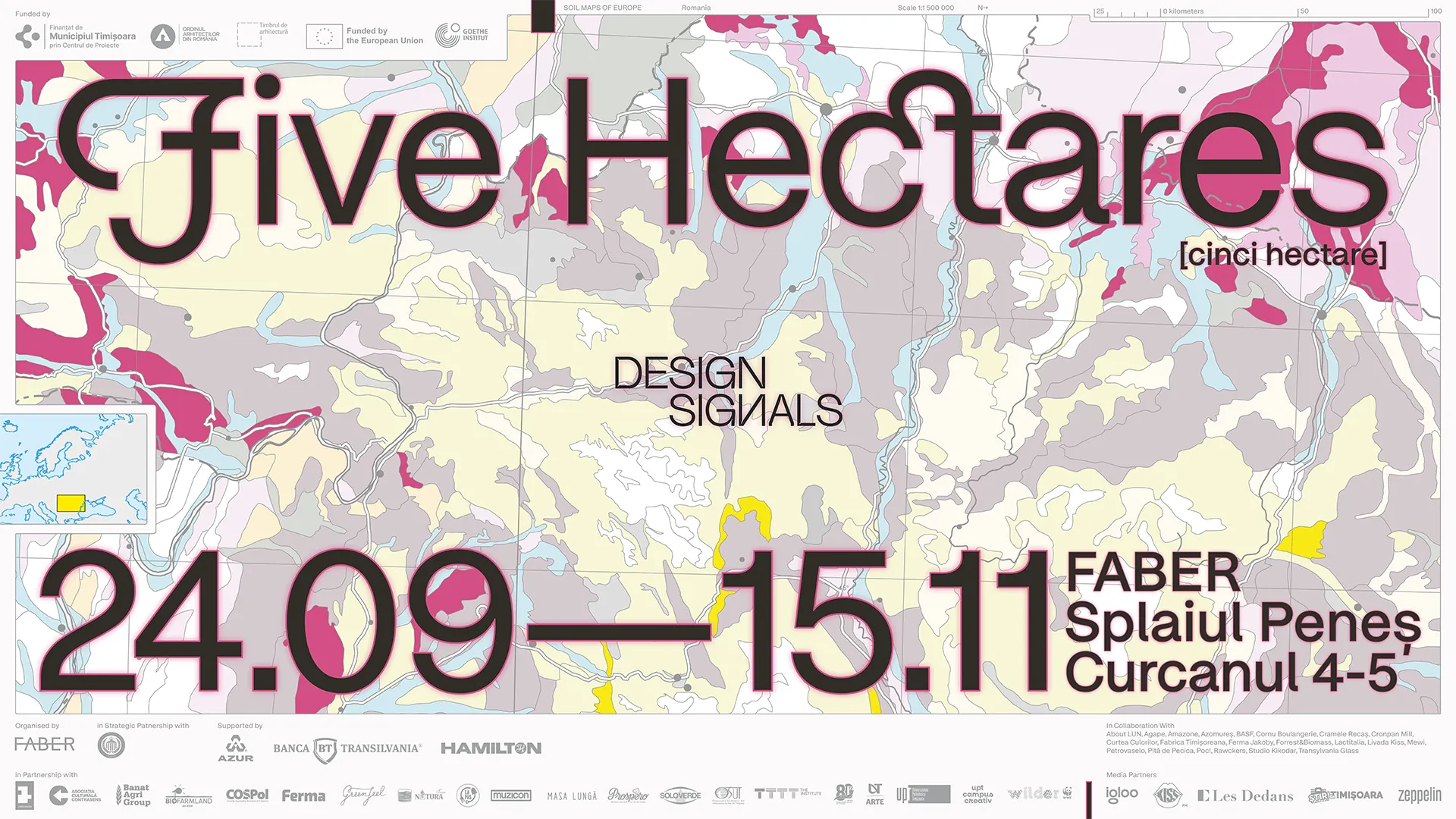
‘Five hectares’ marks a threshold for Romanian agriculture. According to the 2023 Farm Structure Survey, 90% of the country's 2.82 million agricultural holdings cultivate together only 22.9% of its agricultural land, occupying less than five hectares each. Holdings of 50 hectares or more represent just 1% of farms, but cultivate 53.1% of the land. Beginning in Timișoara and Banat, Five Hectares takes place within this highly polarised landscape, asking how design practices can render the connections between global regulatory systems and local cultivation of the land perceptible.
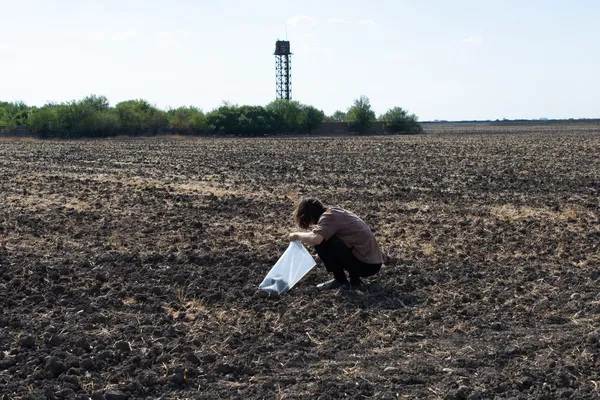
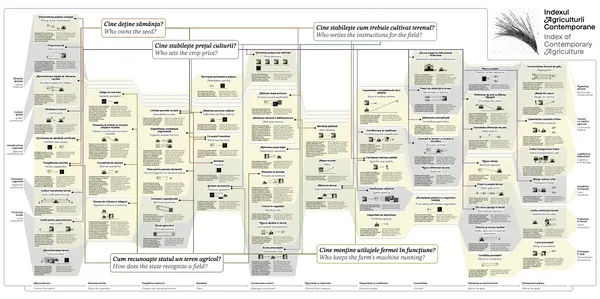
For this edition of Design Signals, sociologist Norbert Petrovici developed a report tracing Romania's agricultural economy, from grain production and digital farming to infrastructure, finance and international trade. The Design Signals team extended this research through visits to farms, factories, markets, bakeries, orchards and research institutions, gathering interviews, photographs, documents and samples. Presented as micro-narratives, these materials trace agri-food values across processes, places and time, bringing scientific knowledge into dialogue with situated expertise.
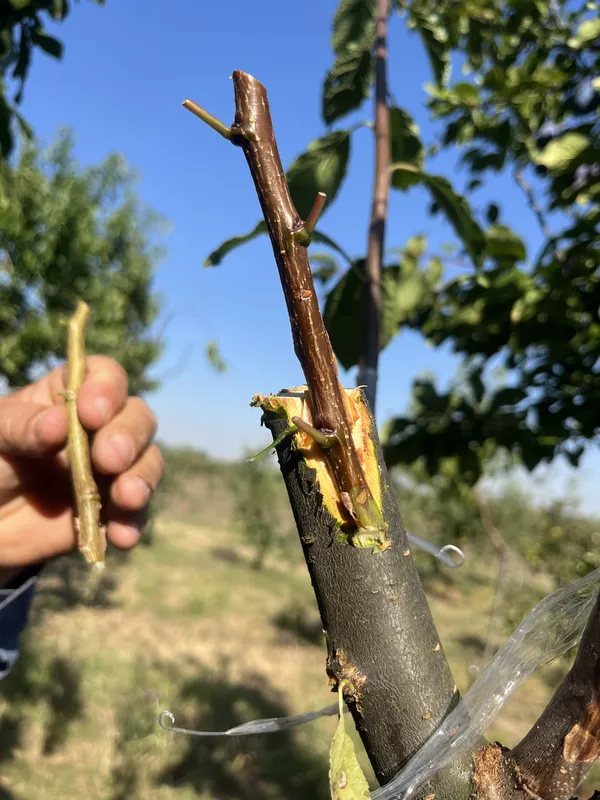
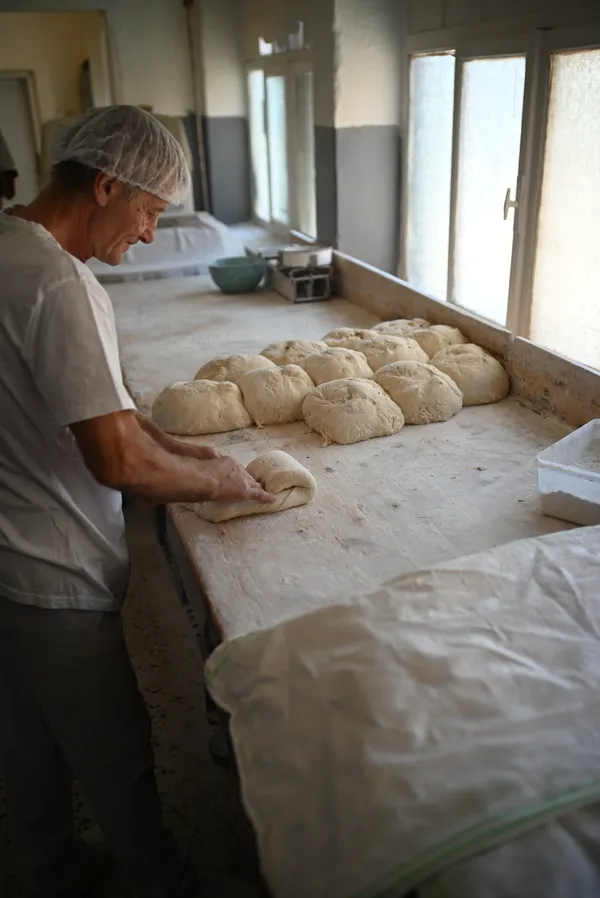
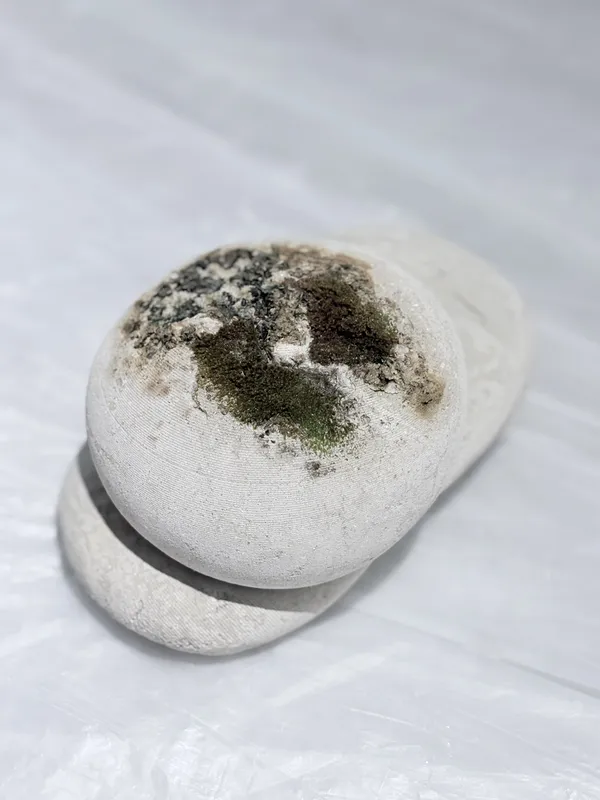
Commissioned designers focus their work on everyday local practices at the centre or at the margins of the region's agri-food cultures. They approach this landscape and its yearly cycles through bread, cheese, plums, moss, soil, seeds, recipes and tools. Their projects connect industrial systems with knowledge carried through bakers' judgement, shepherds' gestures, grafting techniques, water management and endangered living soil. Young Matters contributes student proposals for urban agriculture, while Zoom In examines machinery, irrigation and fertiliser through three video essays.
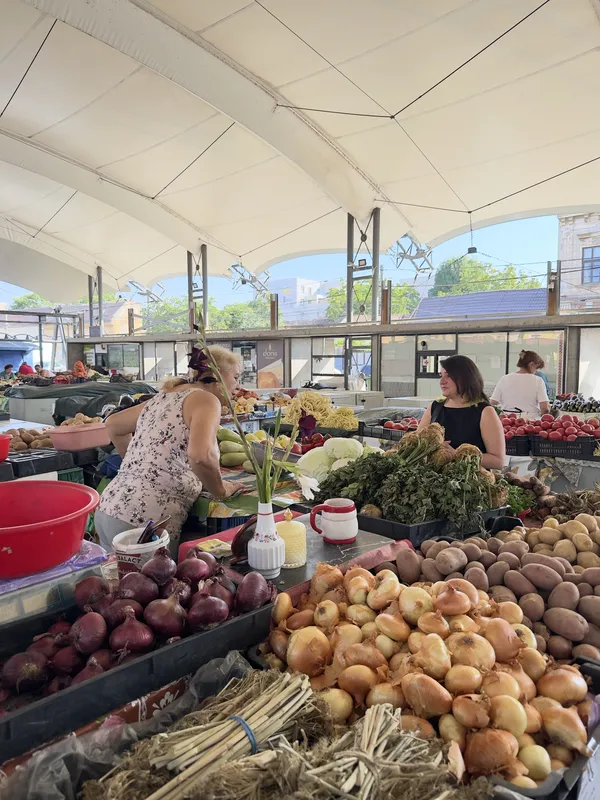
The exhibition takes the form of a market, extending its familiar function from selling to informing. Data representations and material samples from agri-food industrial production are organised through a spatial structure composed of metal tubes. The physical lines cross walls, assemble displays and connect stories, allowing relationships to unfold across the space. Familiar products offer entry points into the less visible roles that data, regulation, climate and logistics play between the fields of Banat and our table.
Five Hectares does not attempt to explain agriculture as a whole, or to offer solutions to its systemic pressures. It brings different forms of knowledge into contact, making distant structures tangible while recognising the pressures the industry and those who work within it are under. Design is used to make tangible how land, labour, technology and living processes depend on one another — and where those relationships might have been, and might yet be, reconsidered.