
What one tree carries into another
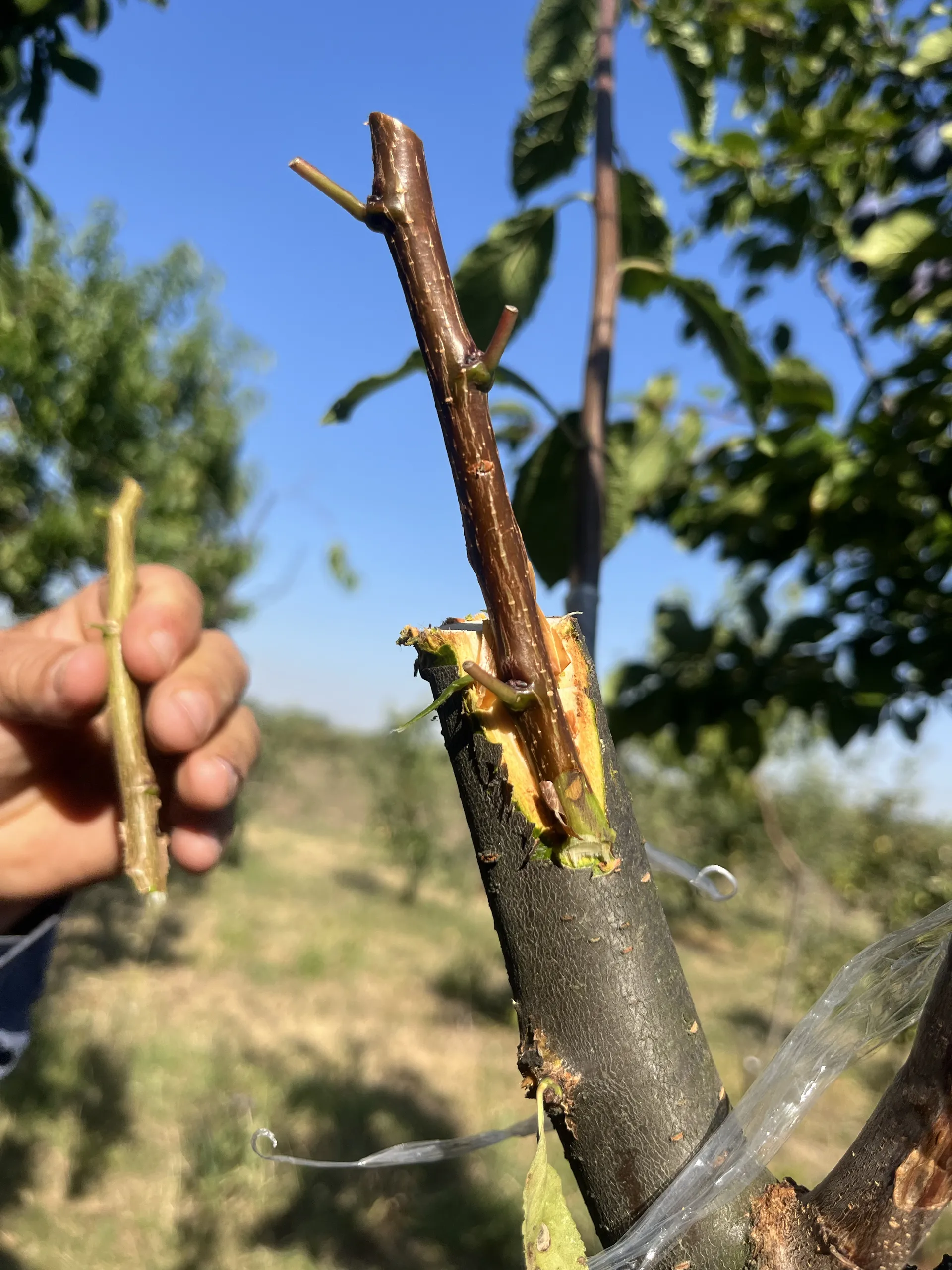
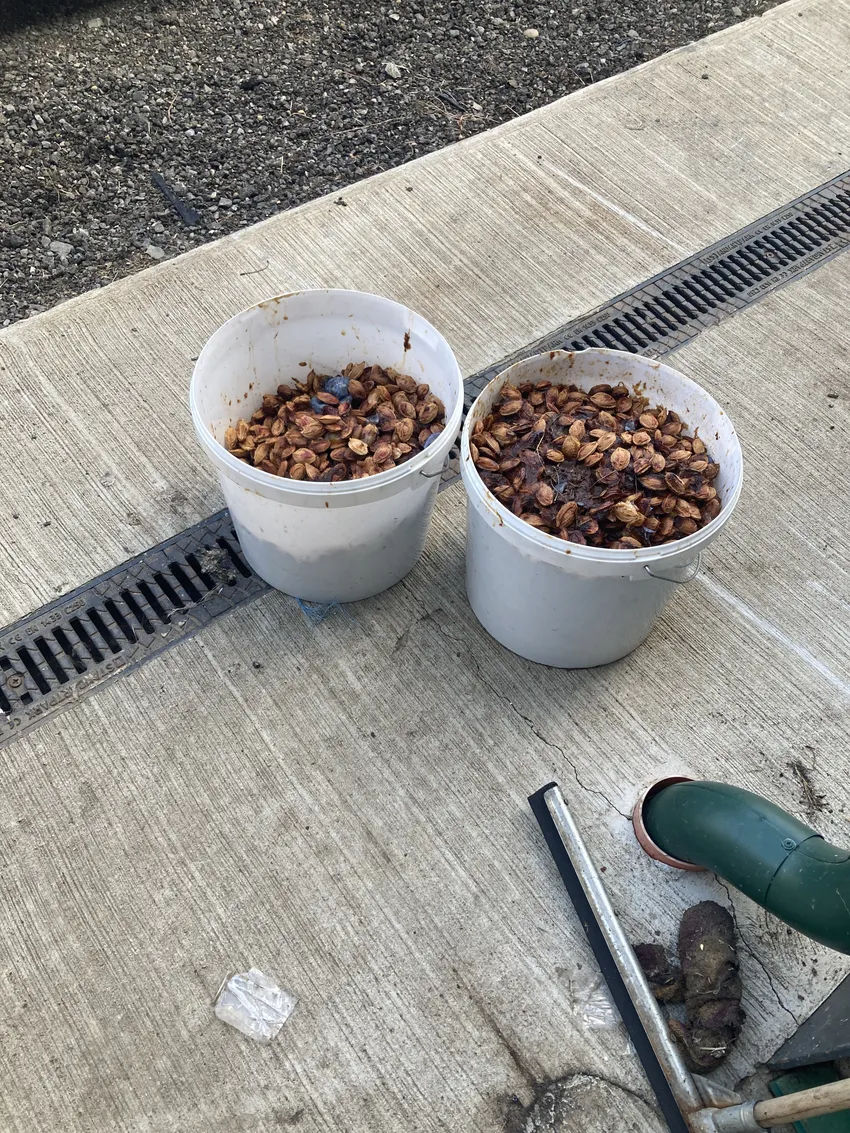
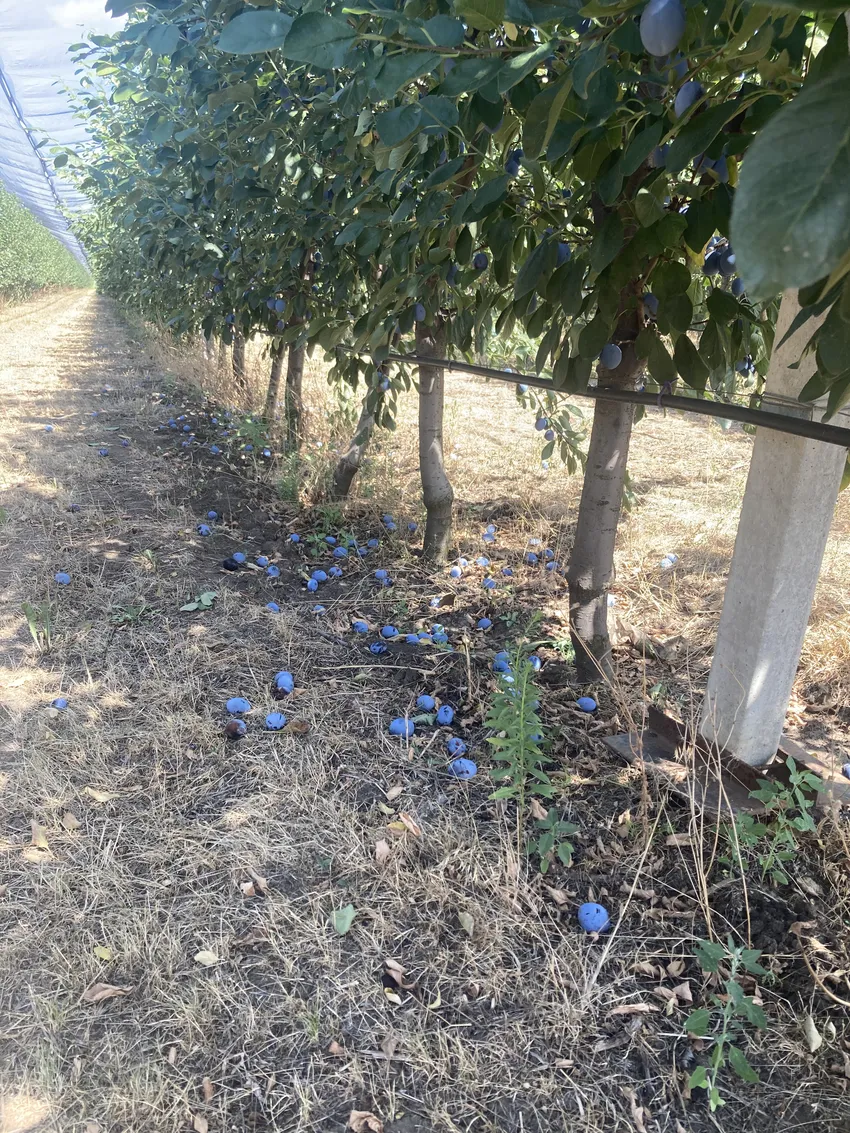
Himera examines how grafting has shaped plum cultivation in Banat. One of Romania’s most significant fruit crops, the plum is closely connected to local landscapes, economies and food traditions, including țuică, a plum brandy, and magiun, a thick plum preserve.
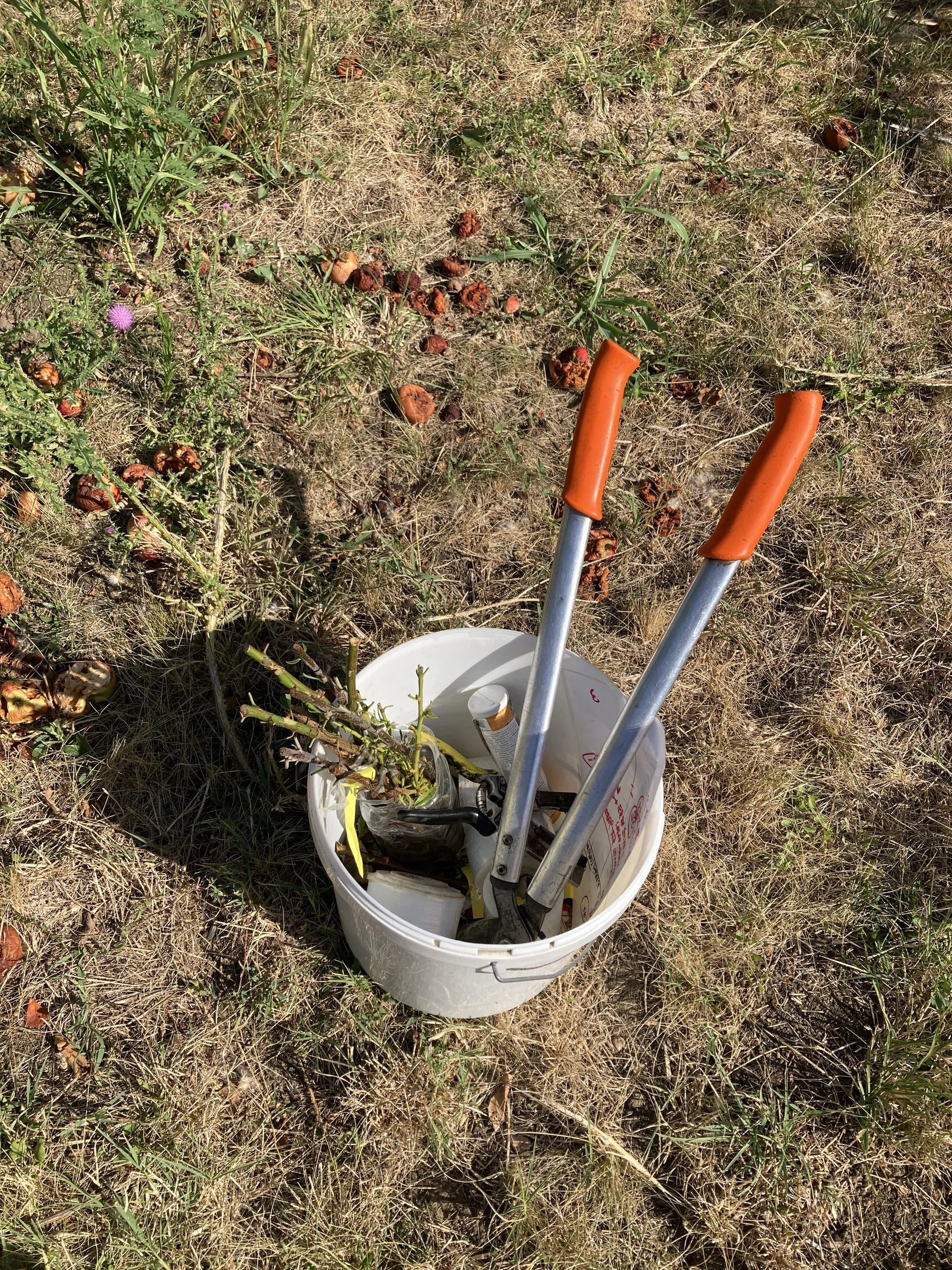
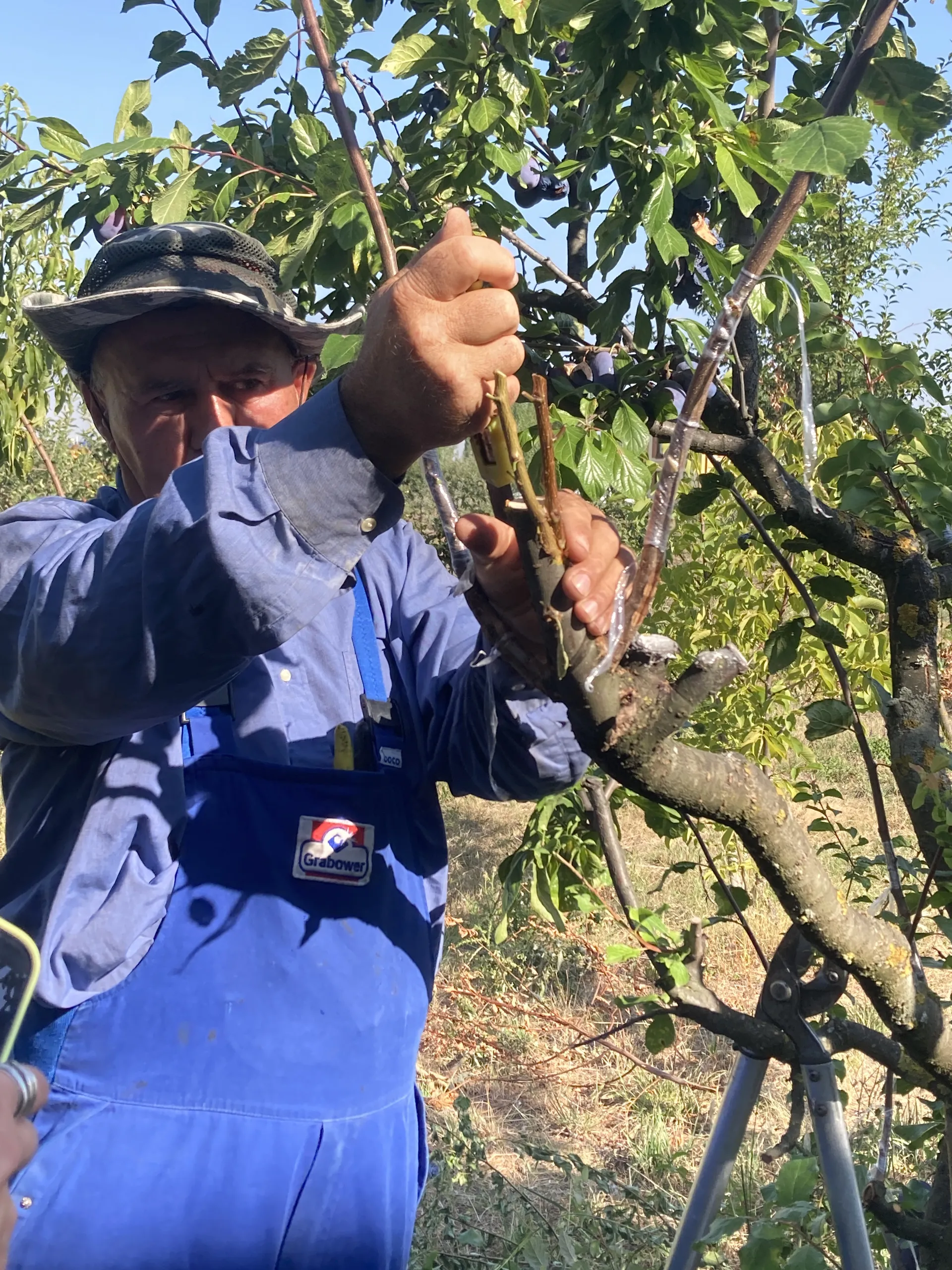
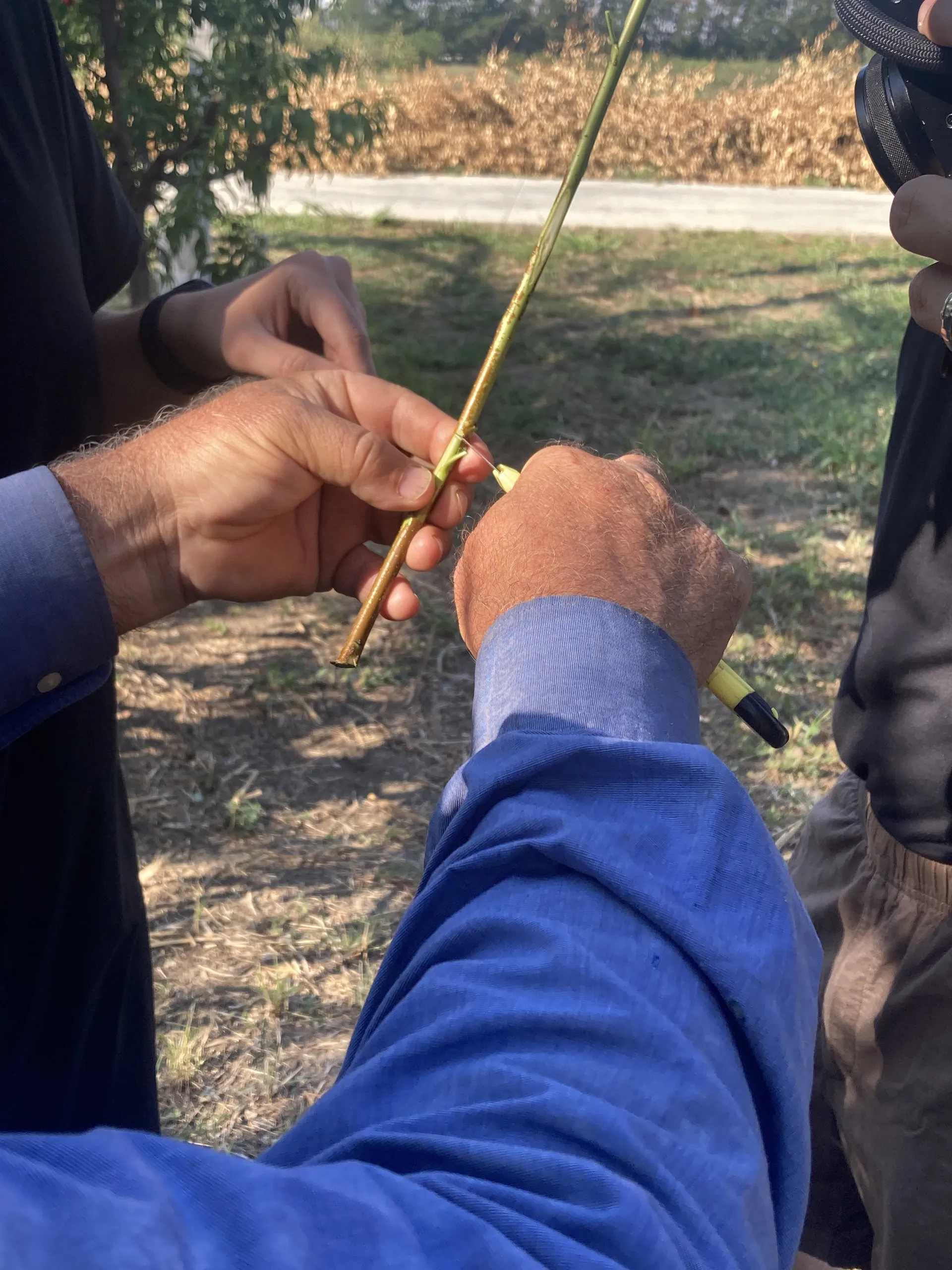
The work translates the techniques, gestures and material knowledge of grafting into object-making, constructing a series of tableware. Each incorporates scions taken from local plum trees, drawing on different grafting methods. Through repeated acts of cutting, joining and binding, Studio Noff examines how plant characteristics are selected, preserved and reproduced, bringing agricultural craft into dialogue with design.
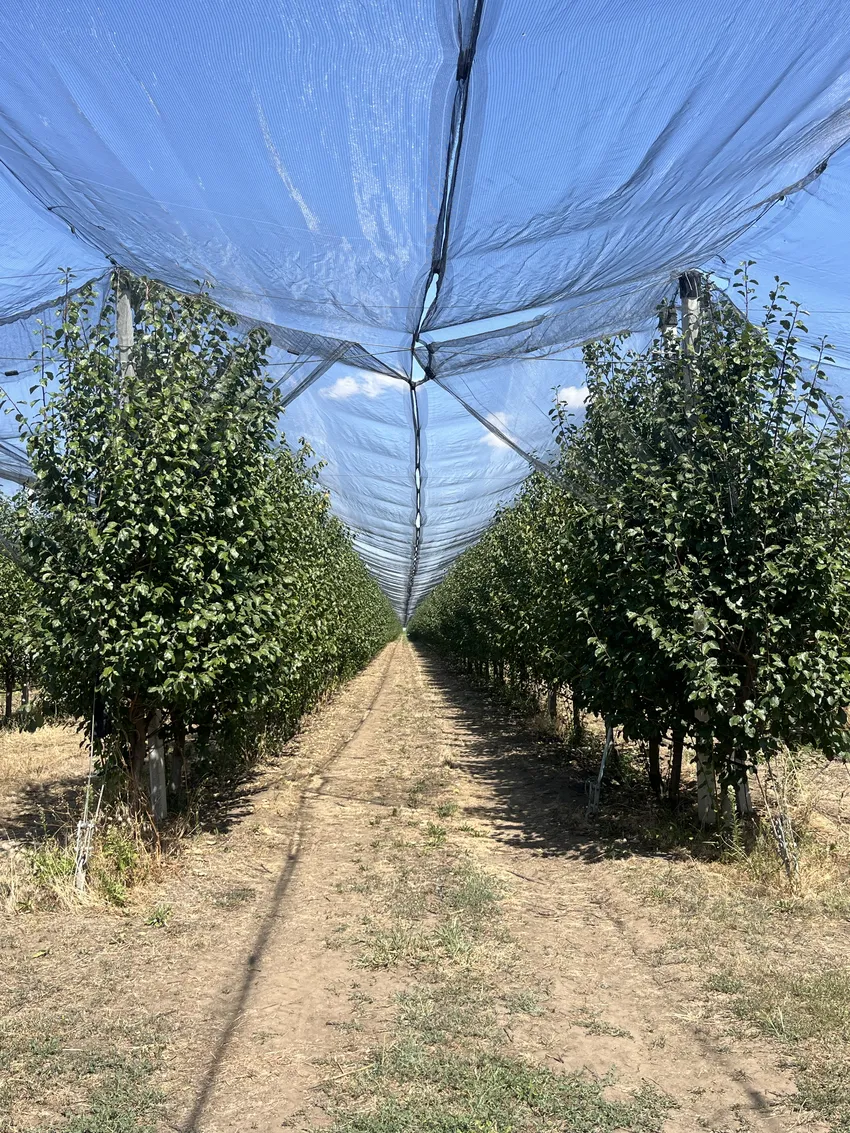
Grafting joins a scion from one tree to a rootstock of another, retaining qualities such as taste, size and colour while introducing resilience, disease resistance or adaptability. In Banat, this technique has preserved traditional varieties that might otherwise have disappeared. It also supports industrial cultivation, where fewer varieties are selected for uniform fruit and predictable yields, potentially reducing genetic diversity and creating new dependencies.
The project gives physical form to this tension between preservation and standardisation, while foregrounding grafting as a craft shaped by care, manual skill, seasonal rhythms and close knowledge of local ecological conditions.
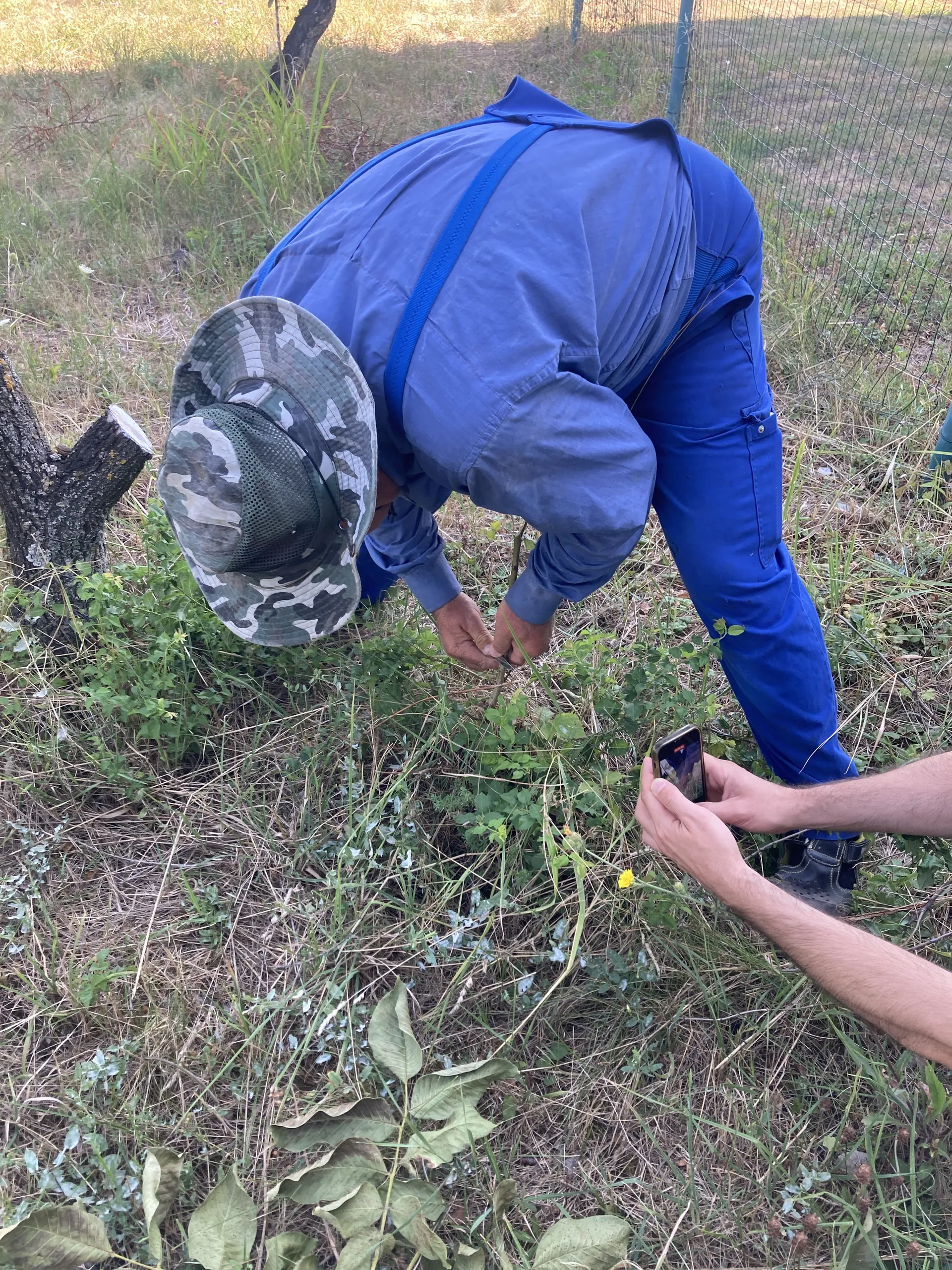
Research collaborators: Teodor Matiș, Kiss Orchard, Dr Ing Mădălina Butac, LUN Studio
Ceramic production: Marlies Crooijmans
CNC milling: Handcrafted by Chiuzbi
Locations: Kiss Orchard, Universitatea de Științele Vieții “Regele Mihai I” din Timișoara (USVT)