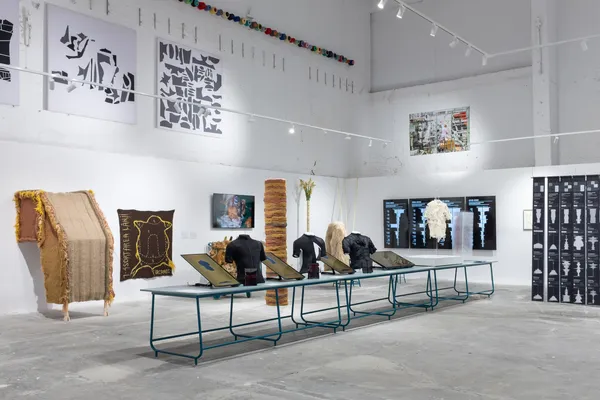
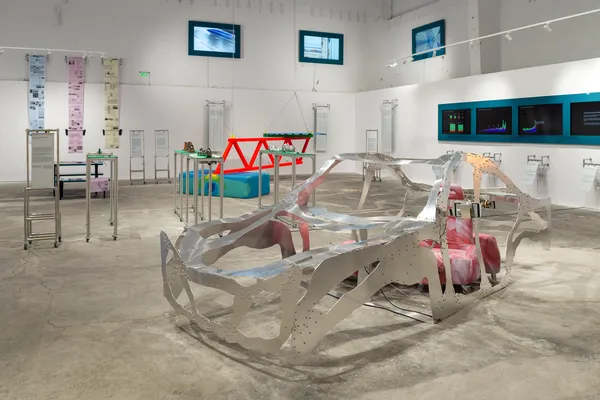
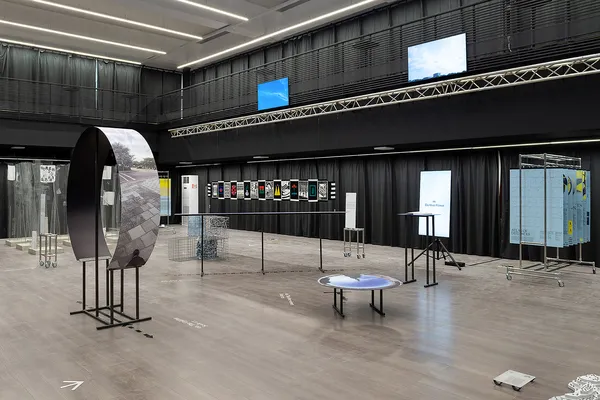
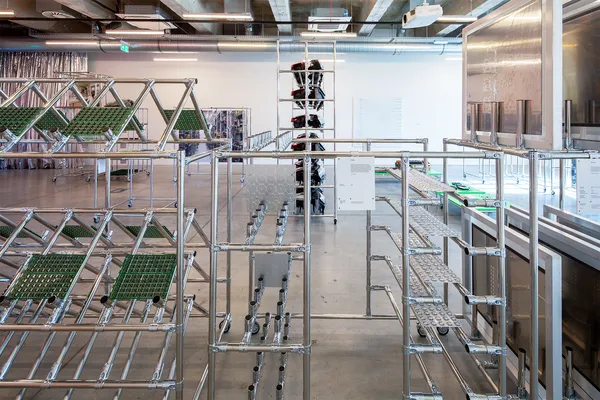
Since Romania’s accession to the European Union, the textile industry has experienced significant changes. Historically, large state-owned factories were central to Timișoara’s economy and community life, shaping entire neighbourhoods and livelihoods. However, with increased EU-wide competition, mass production has declined. Today, while the industry is less visible, it is far from obsolete. Smaller, more flexible manufacturing systems have emerged, deeply interconnected with sectors such as automotive, chemicals, and agriculture. Textiles are no longer limited to traditional apparel or home categories but are now integral to more complex products and export chains.