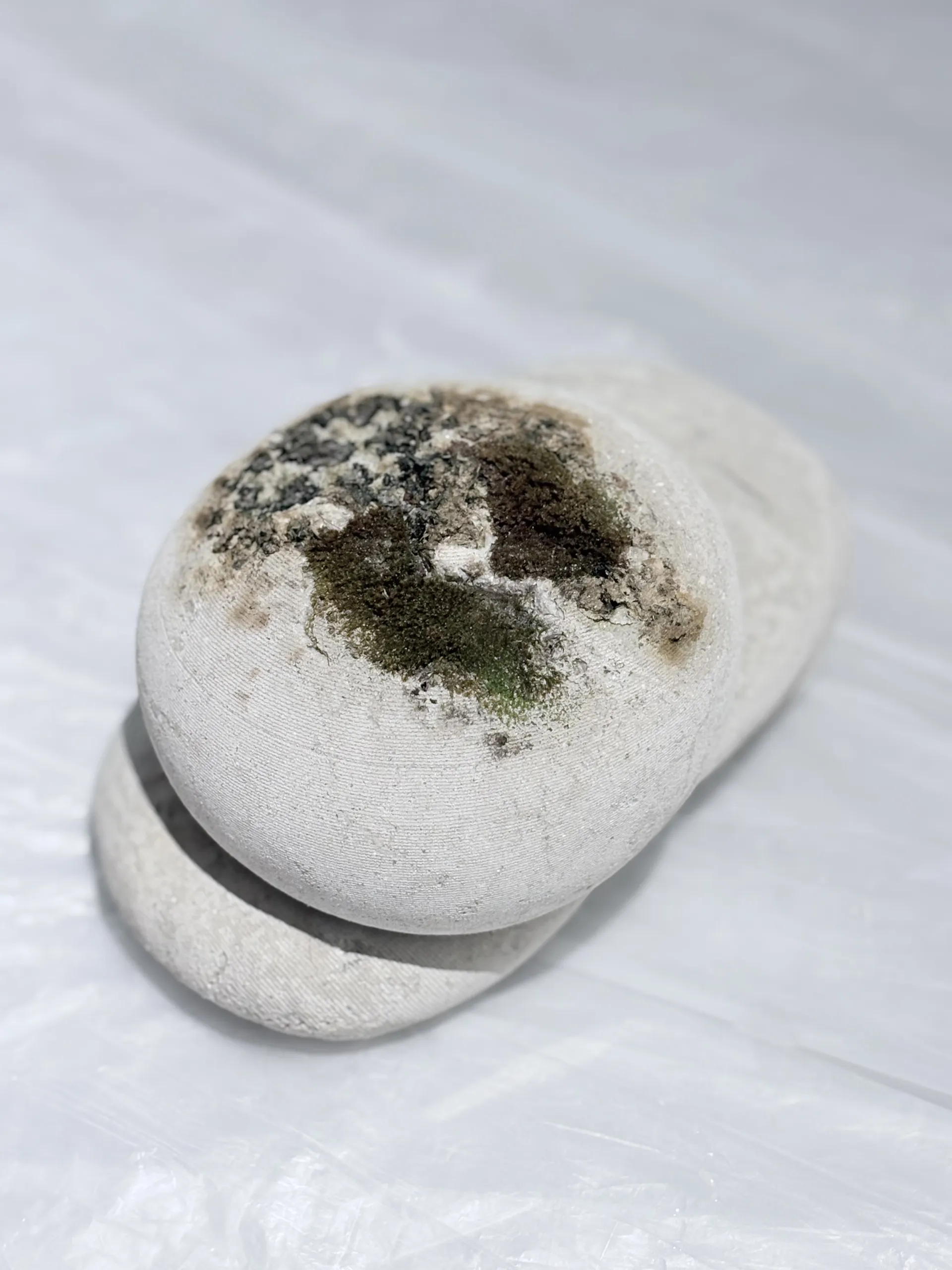

Cultivating micro-scale ecologies
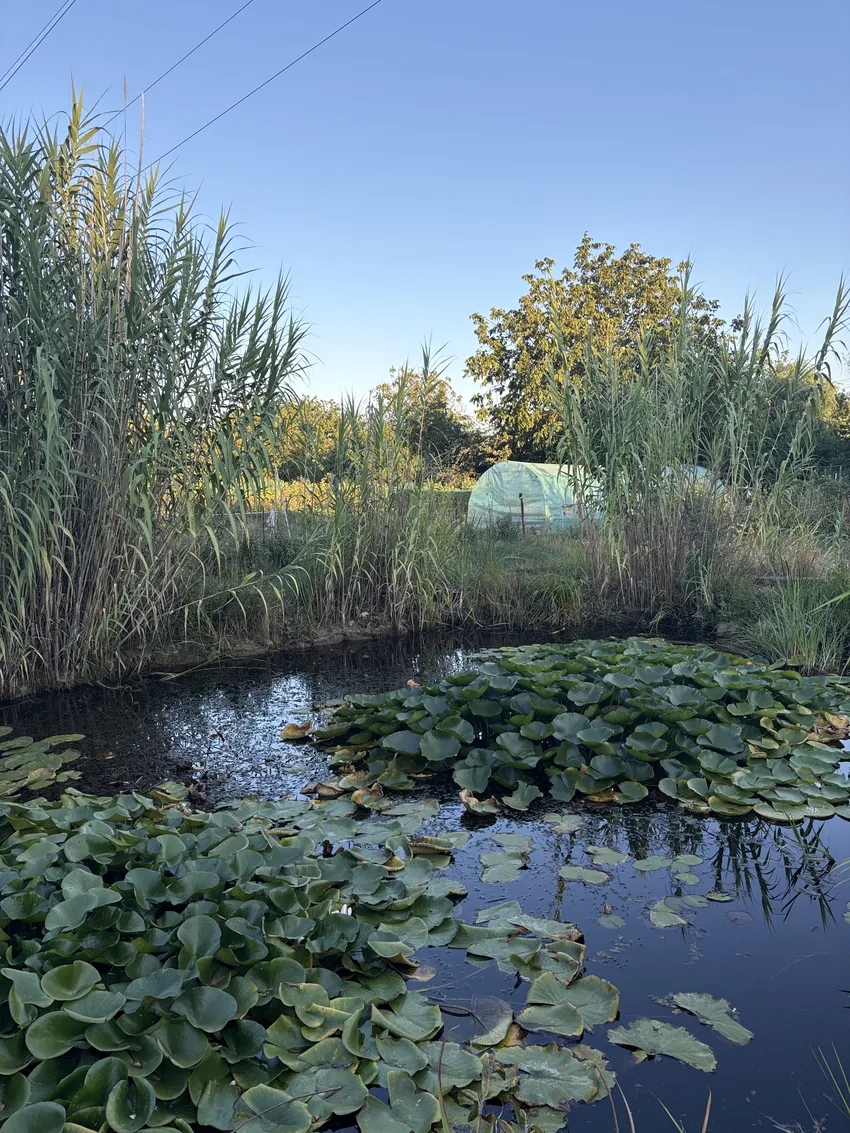
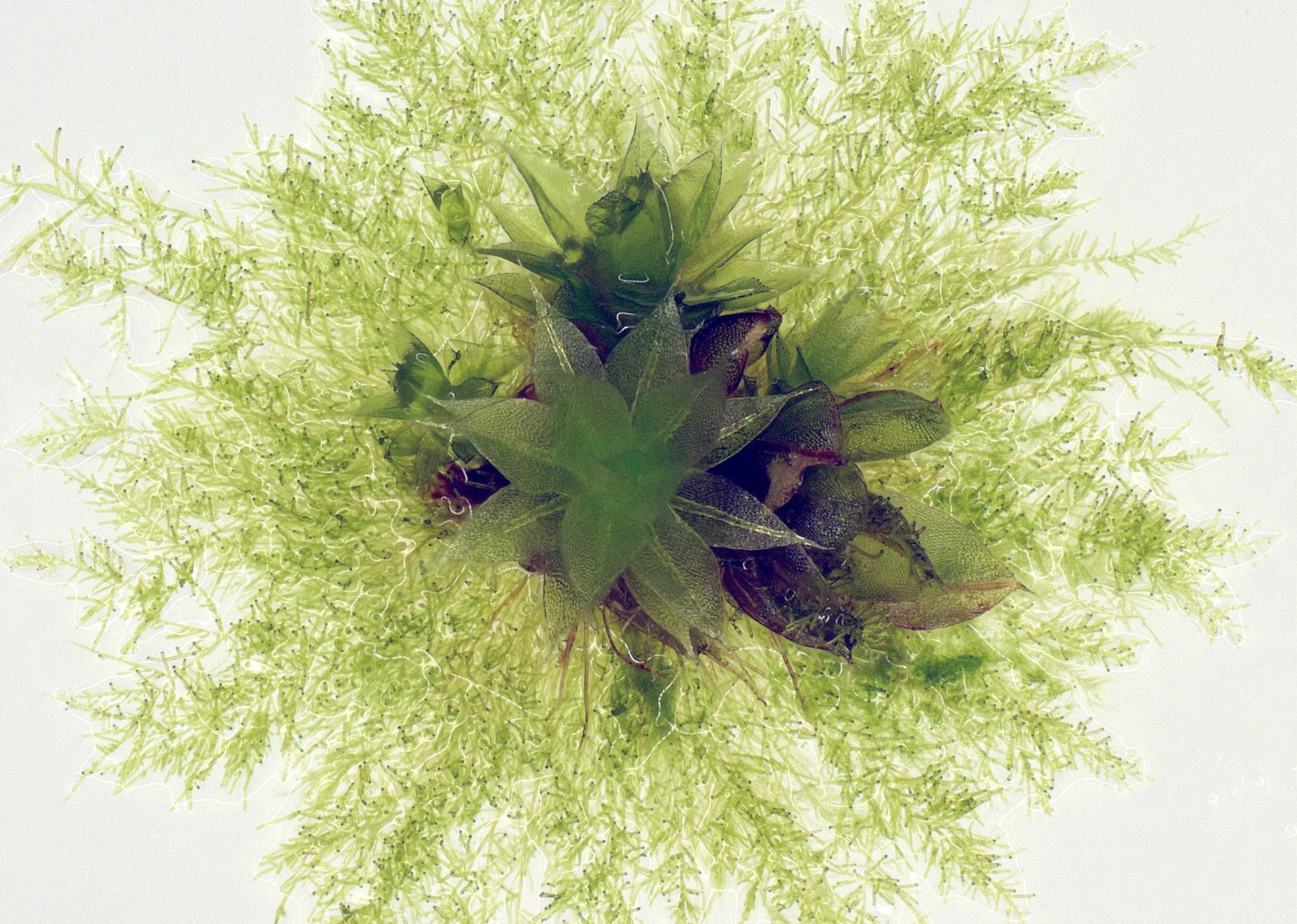
What if a crop existed to serve other forms of life instead of a market? Around Timișoara, water has been redirected and controlled for three centuries. Marshes were drained into farmland and rivers straightened into canals. Today, fields that were drained to produce food crack during drought and flood during heavy rain. Cities extend the same logic through roofs, roads and pipes designed to move water away as quickly as possible. Moss offers another way of relating to water. It absorbs and retains moisture, shelters microorganisms within its miniature canopy and signals activity or dormancy through changes in colour.
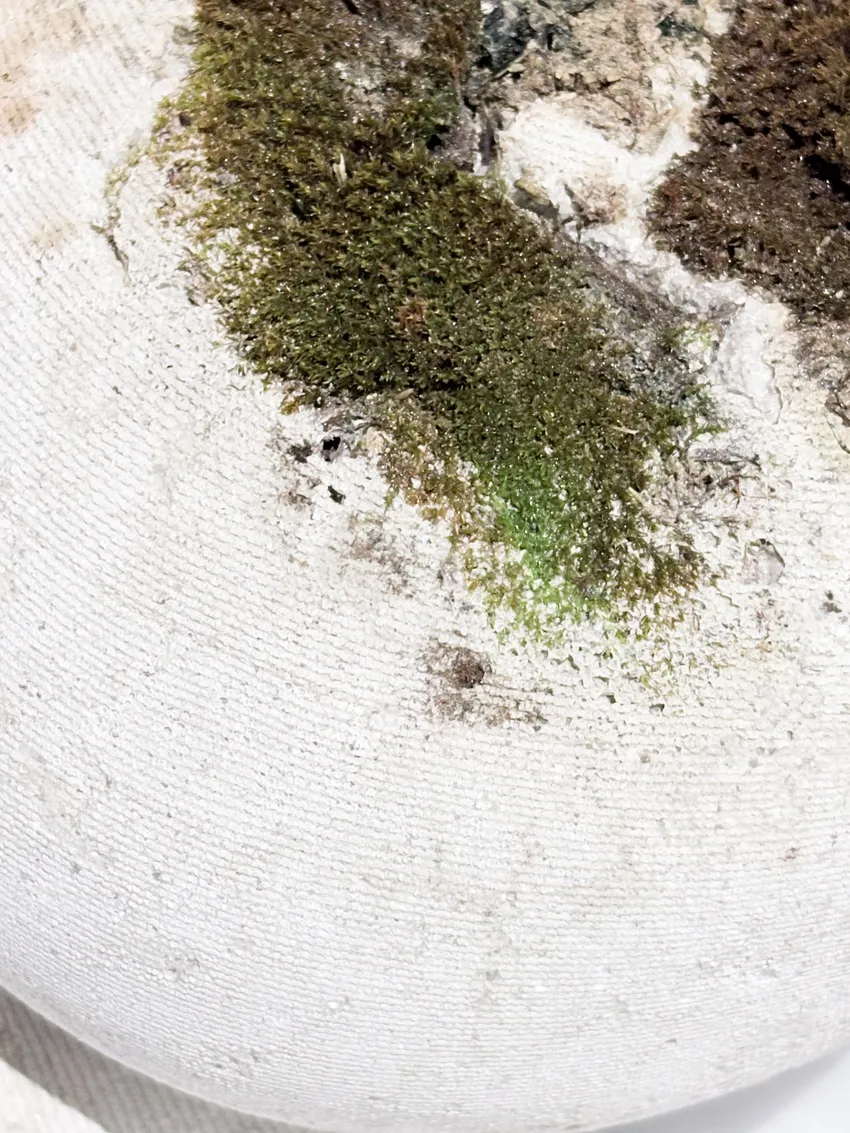
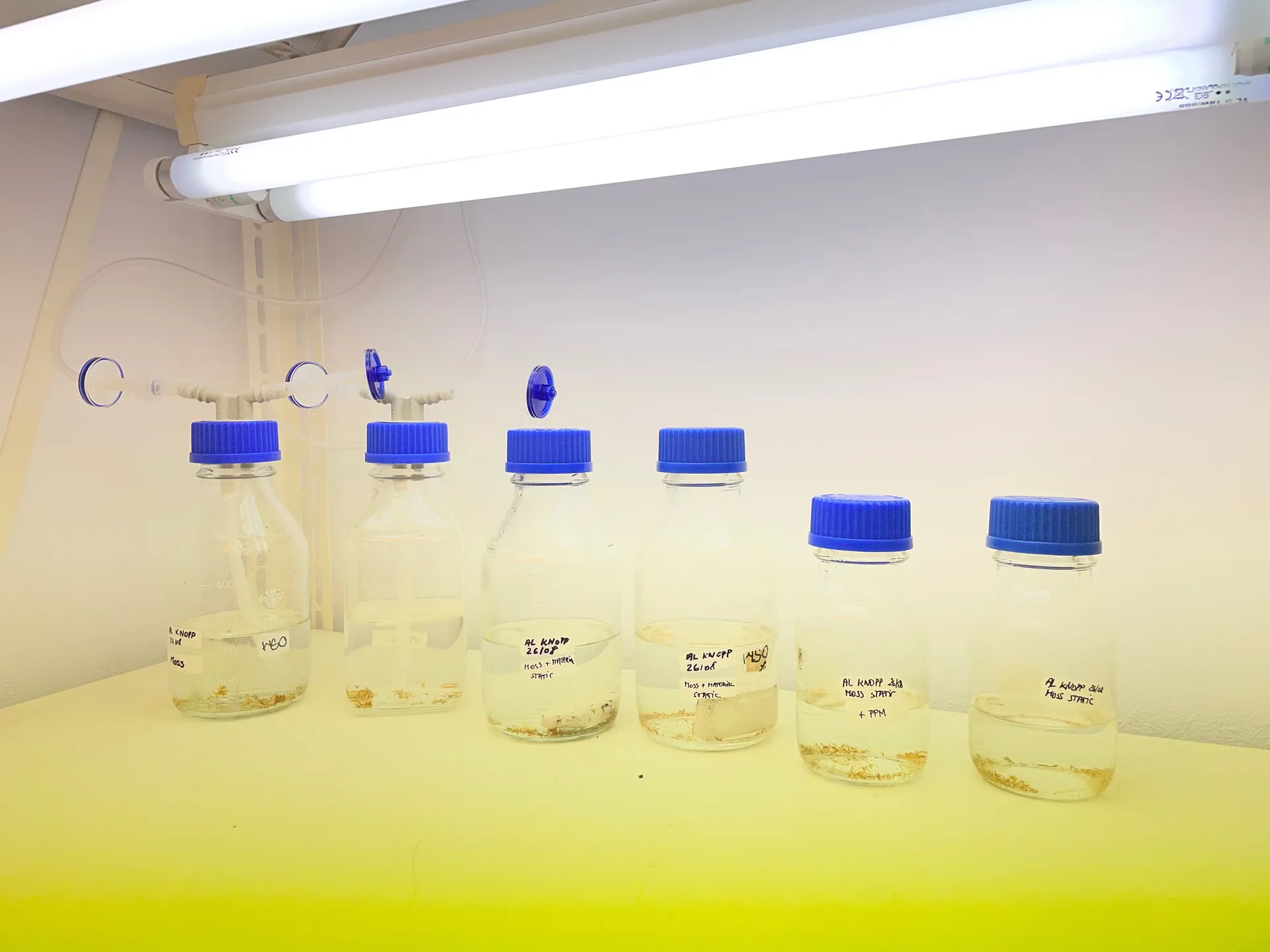
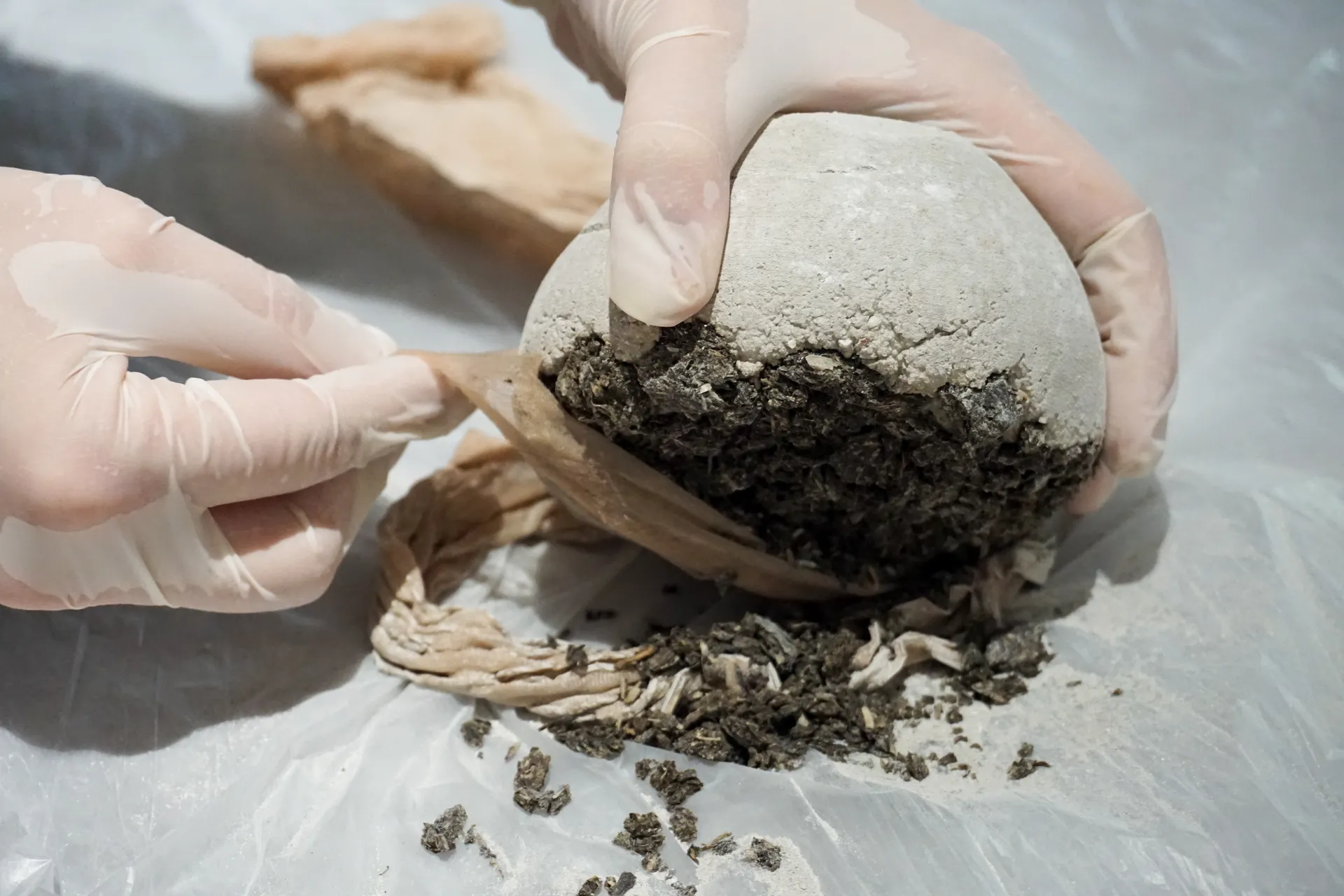
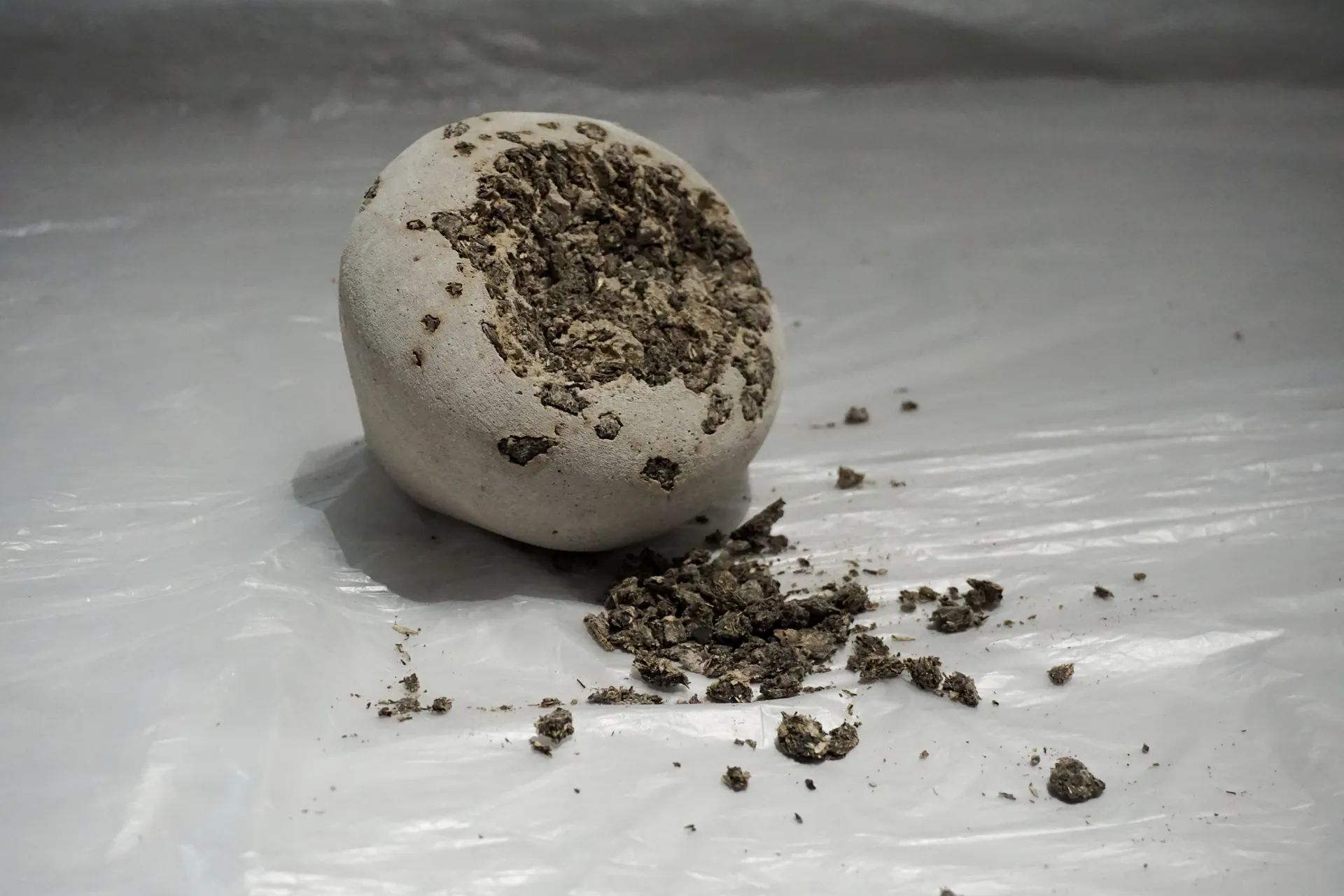
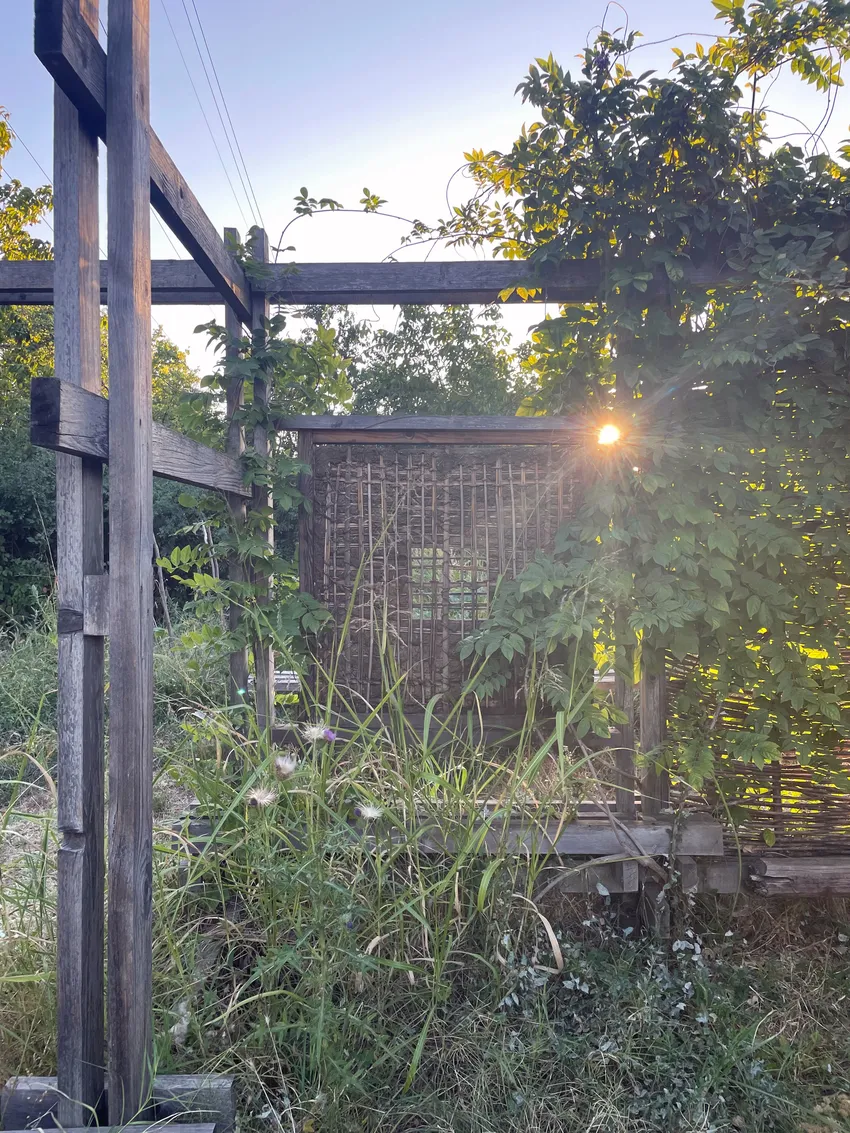
Mușchii develops porous moss-growing surfaces from abundant regional side-streams, combining cellulose left from sunflower-oil production with stone dust. The material is cast, carbonated and inoculated, then left for moss to establish itself. Exposed to weather conditions, a cultivation station monitors the moss over time. Cameras read its photosynthetic activity and translate it into sound, making its slow breathing perceptible. Instead of proposing a finished product, the project asks what cities might learn from cultivating patient observation, and from treating rainwater as nourishment for micro-scale ecologies.
Credits
Project developed in conversation with : Emilian Onisan (USVT), Alexandru Ciobotă (Studio Peisaj/AsoP Vest), Loredana Gaiță (Timișoara Verde-albastră), Vlad Stanciu (Caminota), Andrei Lazăr (Soloverde), Adam Meyrick (B-Made, UCL).
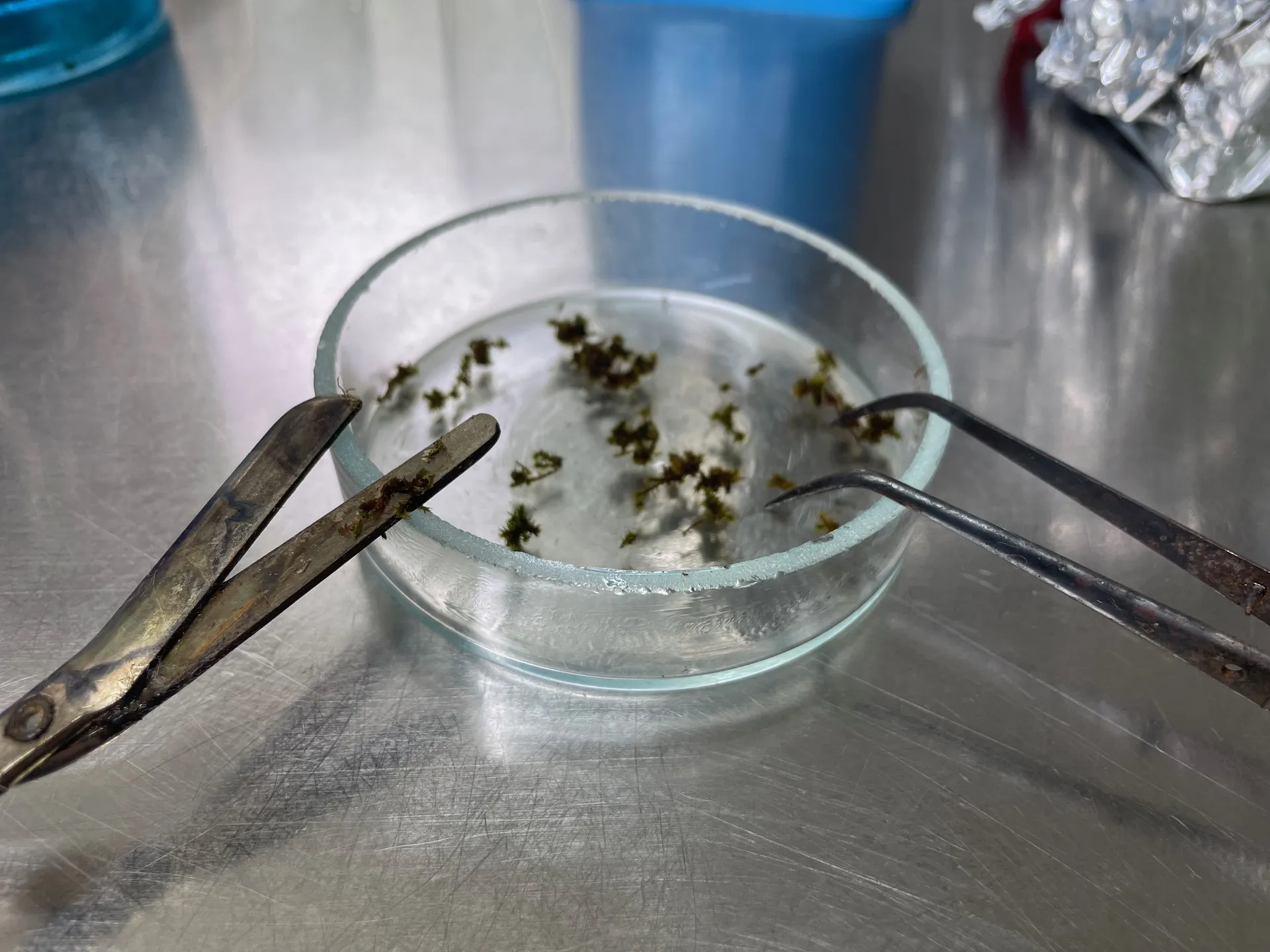
Moss research and in vitro cultivation protocols: Alexandra Lăcătușu as part of her PhD research at Bio-ID Lab, UCL
Moss cultivation: Alexandra Lăcătușu, Ioana Man, Emilian Onișan
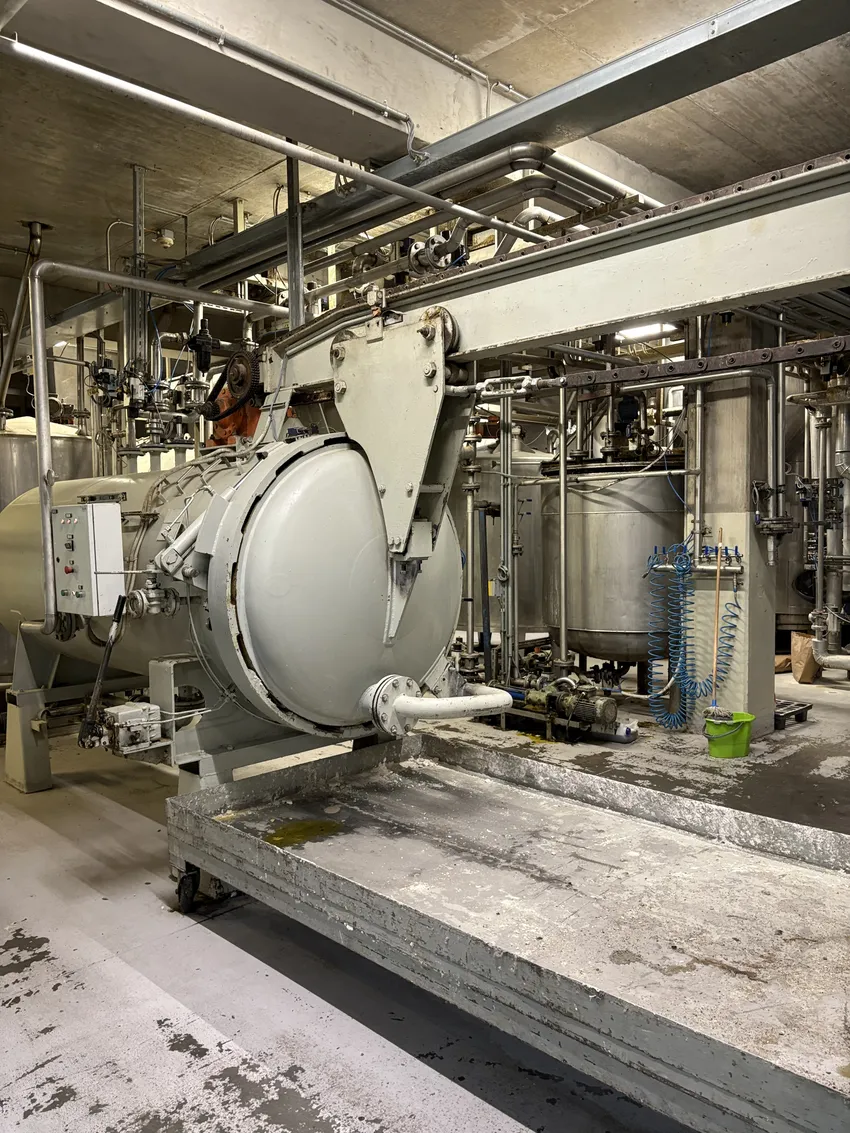
Laboratory and manufacturing facilities: Universitatea de Științele Vieții „Regele Mihai I” Timișoara Bio-ID Lab, UCL, B-Made, UCL
Lab assistance: Andreea Gabor, Adriana Jicmon
Sourced materials: Soloverde, Laura Baldini, Caminota