Roberta Di Cosmo
Designer
Cheese-making at the edge of the pasture
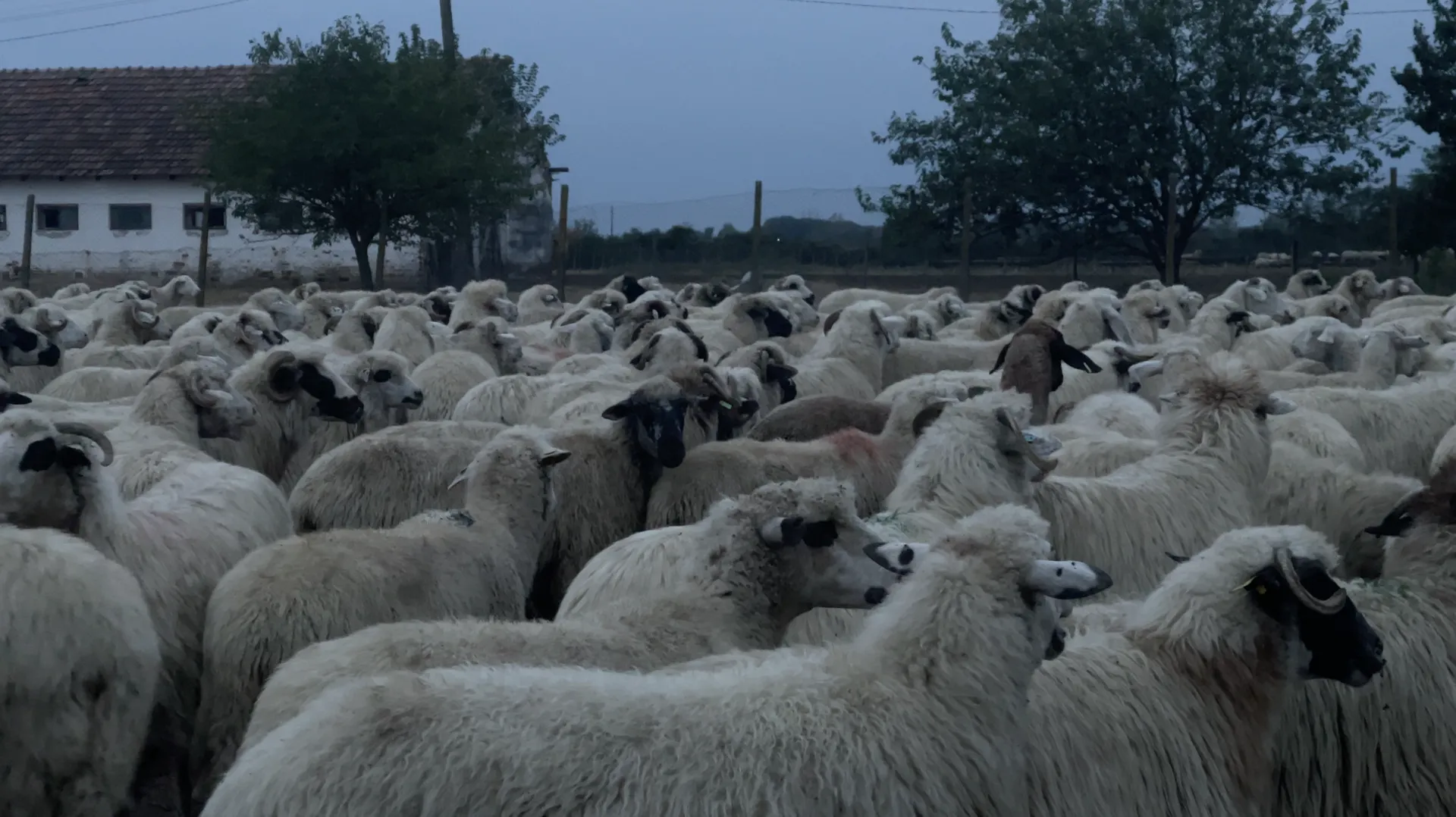
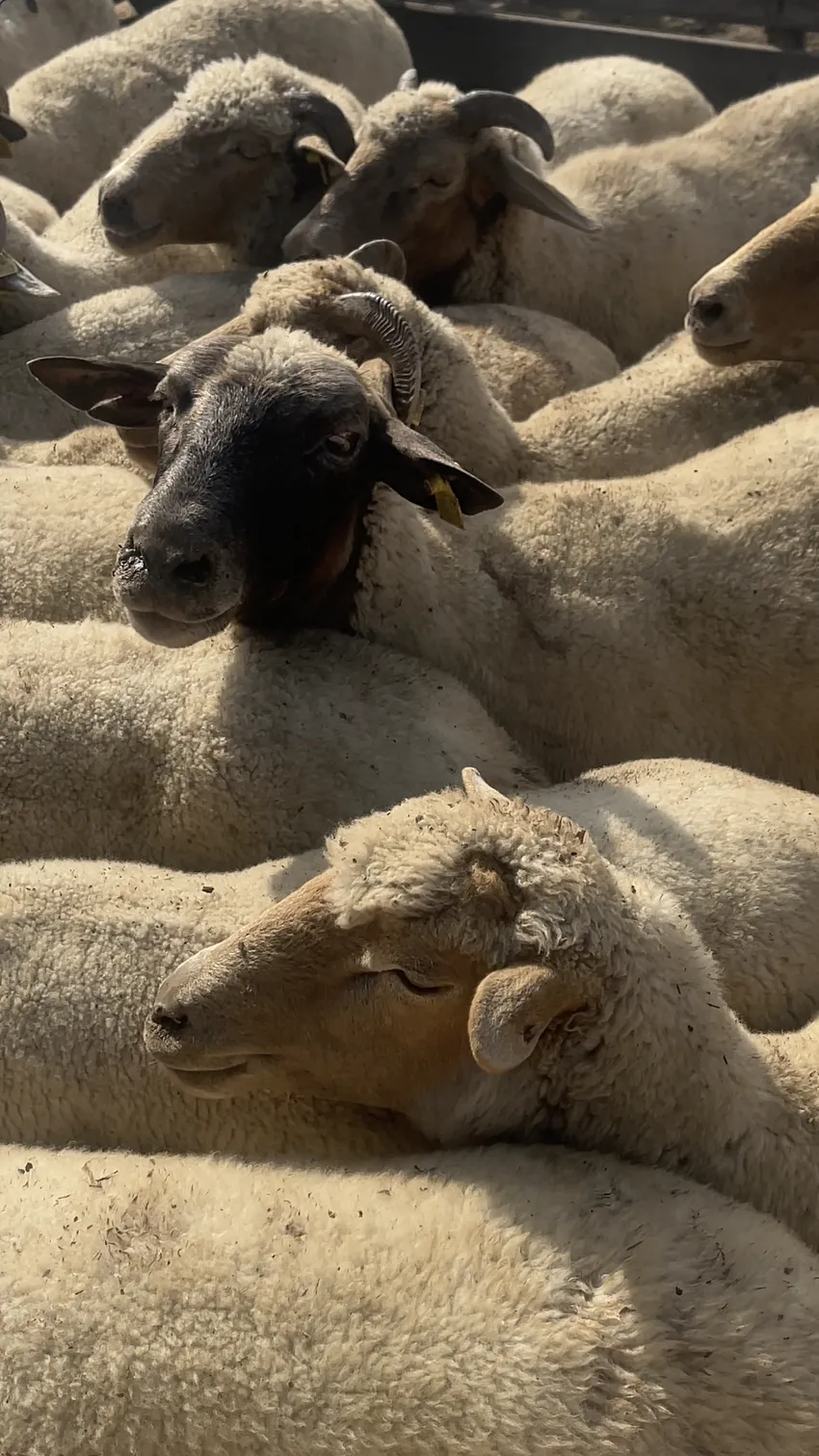
At Timișoara’s expanding edges, climate change and urban development are reshaping pastoral life. Hotter, drier conditions shorten the milking season, while industrial zones, the airport, artificial light and widening roads interrupt traditional routes between seasonal grazing areas. With increasingly fragmented access to pasture and daily pastoral routines, many shepherds see themselves as the last generation willing to make cheese and carry this knowledge forward.
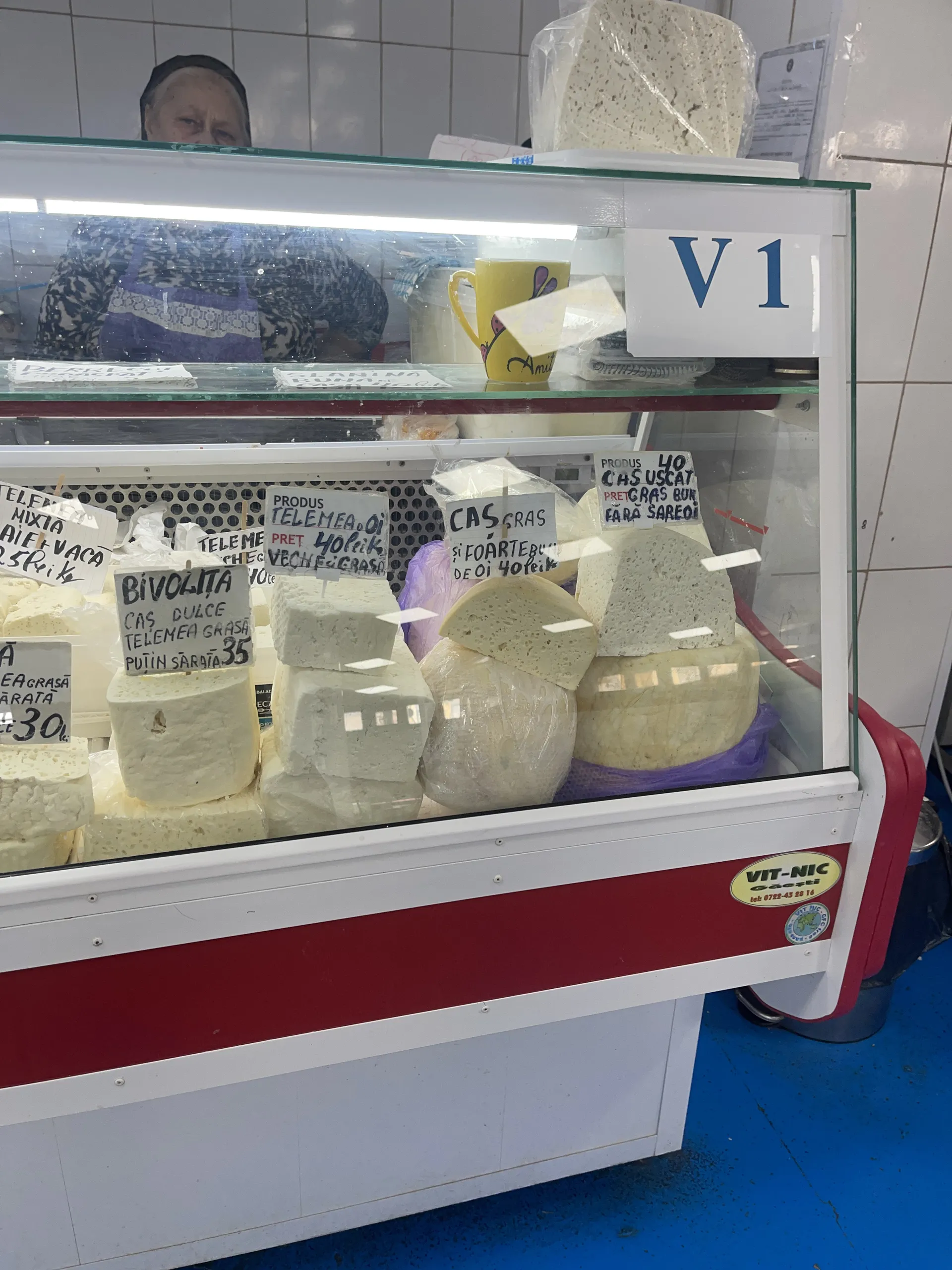
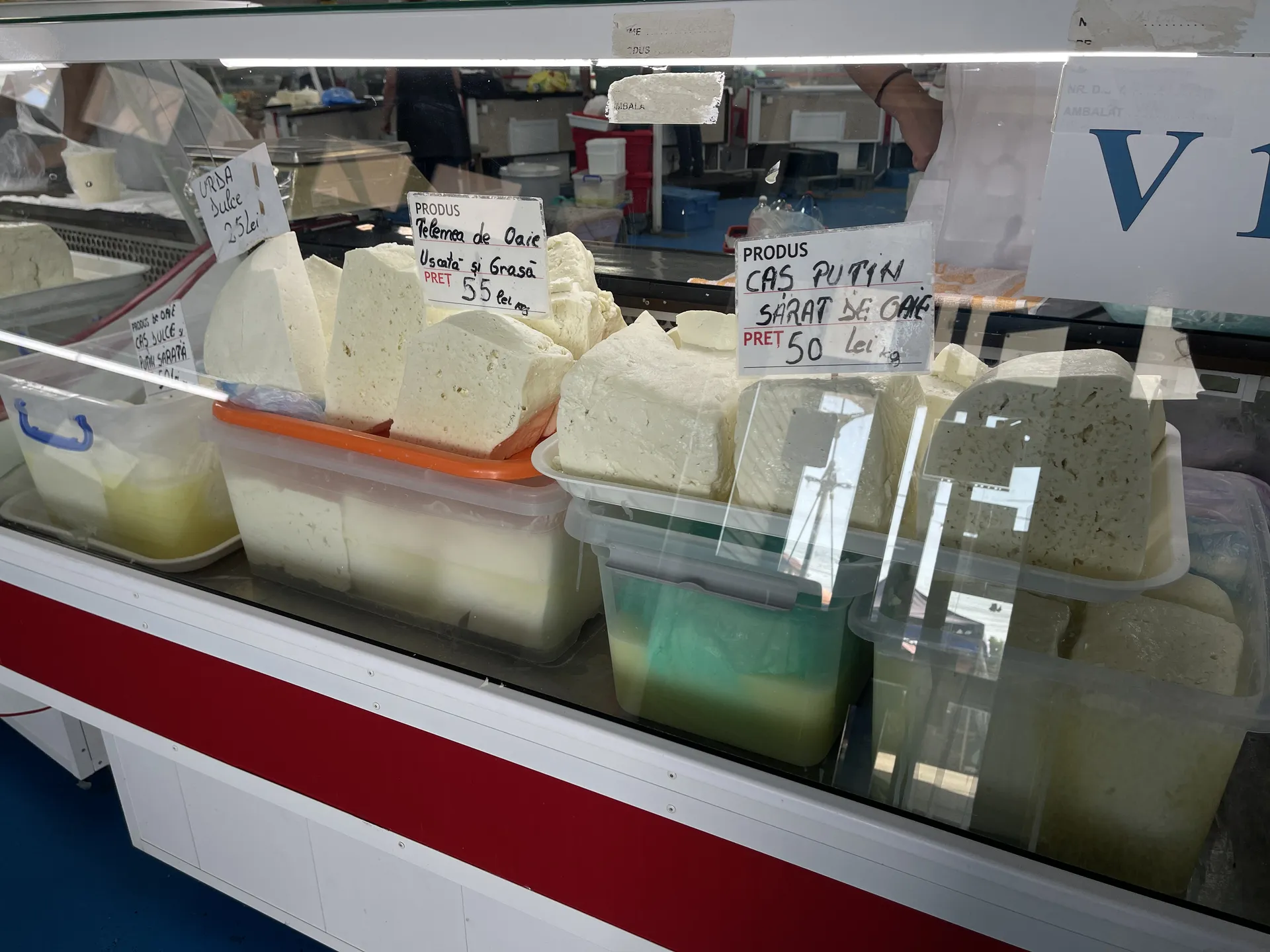
In collaboration with researcher Roxana Triboi, Di Cosmo conducted field research into cheesemaking, milk production and pastoral practices across markets and shepherding communities. Although small-scale pastoral cheesemaking has declined, its limited dependence on machinery or permanent infrastructure allows some shepherds to continue grazing flocks on abandoned and underused land at the city’s margins.
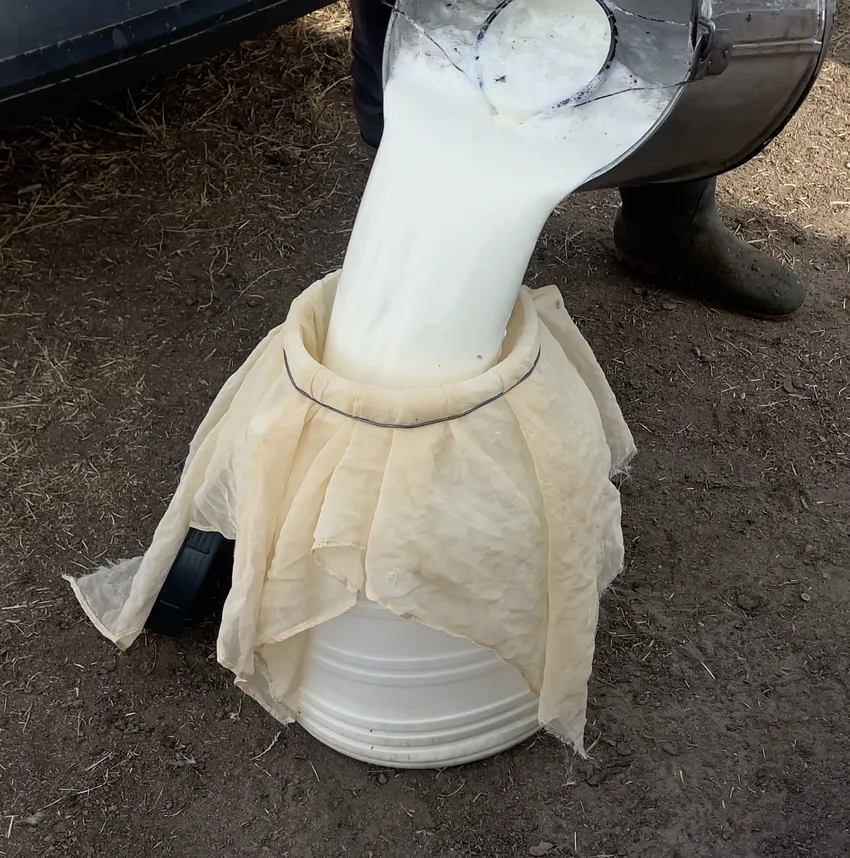
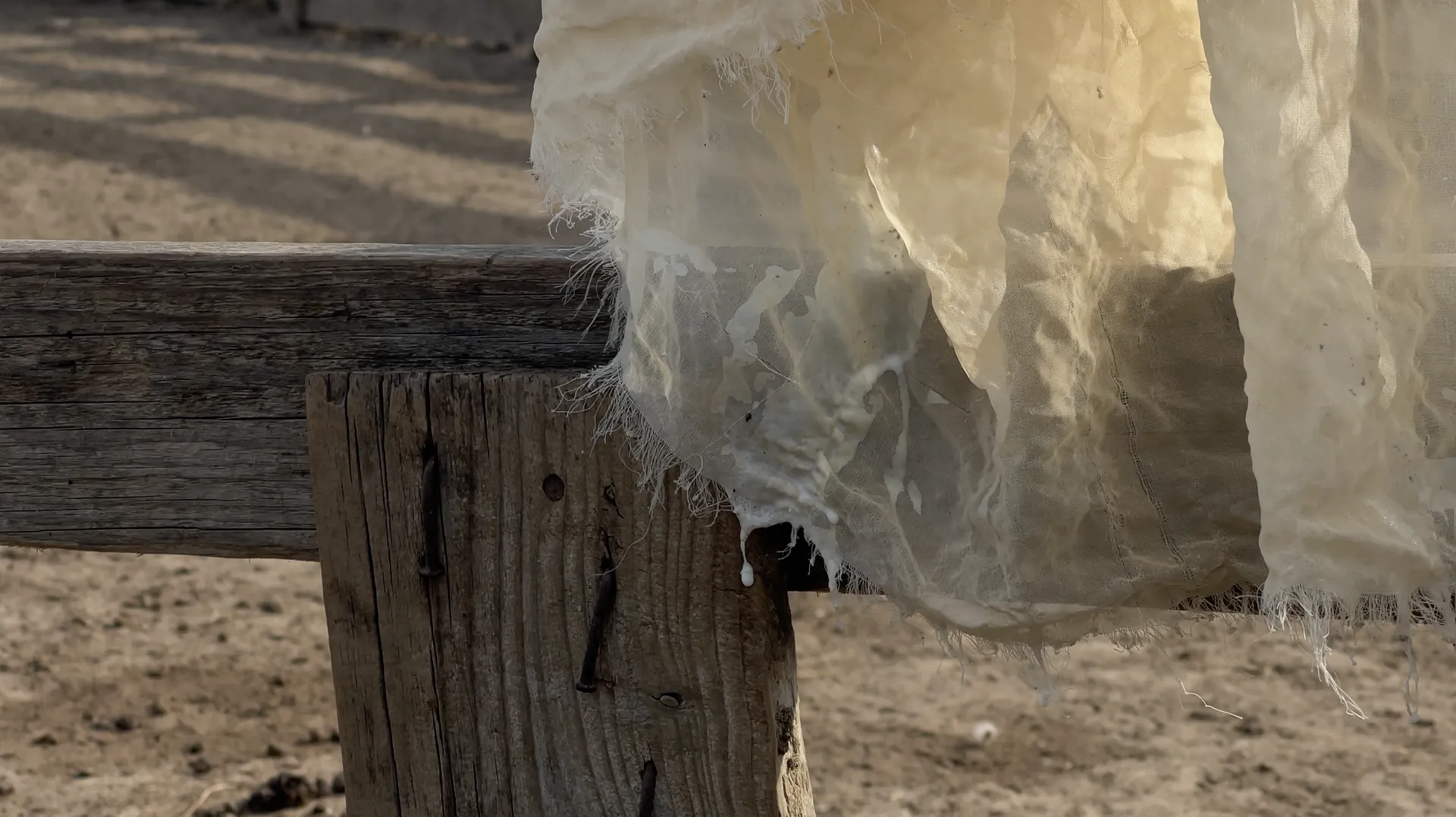
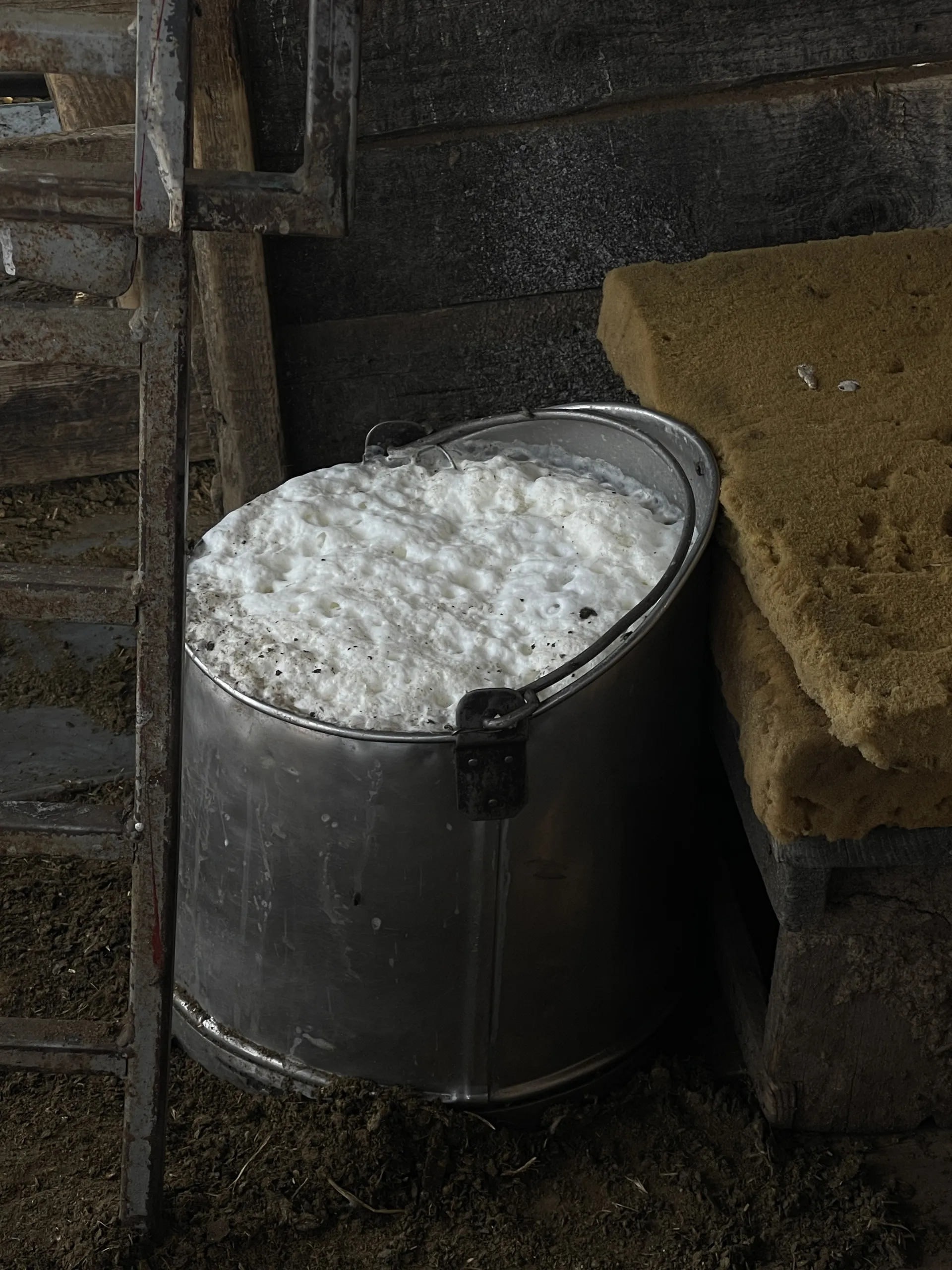
At the centre of the work, Di Cosmo transforms a livestock trough—used to give sheep water or food— into cheesemaking equipment. Working with cheesemakers Șerb Lenuța Nelica and Șerb Nicolae, the last milk of a season ending earlier each year is used to cast cheese directly inside the trough. Based on processes observed in local producers’ kitchens, the gesture connects traditional knowledge to pastoralism’s adaptation to a changing landscape. The cheese becomes a tangible archive of landscape, climate, care and knowledge at risk.
Credits
Cheesemakers: Șerb Lenuța Nelica & Șerb Nicolae, known as ‘Culiță from Dragșina’
Field research: Piața Iosefin and Piața Badea Cârțan markets; shepherds and sheep / ciobani și oi (Giroc, Albina, Freidorf)
Carpentry: Cosma Alin, Atelier Mob, Timisoara
Textile production: Maria del Pilar Robles PérezVisual production: Ana Robles Pérez
Metalwork production: Atelier de Tinichigerie - Robert Tiberiu Ullei, Timisoara