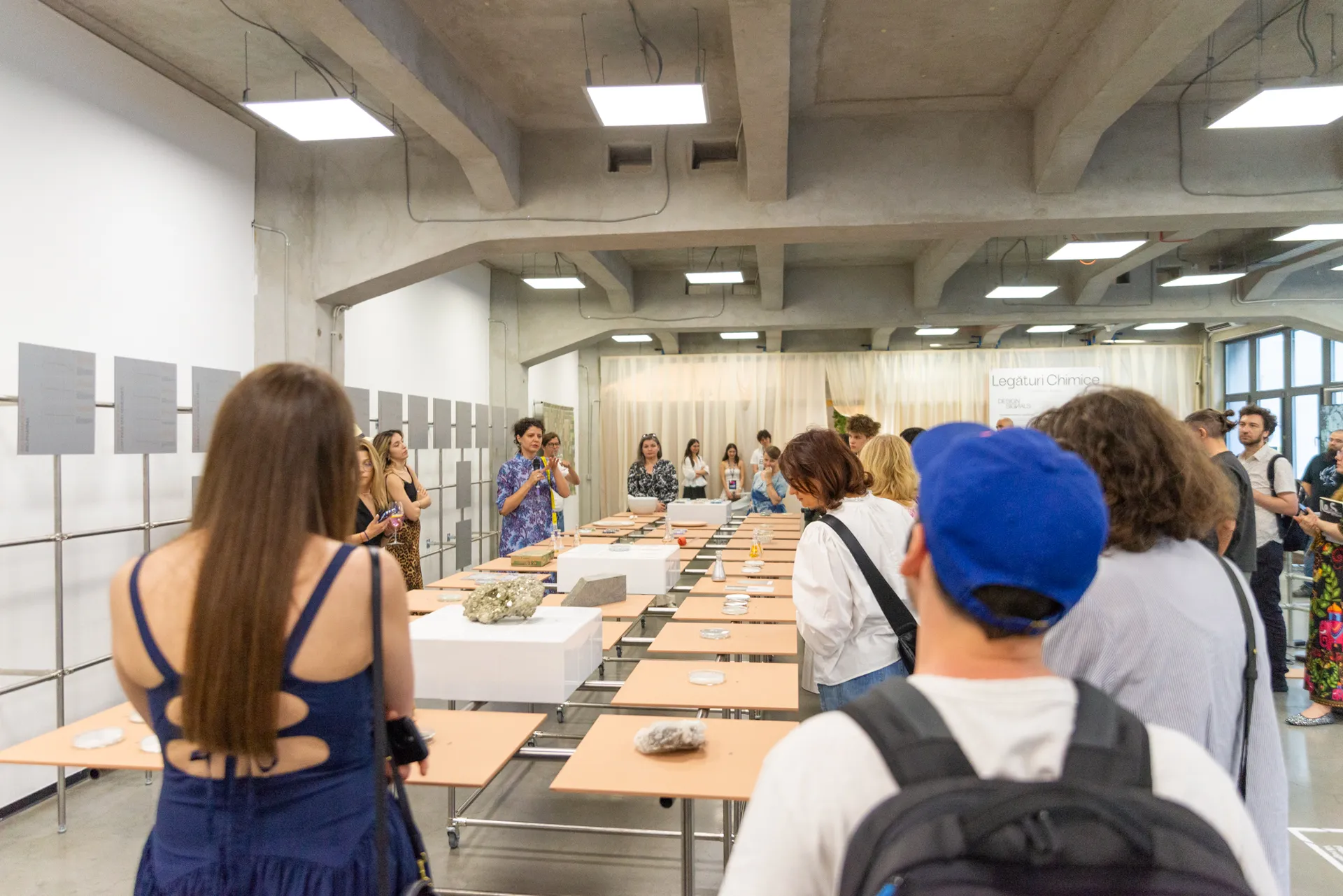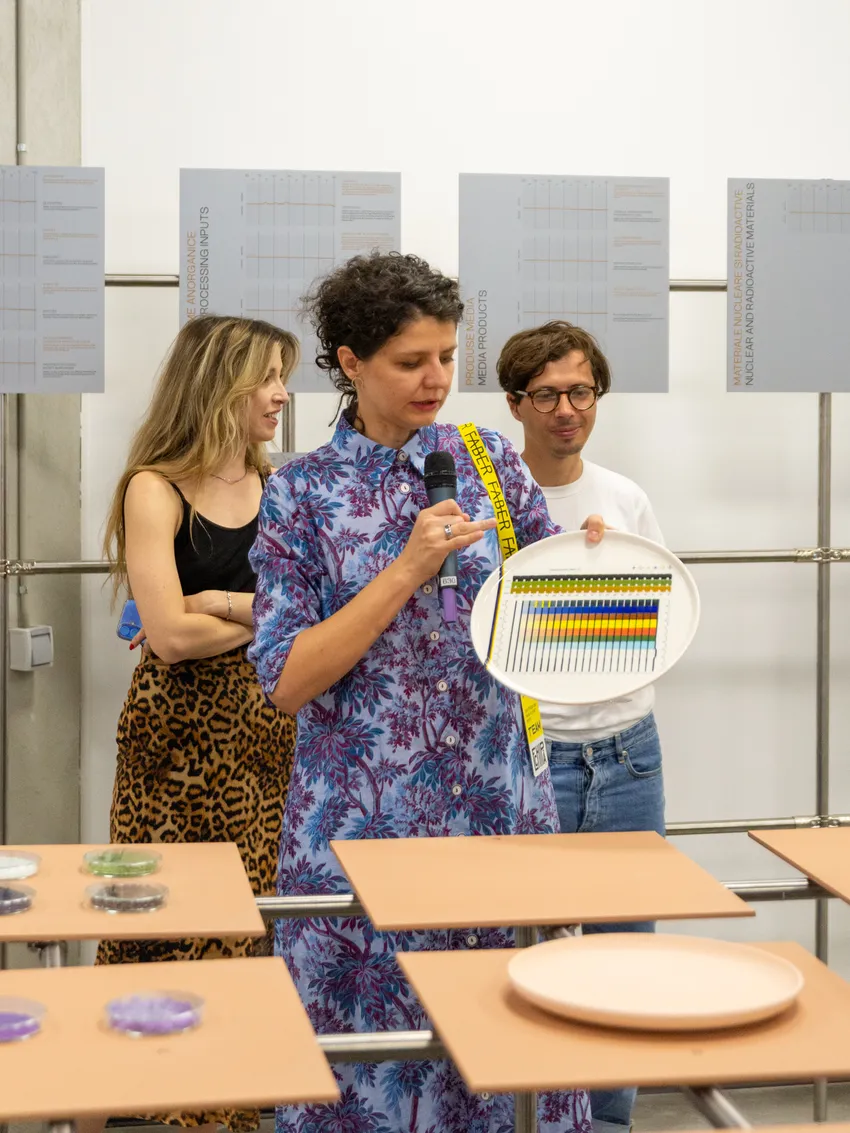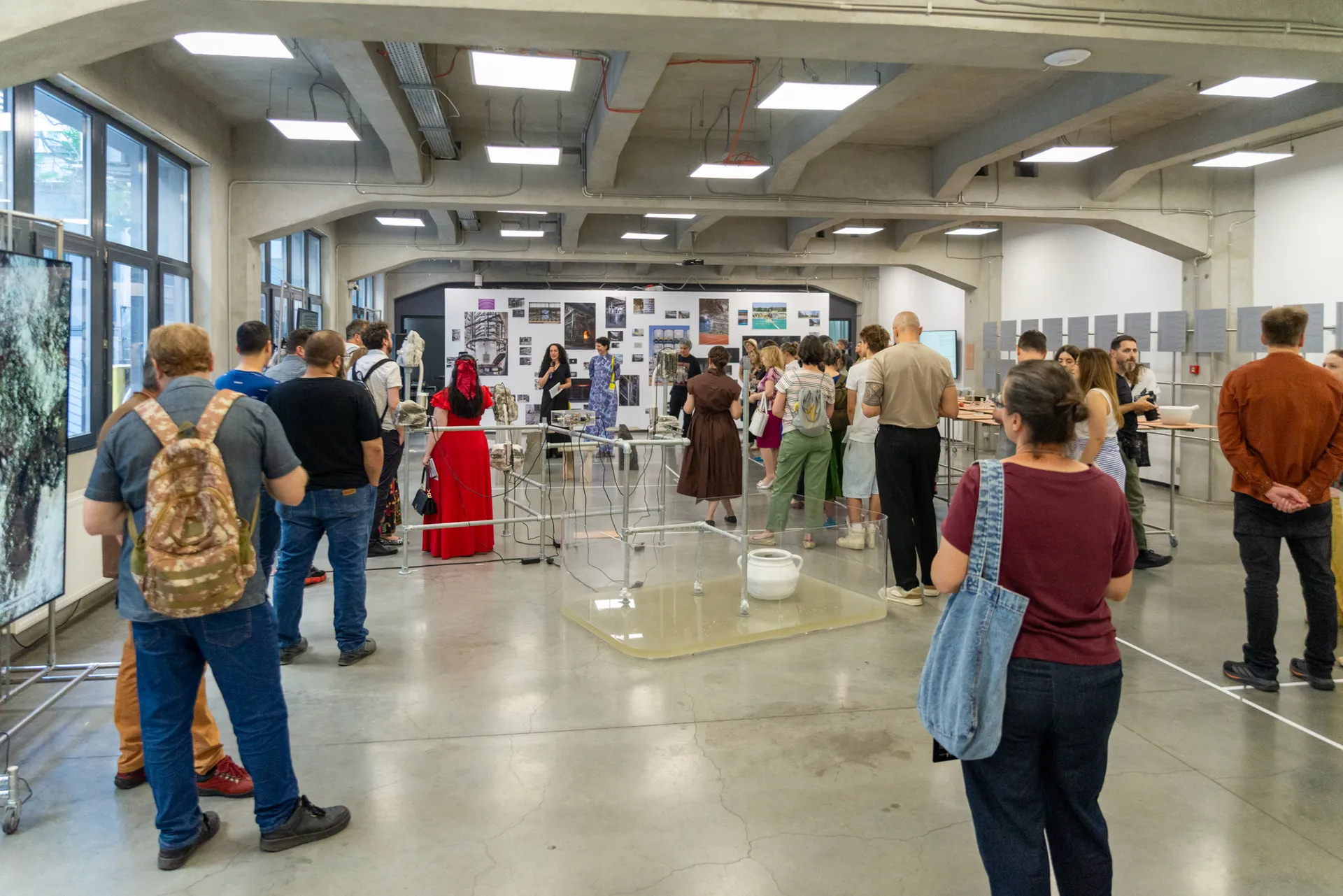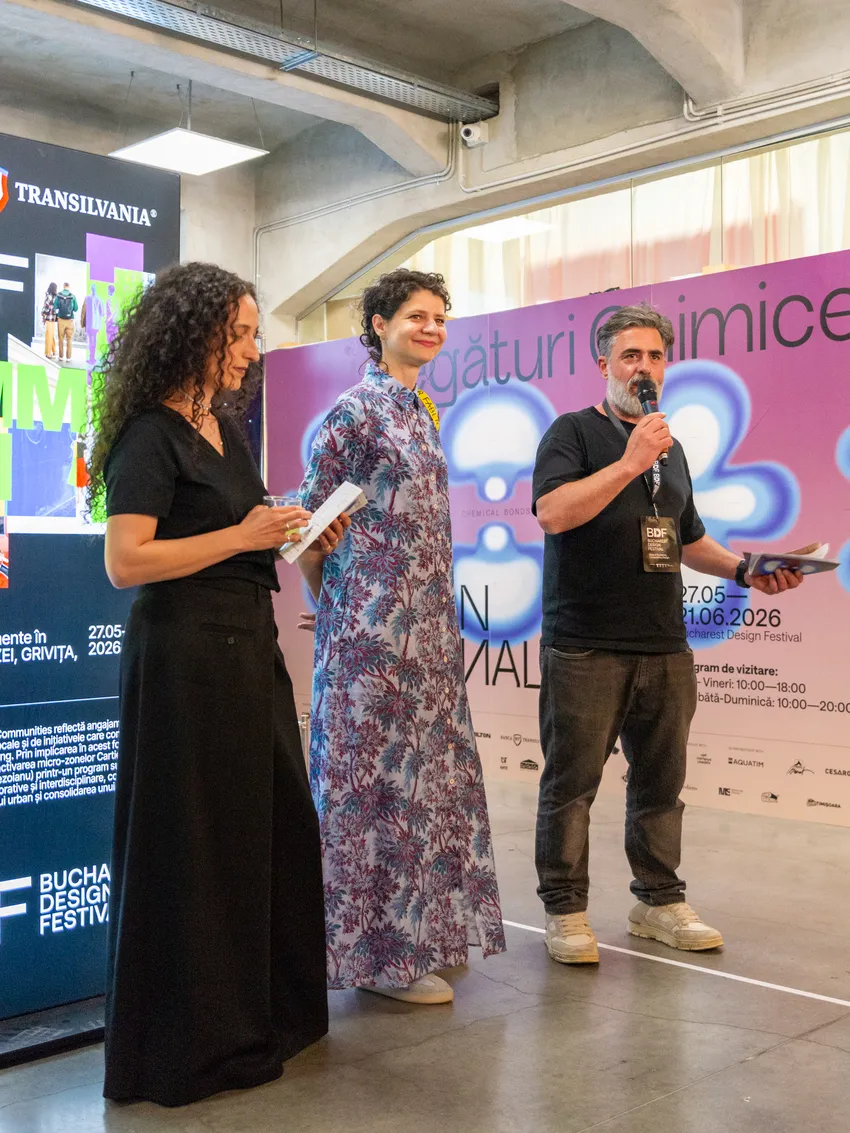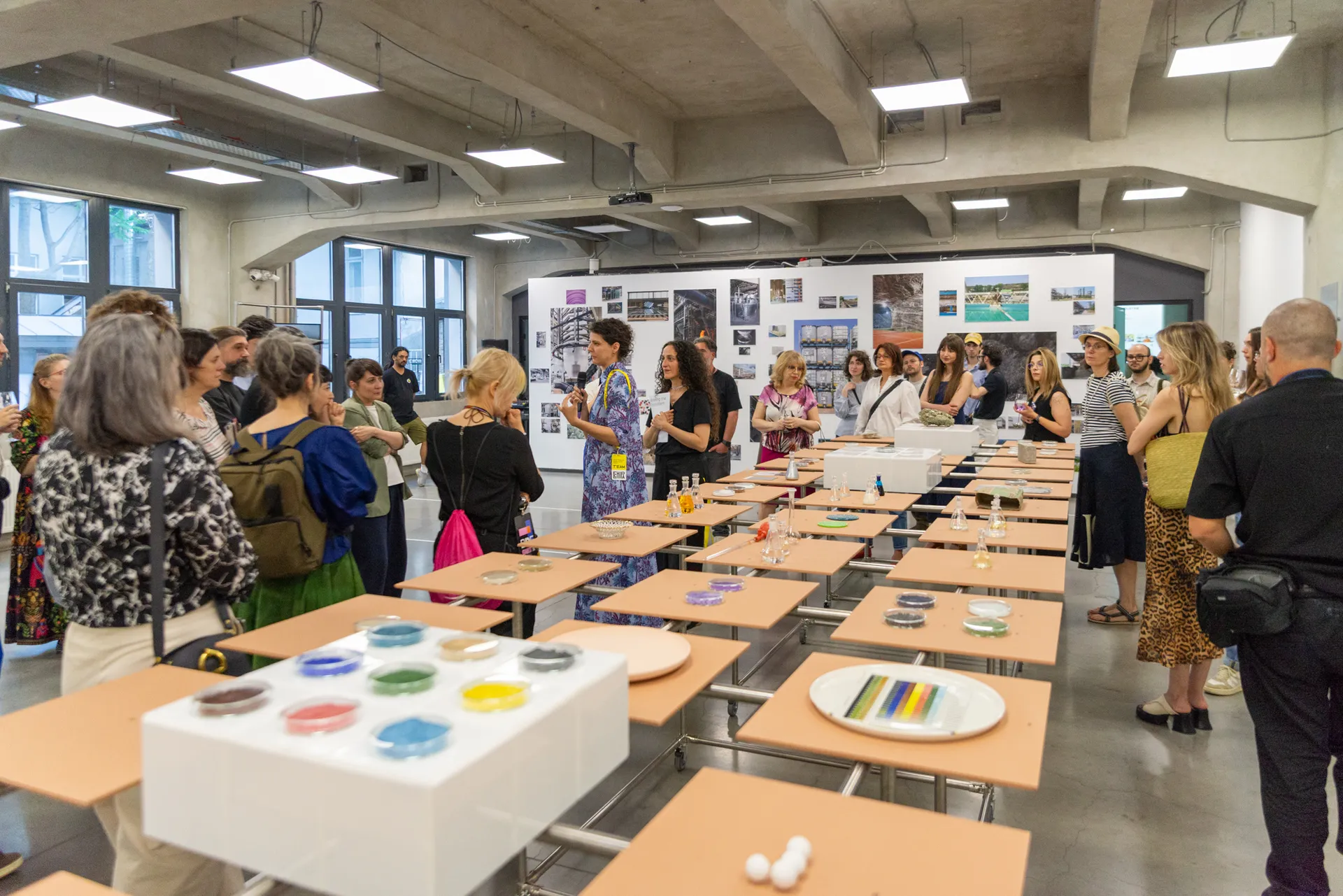
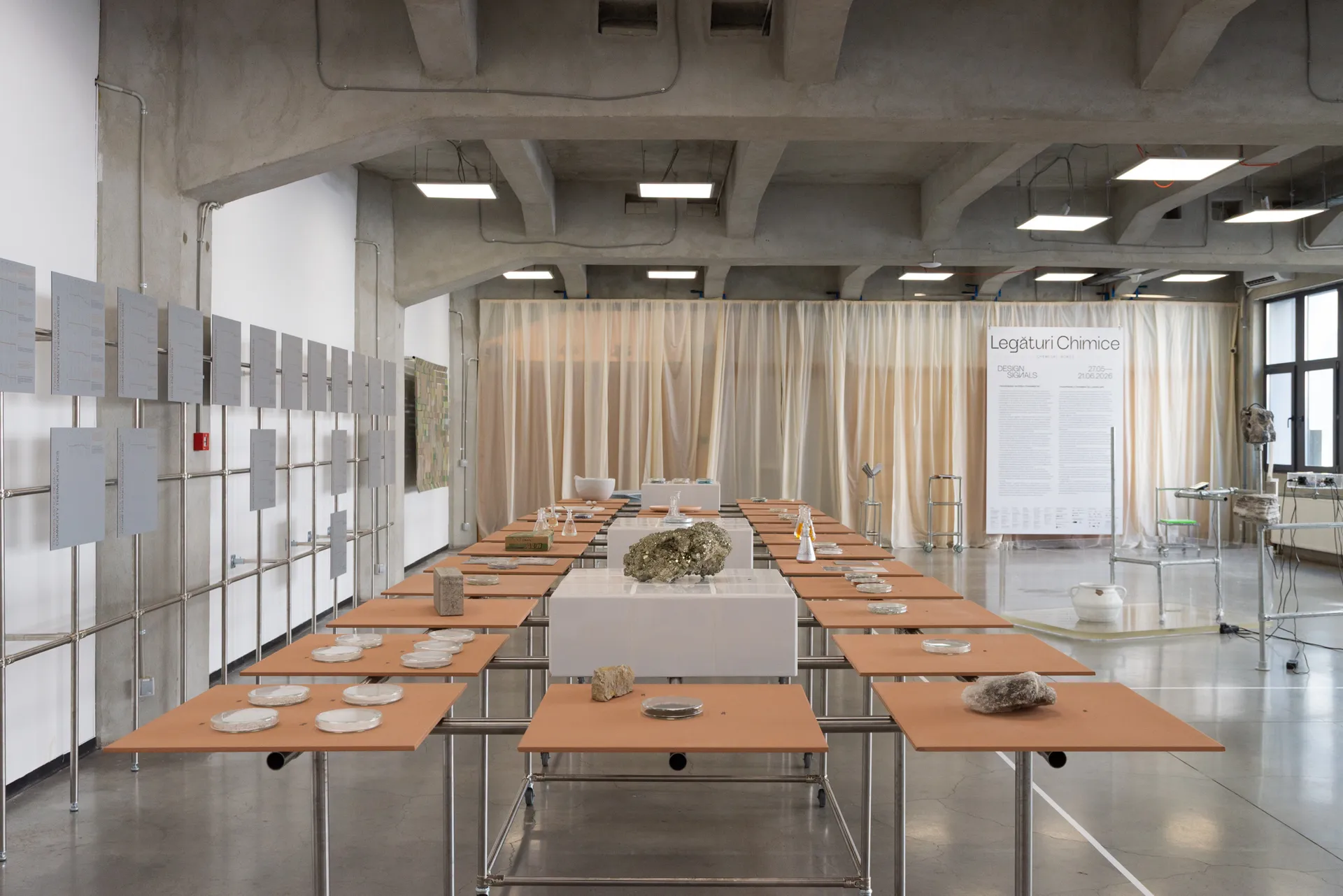
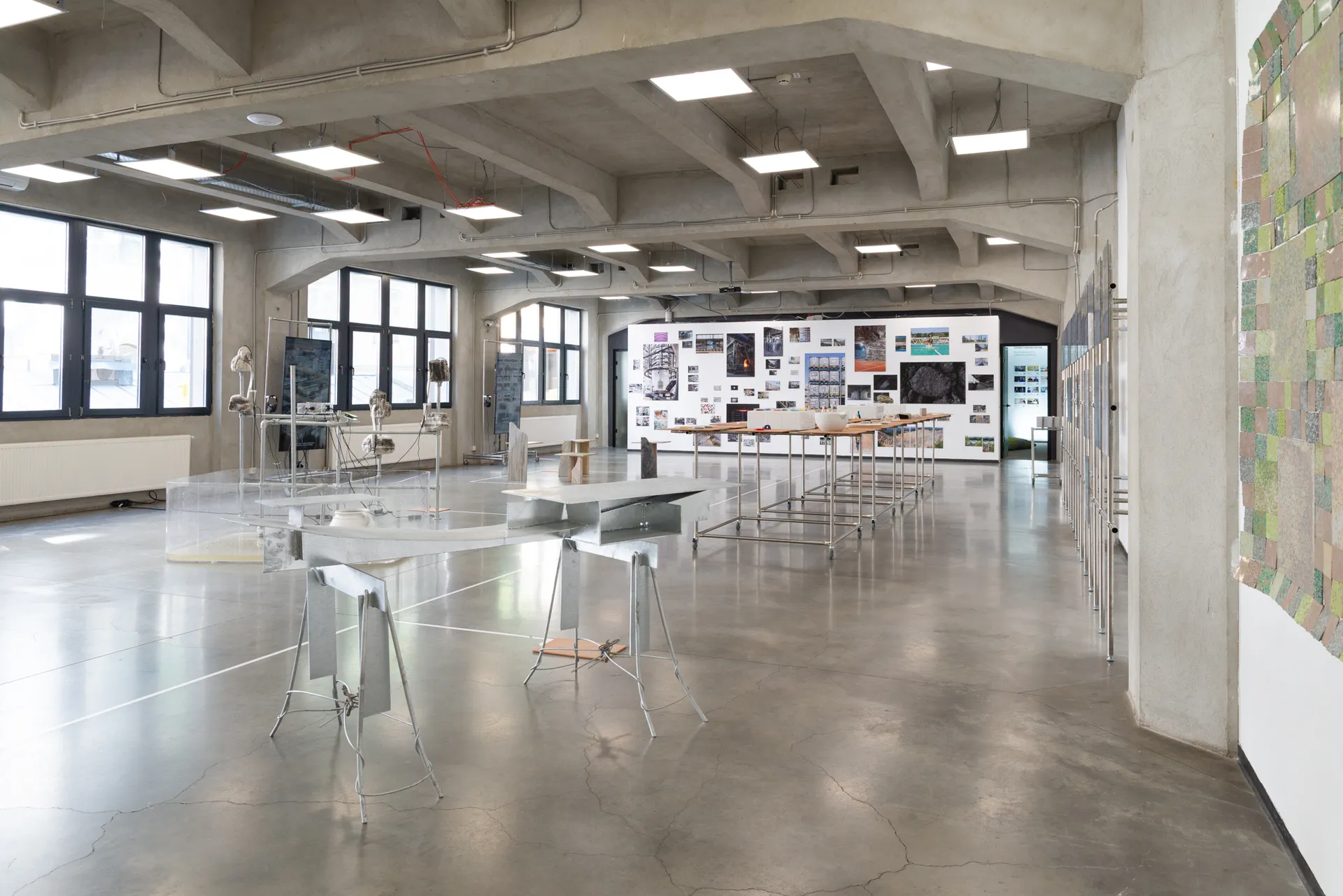
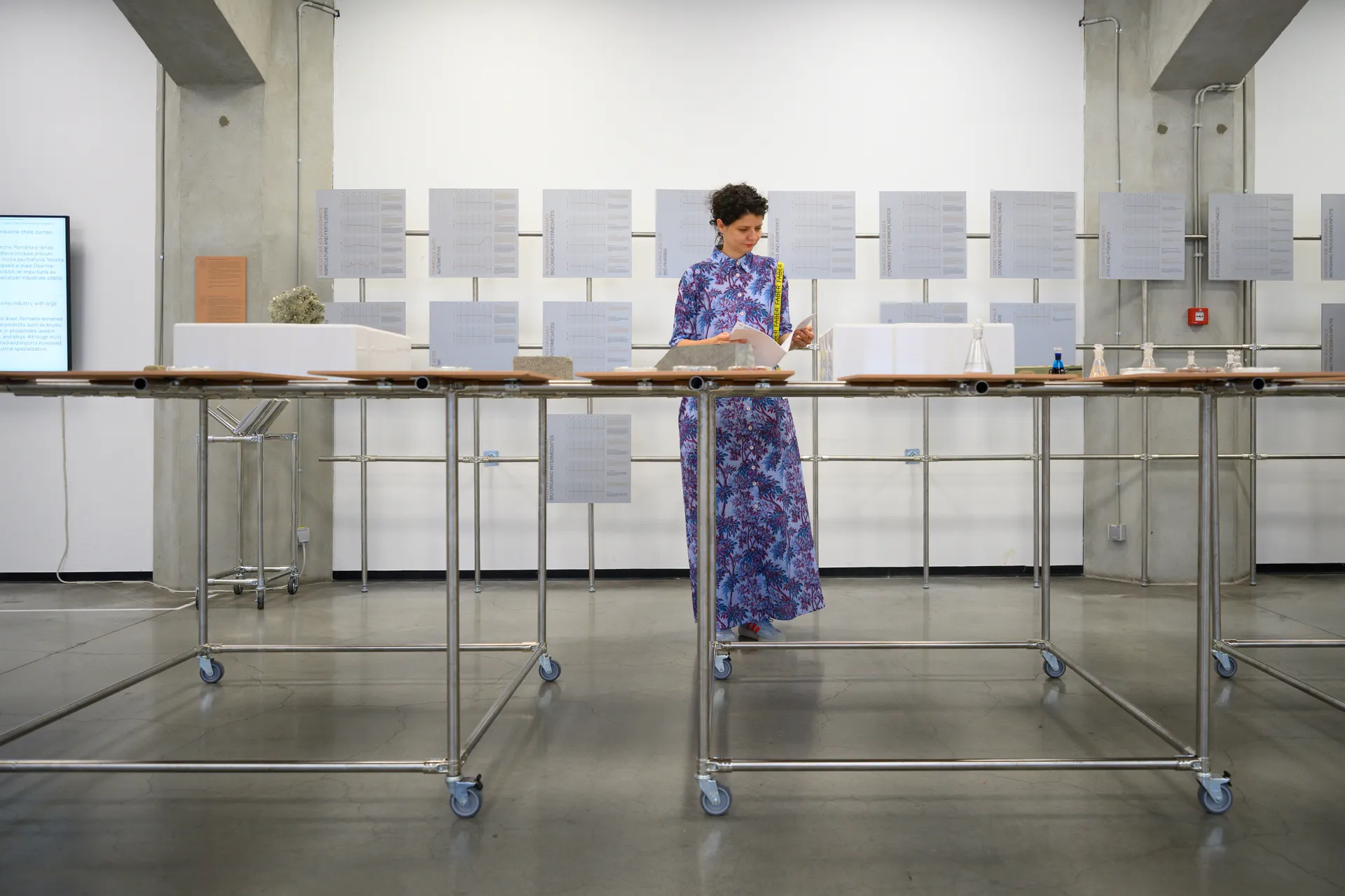
Design Signal’s third iteration, Chemical Bonds, made its way to Bucharest as part of the Bucharest Design Festival (BDF) from 28 May to 21 June 2026 at Mezanin, in the historic Palatul Universul (Universul Palace) building.
The exhibition, curated by Martina Muzi, explores a fundamental paradox: the chemical industry is “visibly invisible”, present in almost every aspect of our lives, from toothpaste to building materials, yet remains largely unseen and misunderstood.
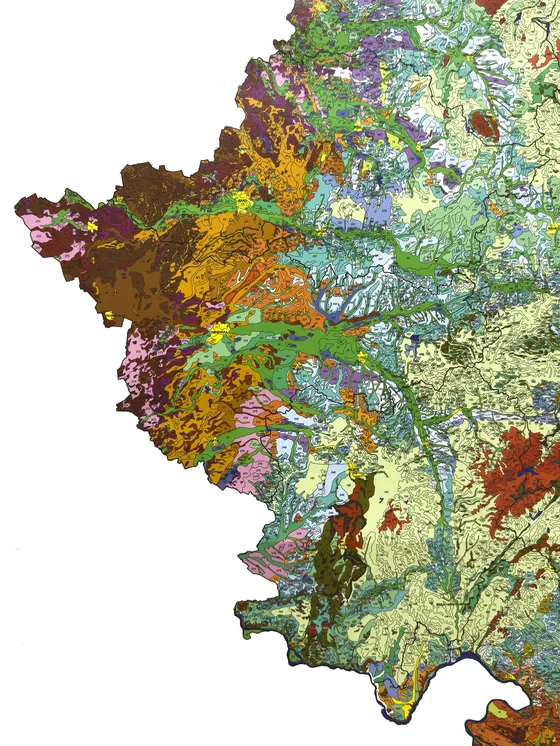
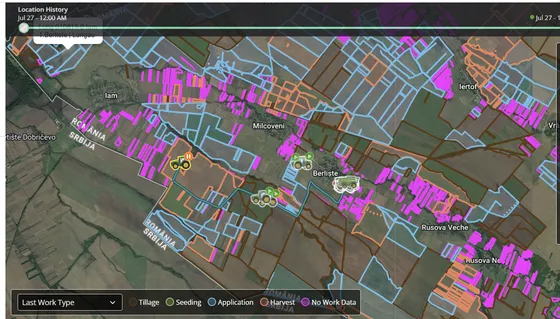
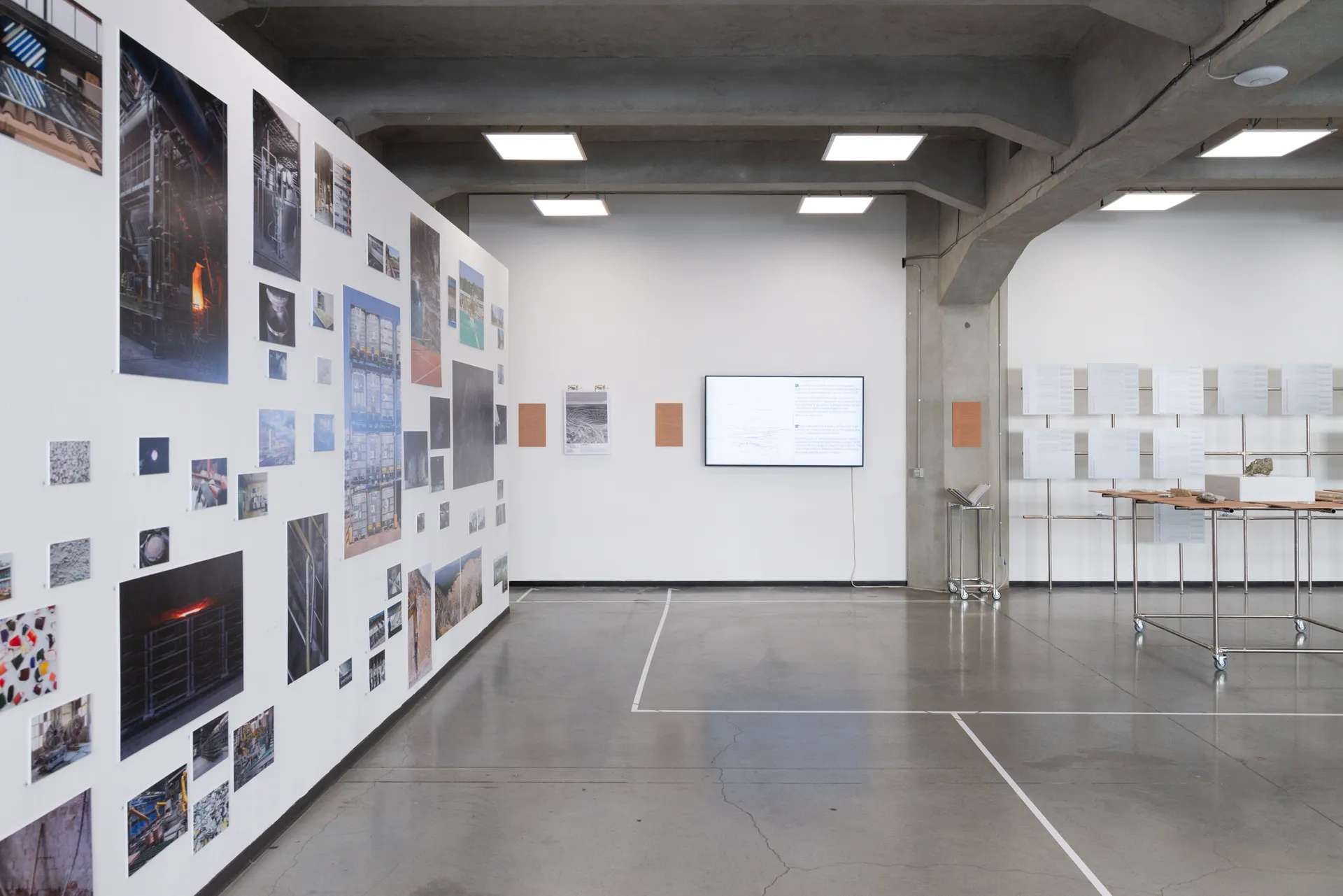
Chemical Bonds is the result of five months of in-depth research conducted across Romania, involving visits to over 20 factories, and discussions with industry experts. Its starting point, as with past iterations of Design Signals, was the research of sociologist Norbert Petrovici. His work revealed an industry shaped by 50 years of profound transformation. Once integrated into a socialist economic system where production chains were tightly connected, the sector is now fragmented, vulnerable, and heavily dependent on imports.
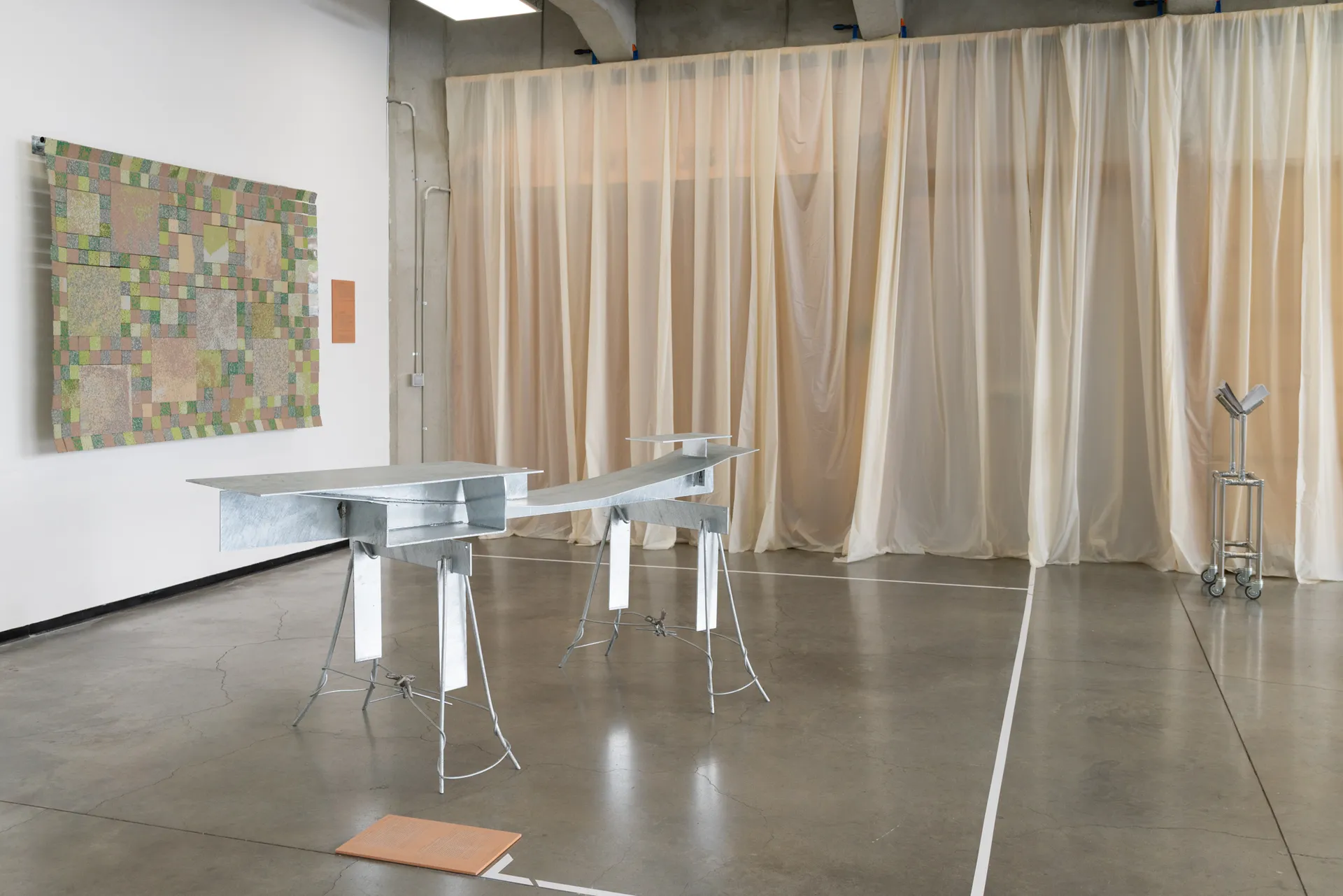
1/4
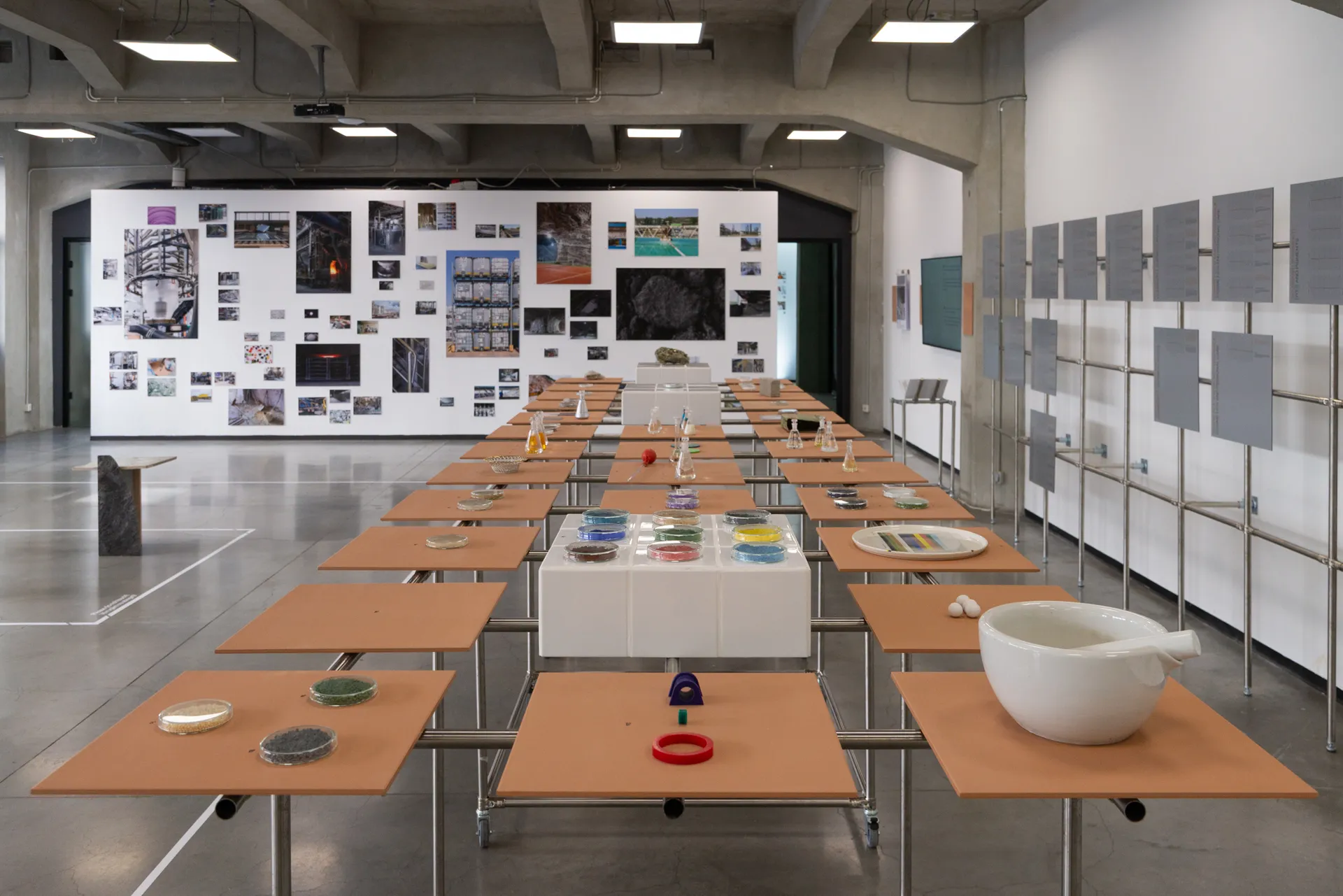
2/4
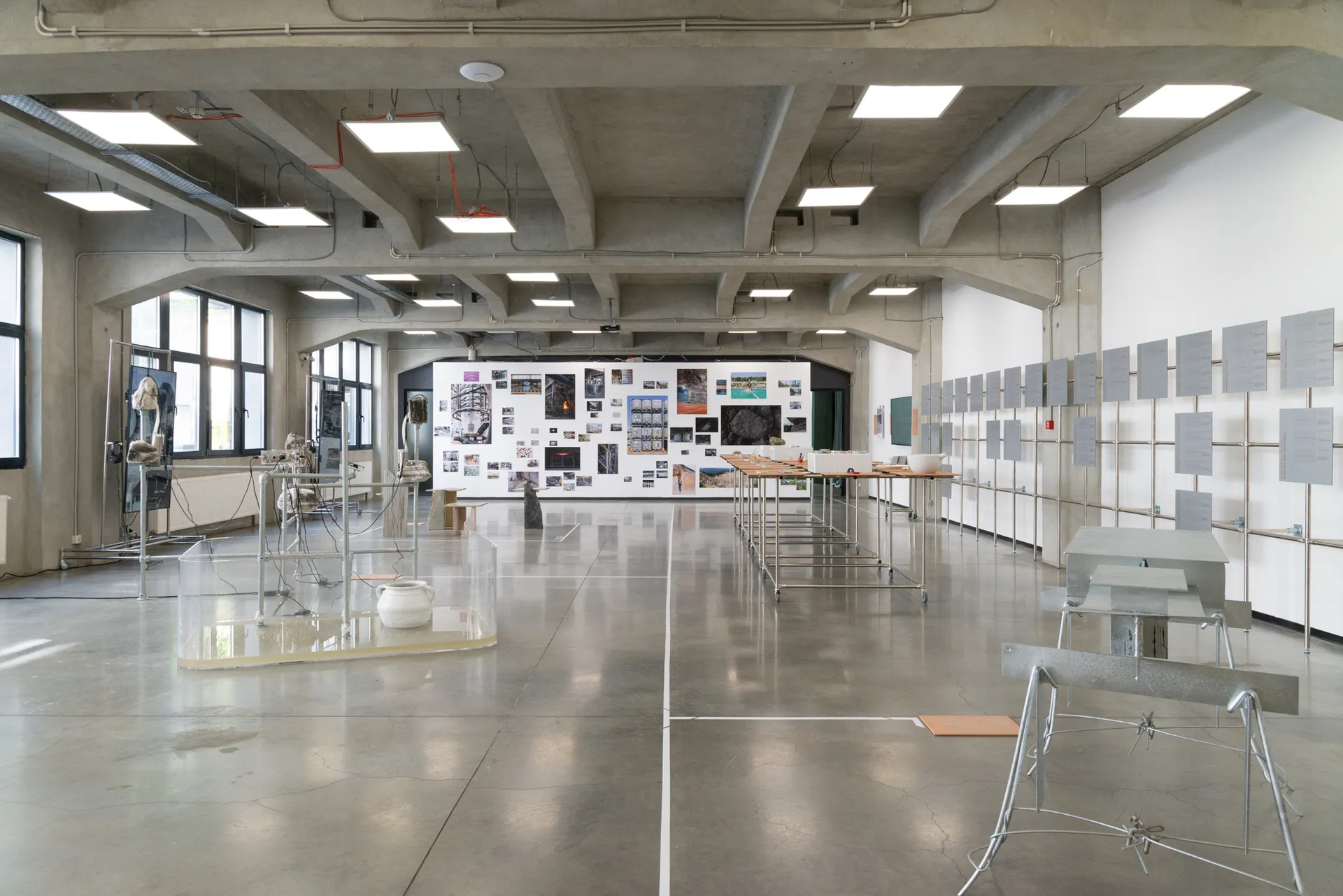
3/4
4/4
The exhibition brought together a diverse range of commissioned works by Romanian and international designers, each responding to the complexities of Romania's chemical sector.
Audrey Large presented Hot Dipped: The Frog and the Sacrificial Skin, a material investigation into galvanic protection that uses hand-sculpted steel and 3D-printed connectors to explore themes of vulnerability and industrial sacrifice. Drawing inspiration from Luigi Galvani's eighteenth-century experiments with "animal electricity", the work reimagines galvanisation as both a chemical and philosophical gesture.
Gaia D'Arrigo’s interactive installation, Salt in Motion: The Body's Ionic Exchange, traces salt from Romanian mines through its industrial and therapeutic uses, employing a halogenator system and reconstructed historical vessels to connect bodily experience with industrial ritual. The project explores themes of material duality, the tension between salt's toxicity and its benefits, the invisibility of industrial supply chains, and the cultural and bodily rituals that have shaped human relationships with this essential mineral across millennia.
Andreea Tron’s Uncommon Material: Plastic Futures in Decay transforms rejected batches of compostable bioplastic from Romanian manufacturer Promateris into architectural and textile surfaces, challenging perceptions of waste and material lifespan. The work questions how to design with a material not meant to last forever and explores what aesthetic and functional possibilities might emerge when industrial surplus is celebrated rather than concealed.
Benedetta Pompili’s Le Sere: Residues in Twilight takes the form of a series of furniture pieces made from industrial byproducts—copper dust, stone-cutting mud, and galvanisation waste—with ceramic glazes that act as chemical "pH strips" to reveal the hidden compositions of their sources. It explores material transparency, the politics of industrial secrecy, and the latent value embedded in waste, transforming toxic residues into objects of care and resilience.
“I would like visitors to leave, first and foremost, with a more nuanced understanding of the chemical industry,” said FABER director Oana Simionescu in an interview with Press One. “It is a sector we talk about very little, although it is present in almost every aspect of our lives. If visitors leave understanding better how this industry works and what role it plays in the economy and in society, I already consider that a gain.”
Chemical Bonds offered visitors to BDF an opportunity to understand the systems that shape the world, leaving with no neat solutions, but instead with curiosity and questions. As the exhibition spans beyond Timișoara to explore Romania's industrial past, present, and future, it was fitting that it formed part of the inaugural edition of an exciting new design festival held in the country's capital of Bucharest.