
Gabriela Rada
Fashion designer

Maria Dombrov
Fashion designer
Maria Dombrov, Gabriela Rada
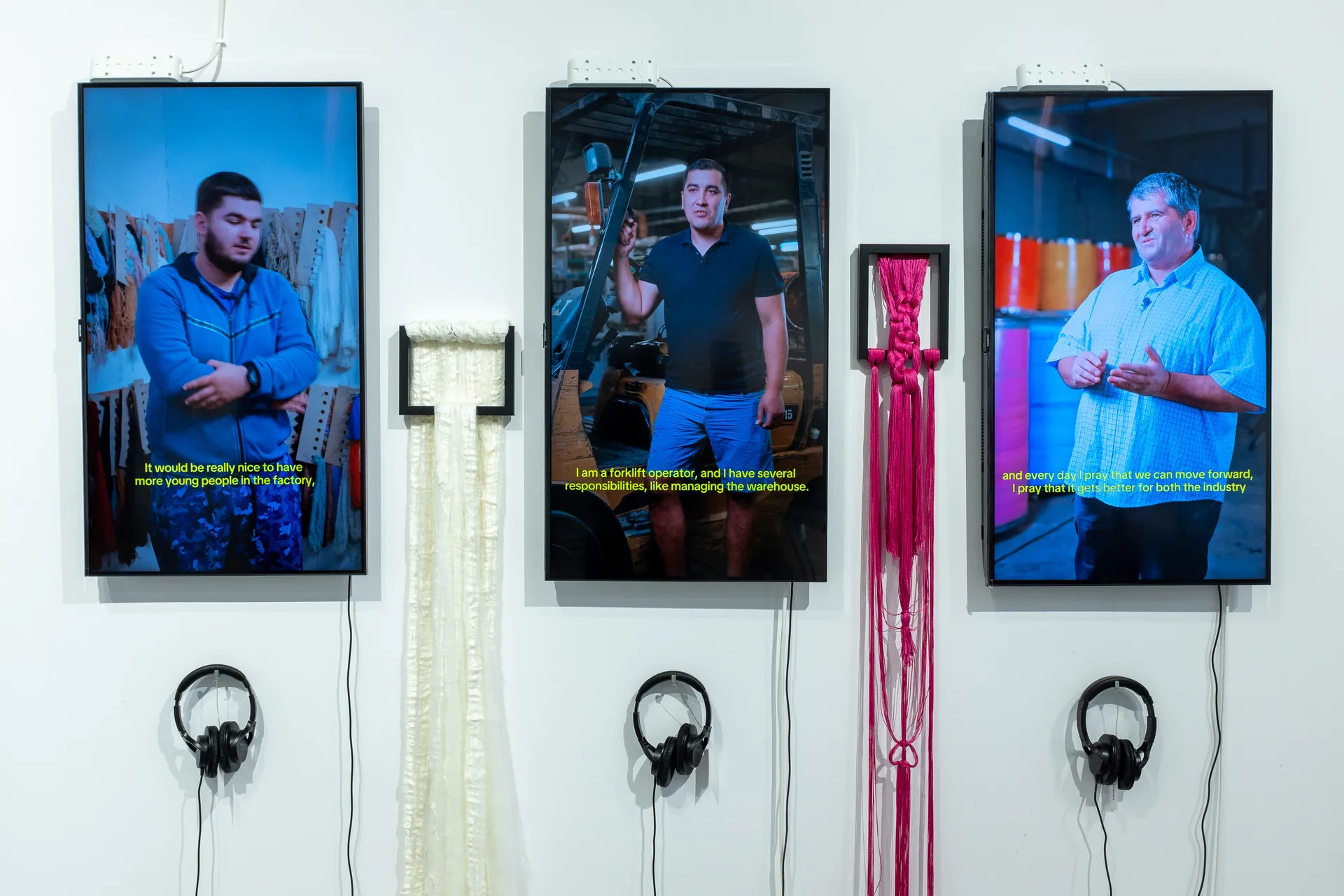
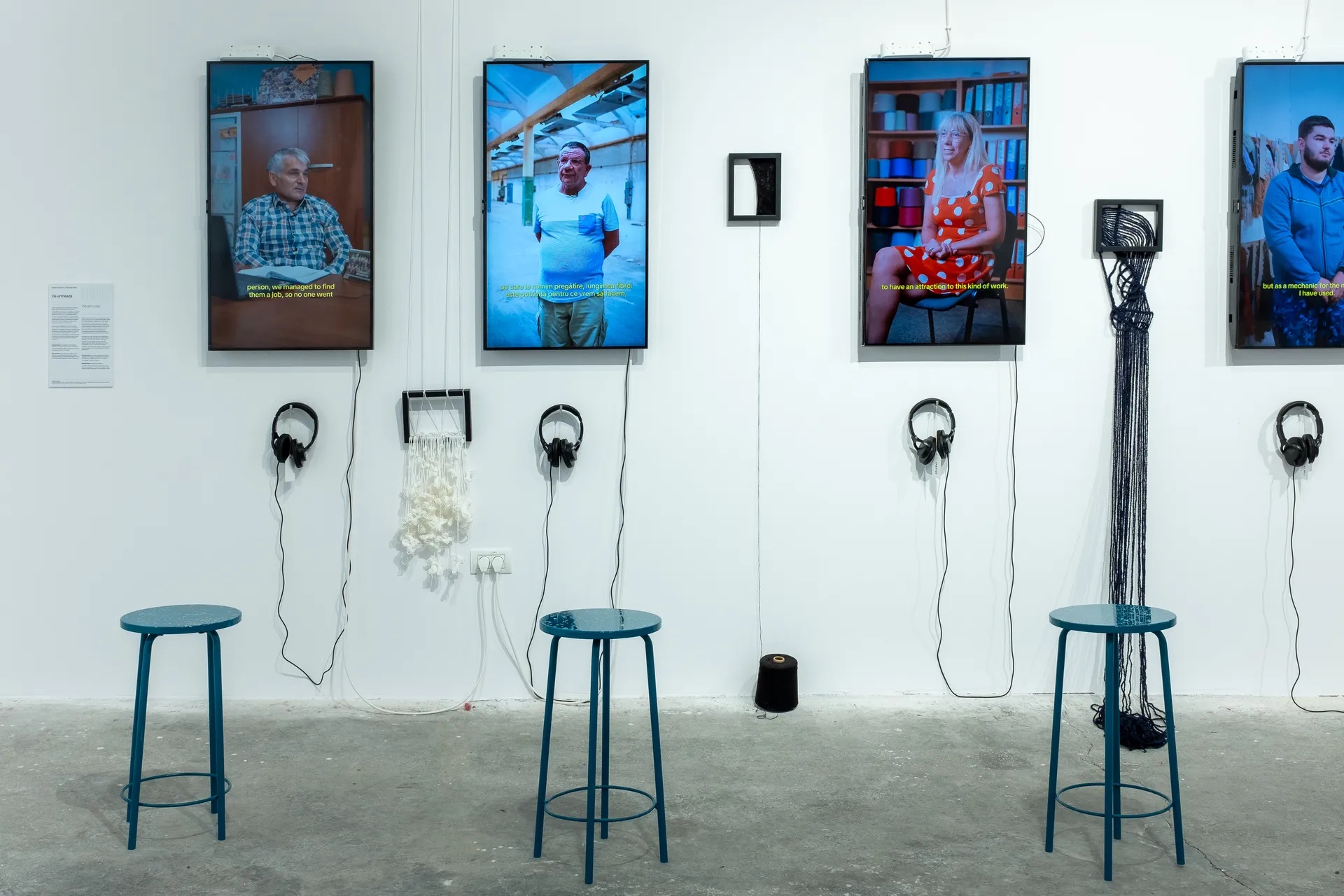
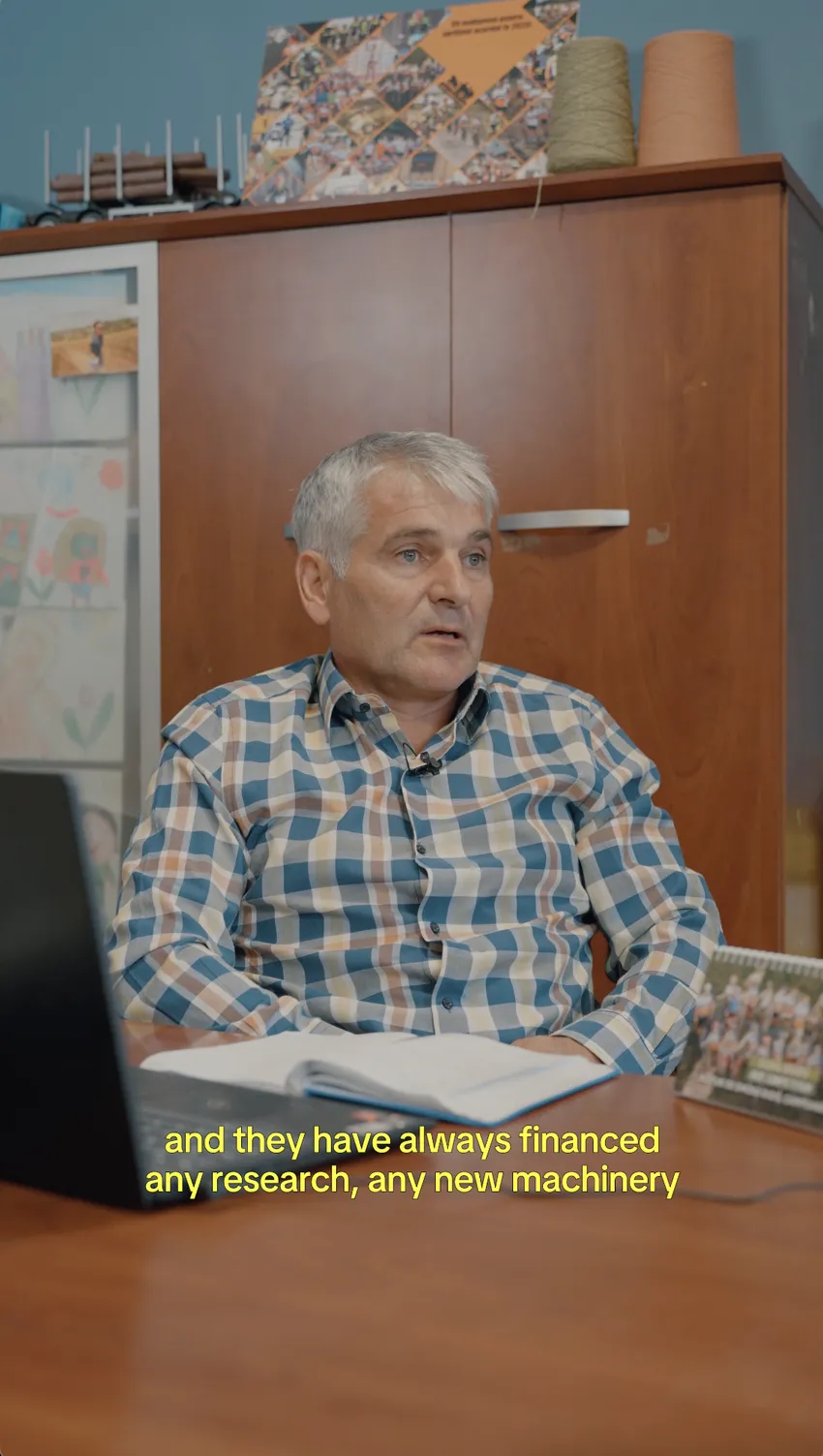
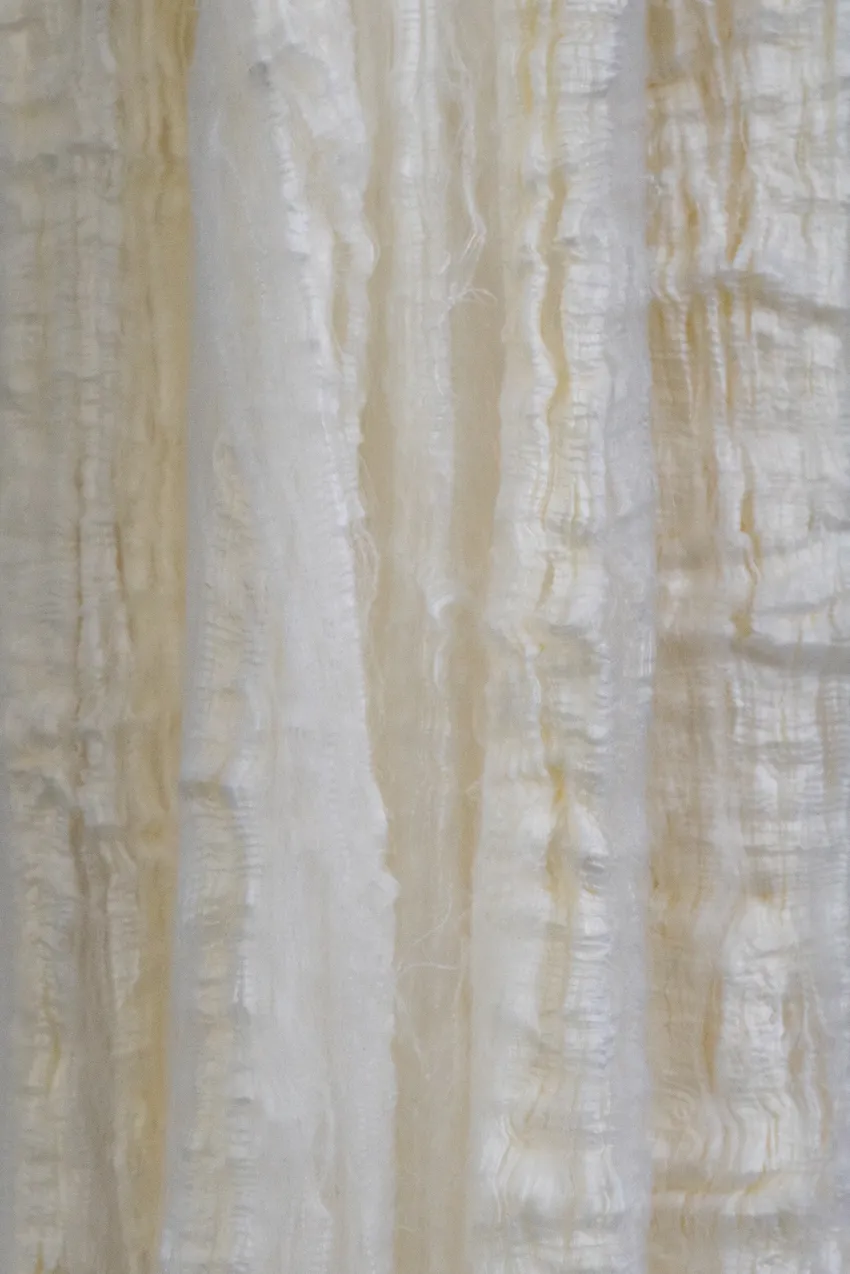
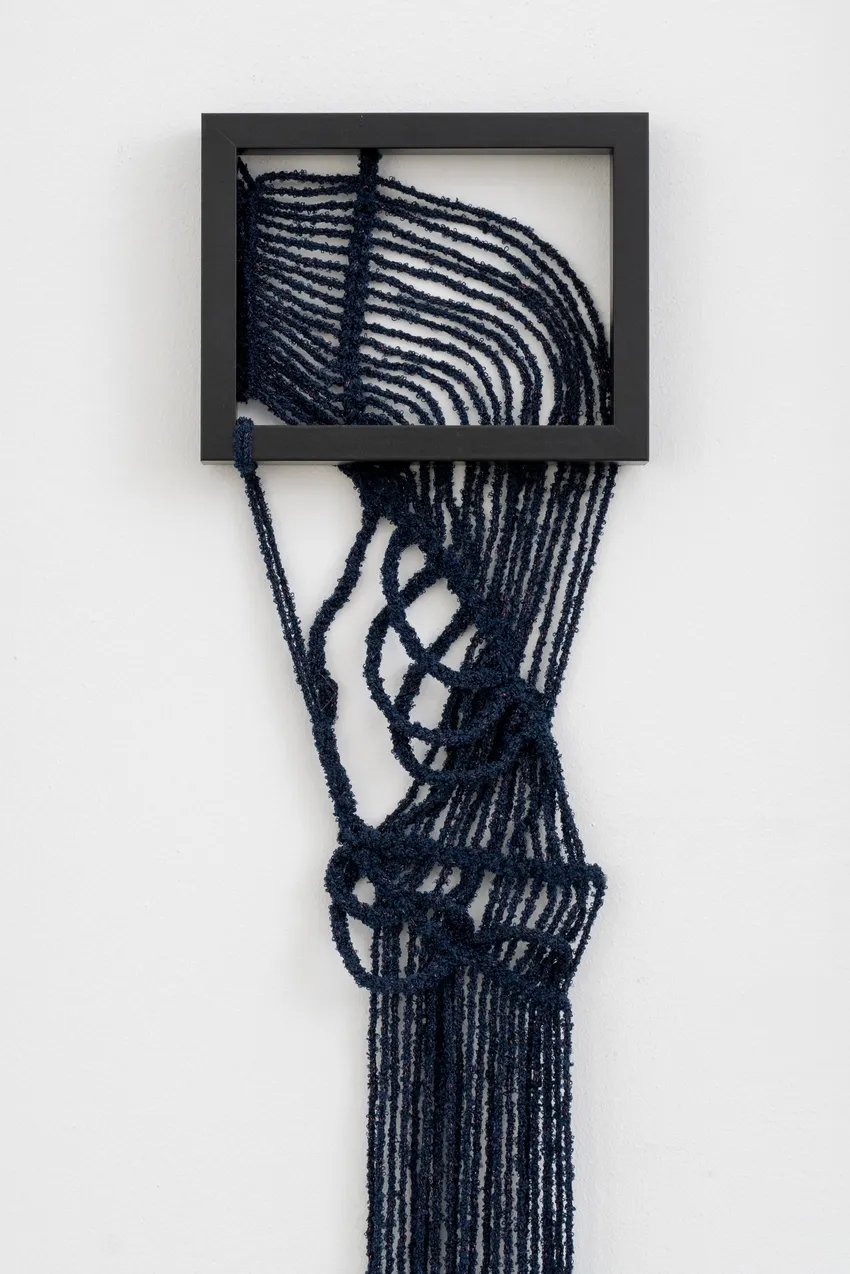
”What’s Next” unravels the human side of the textile industry, focusing on the Uniunea Tehnologiilor Textile (UTT) spinning mill in Timisoara—one of Romania’s last remaining industrial knitting yarn producers. Through interviews with eight factory workers, the project traces the relationship between the workers and the threads they handle daily. Each narrative captures the workers’ personal experiences, knowledge, and perceptions, offering a broader understanding of the industry’s impact on their lives.
By exploring the symbolic and cultural significance of thread, the project highlights how thread weaves together community and memory, challenging the notion that the textile industry’s value lies solely in economic efficiency. While the economic sustainability of the UTT spinning mill remains uncertain, ”What’s Next” serves as a testament to the enduring legacy and cultural heritage of Timisoara’s textile sector.
Whats Next - Video Interviews
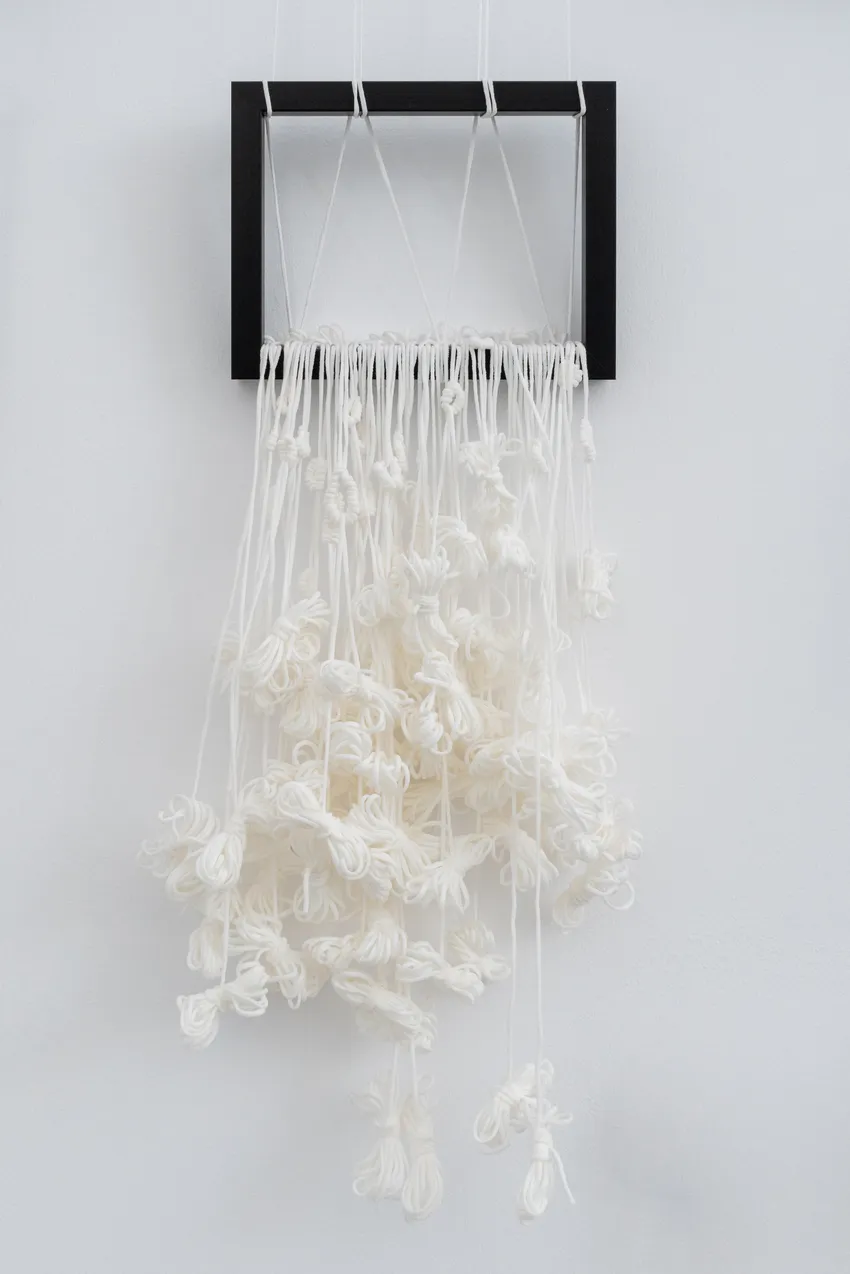
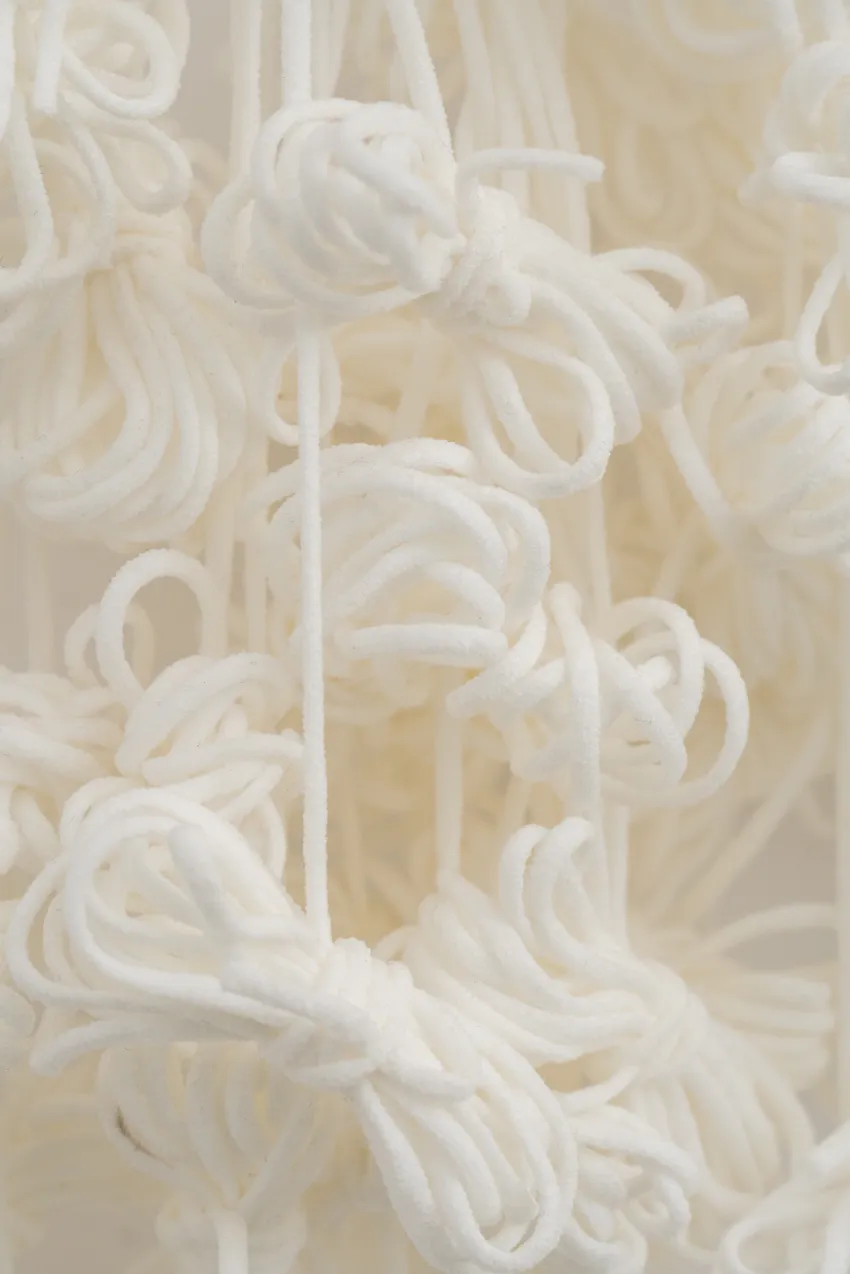
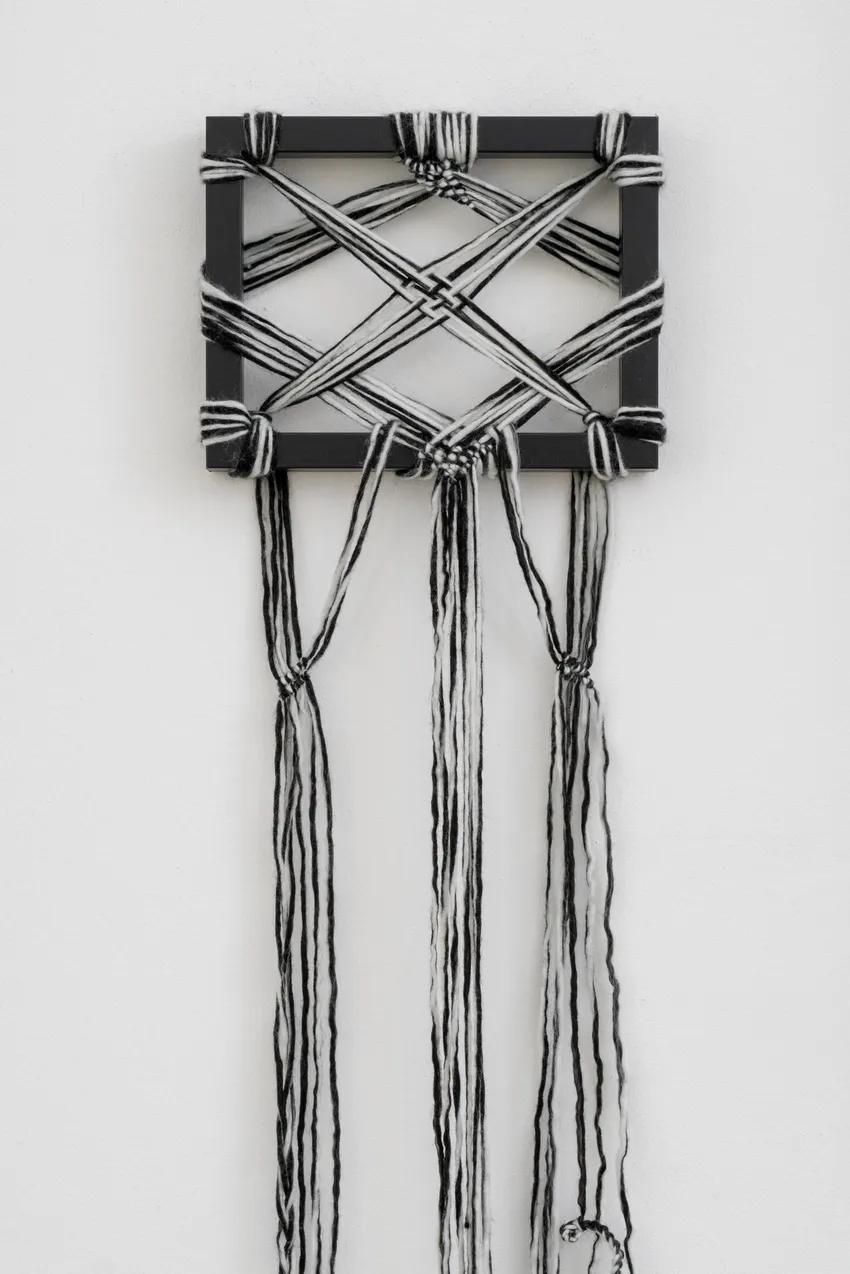
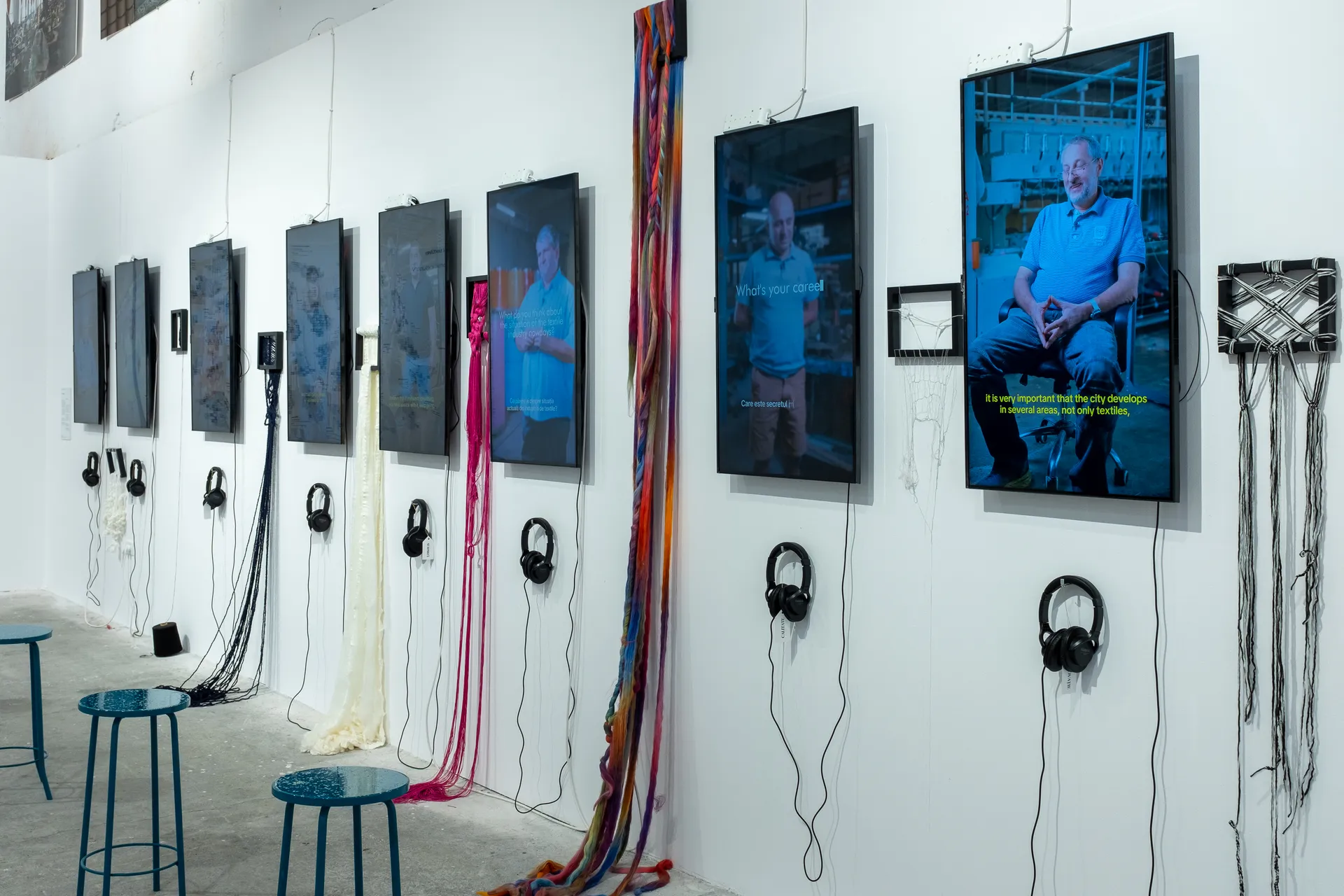
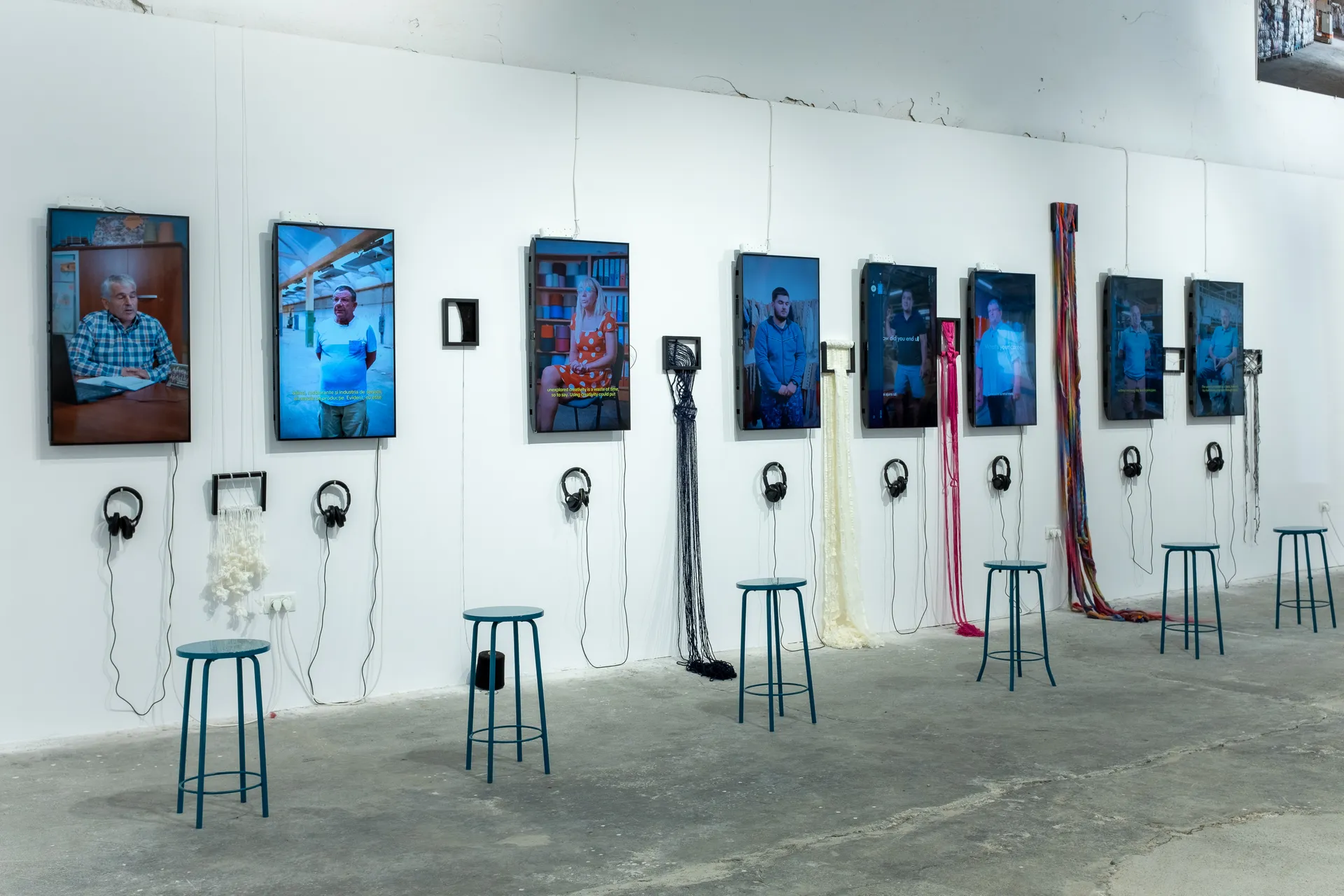
In What’s Next , video interviews with eight UTT workers are each presented alongside a specific type of yarn selected to capture the essence of the interview subject and their work at the factory. Here, Rada Maria Gabriela explains the connections.
1/3
2/3
3/3
Infinity
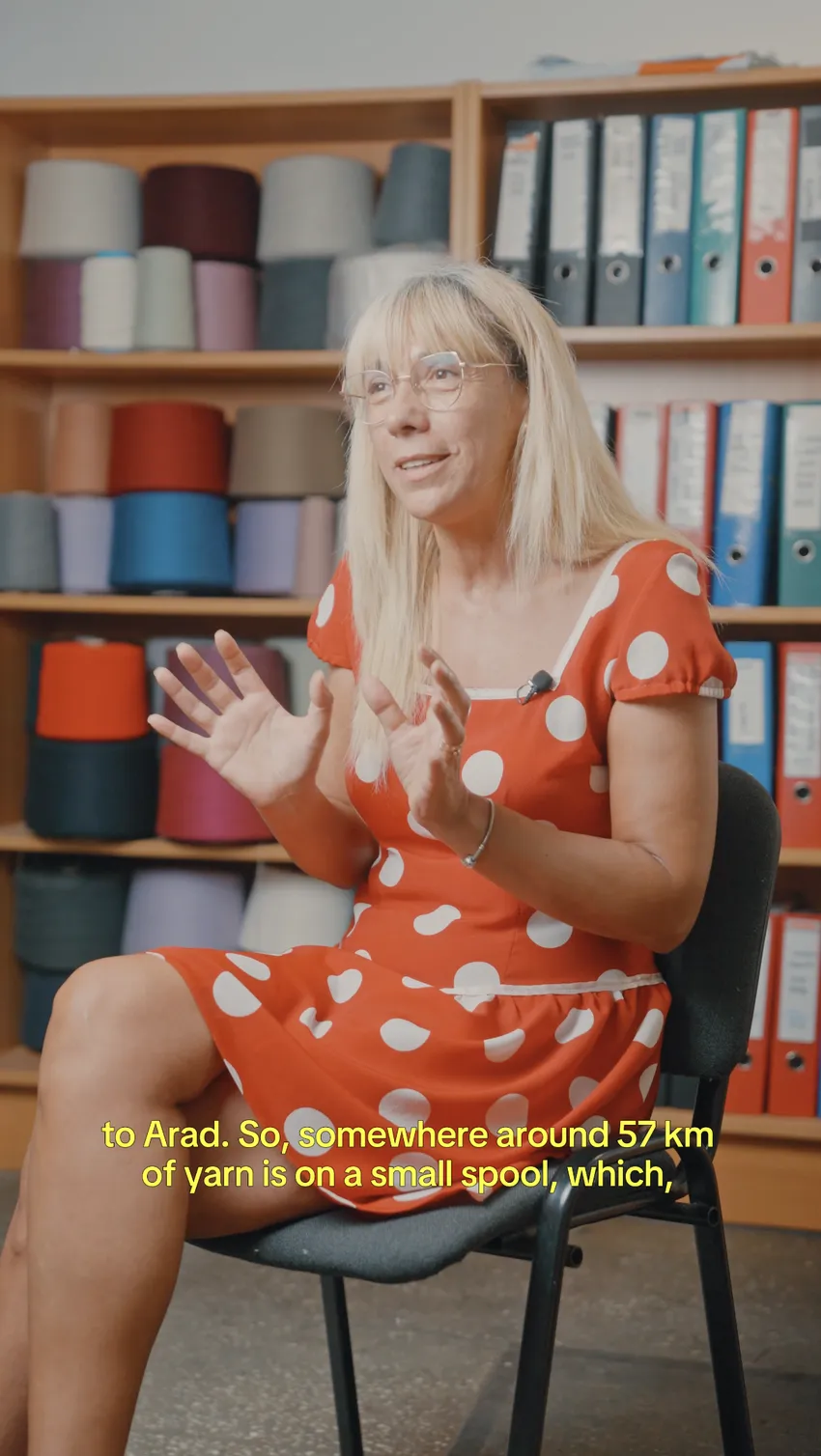
In her interview, Gianina discusses fashion and shares personal stories. She mentioned that one spool of yarn, if unwound, stretches the distance between Timișoara and Arad. This insight led her to believe that yarn can represent something infinite. We chose the word ‘infinity’ to encapsulate this idea, represented by a special, sparkly yarn. ‘Infinity’ also reflects the limitless possibilities UTT has in production; when UTT mixes yarns to create special effects, it can produce countless new options.
Reactivity
Francois is the administrator of the factory who taught us about reactivity. We associated him with the elastic yarn because UTT adapted its machines to produce elastic during the pandemic, addressing the significant demand for elastics for masks at that time. At the time, factories producing masks faced a shortage of elastic, as it wasn’t manufactured in Romania and had to be imported from China, Turkey, and other distant locations, resulting in long waiting periods of one to two months. Given the urgency, UTT decided to try producing it in Timișoara, successfully meeting the local need. Thus, ‘reactivity’ not only describes Francois but also represents the proactive approach we adopted at the factory in Timișoara.
1/3
2/3
3/3
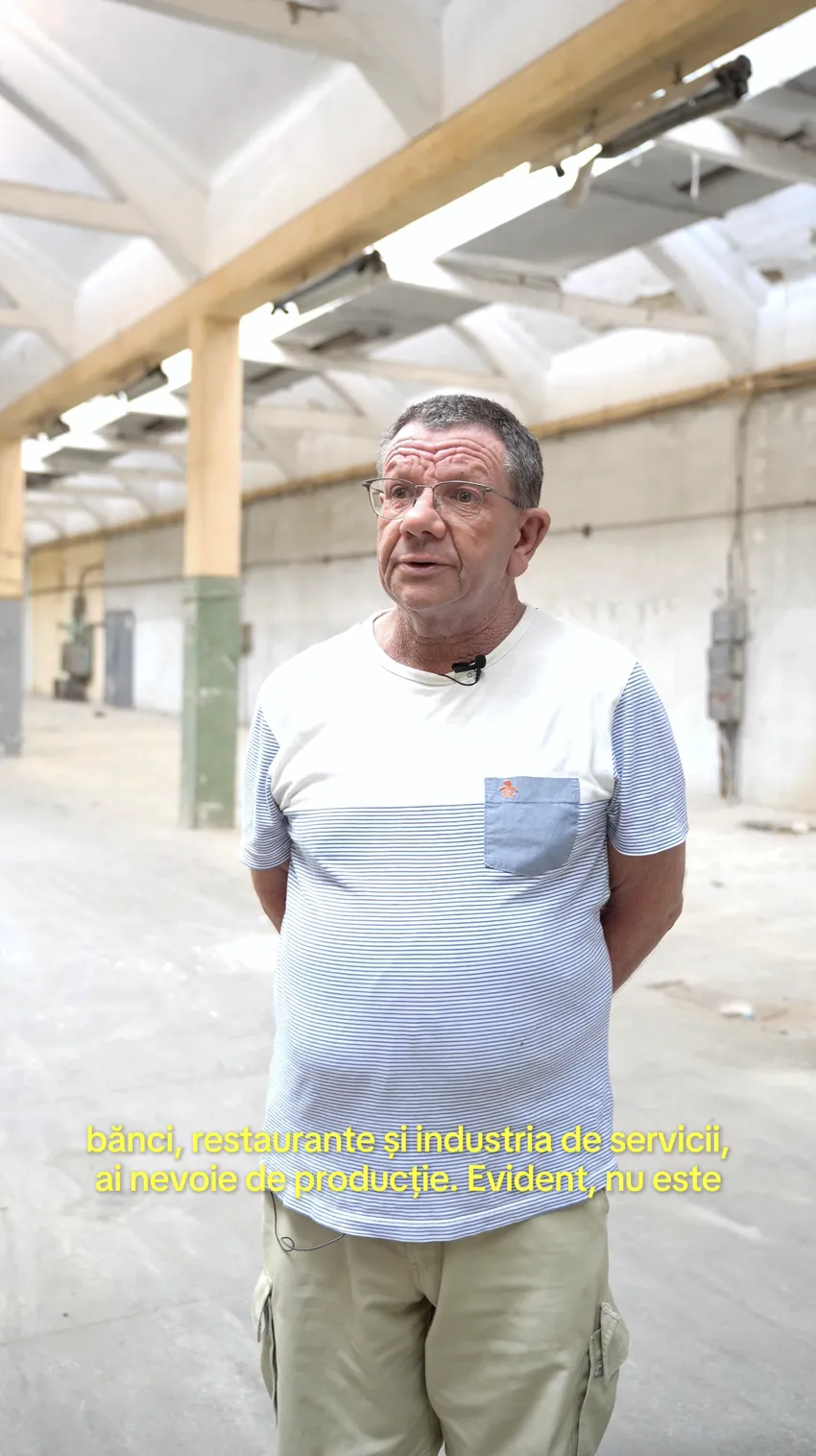
Uniform
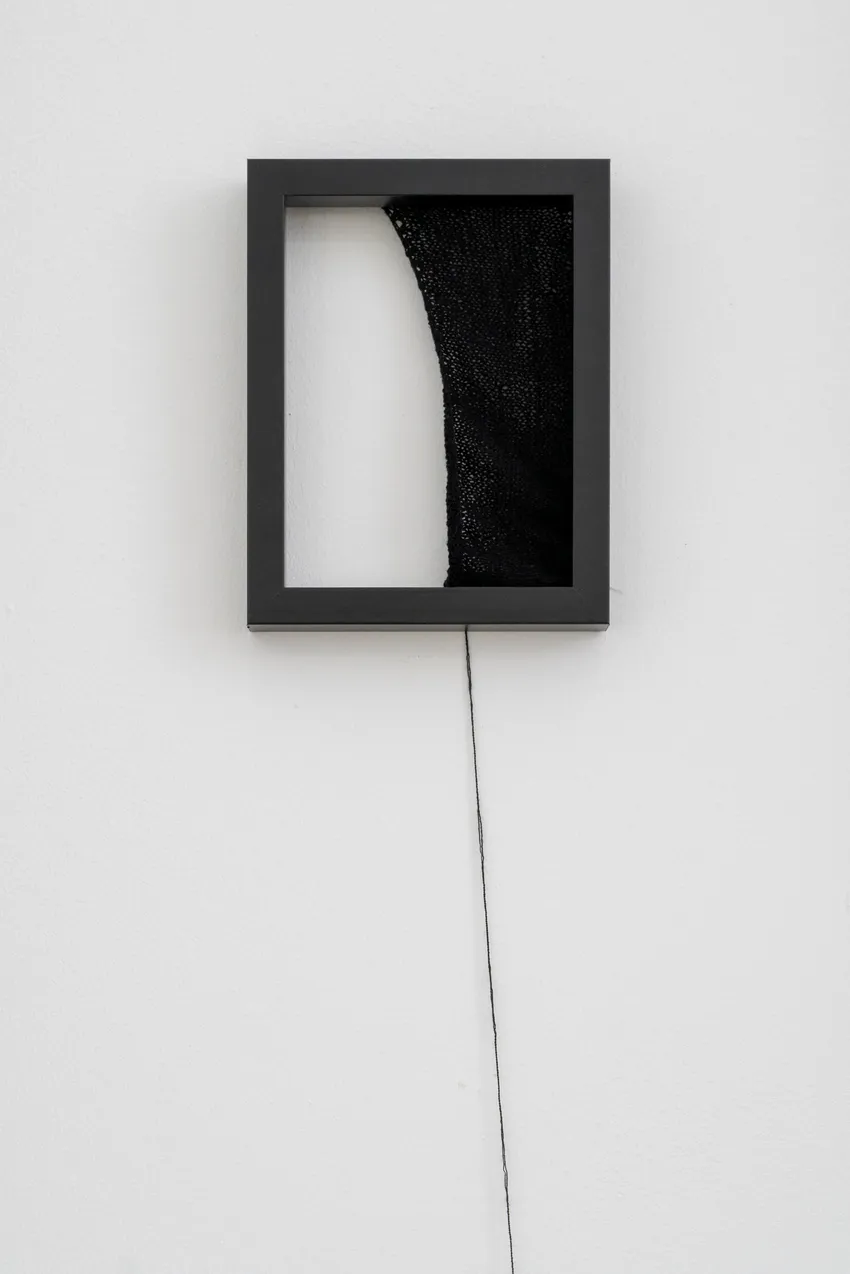
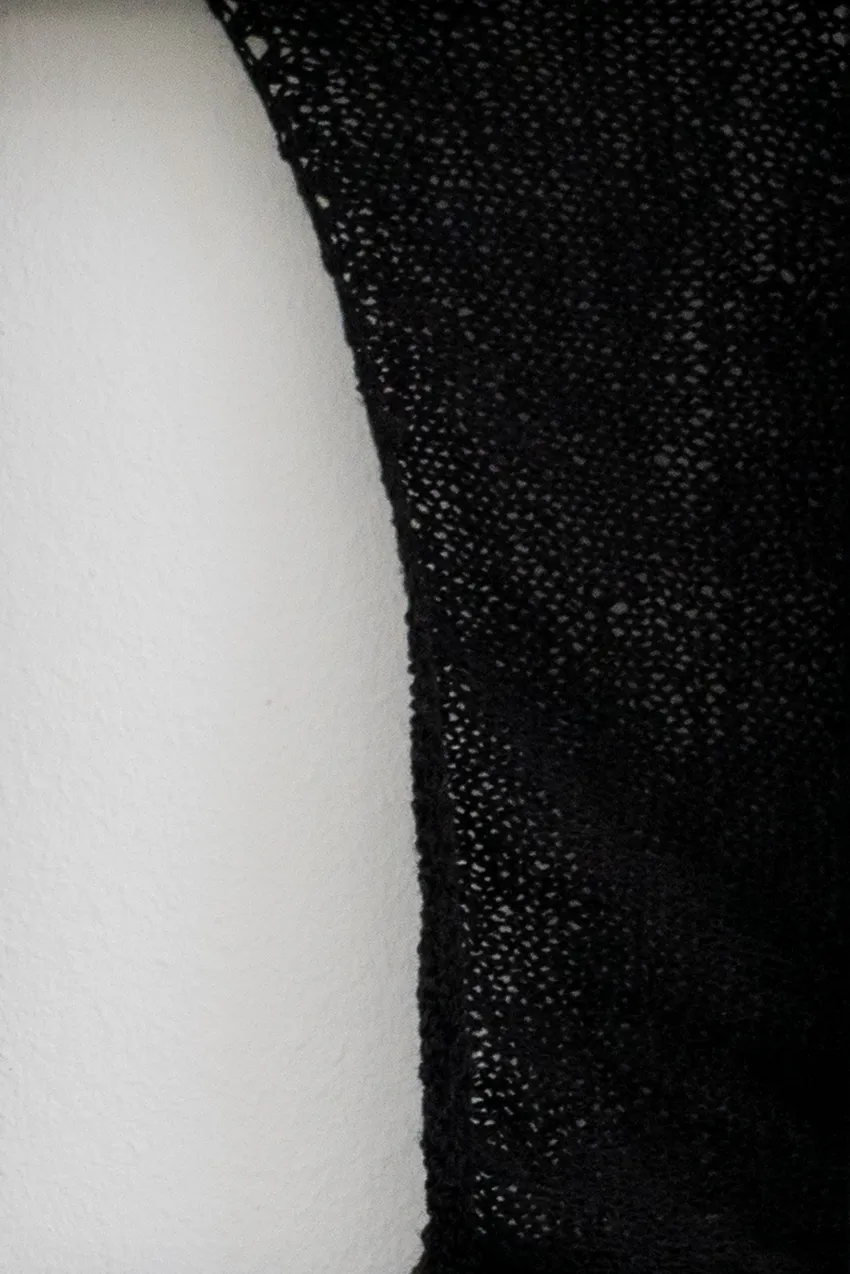
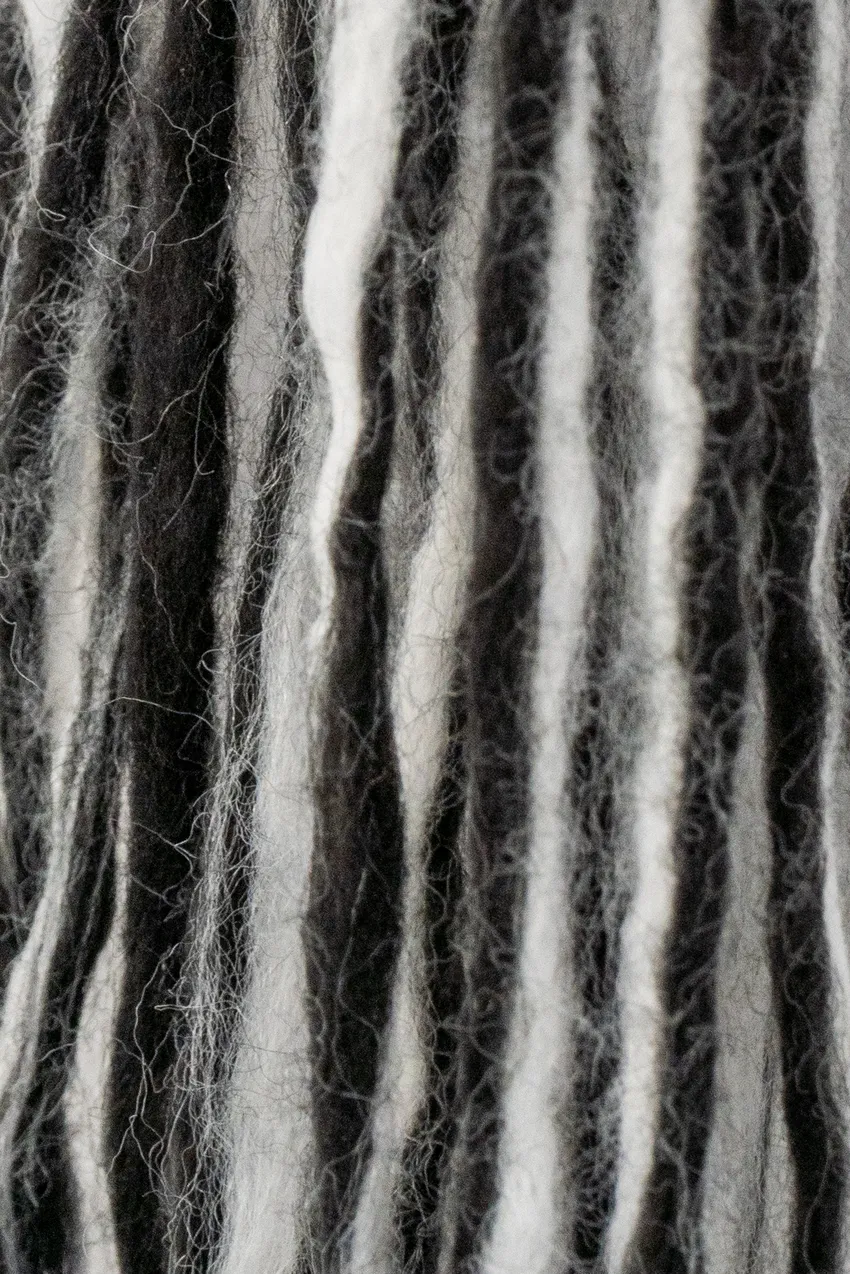
The production manager, Gary, is from England and has worked for over 20 years at UTT in Timișoara. He prefers when everything is running smoothly, and he’s happiest when there are no problems. We associated him with a black acrylic yarn (3009-100% acrylic HB, NM 2/28), which is UTT’s most basic and top-selling product. This yarn is the easiest to produce and sell. The word ‘uniform’ was chosen to describe both his approach and this yarn.
1/3
2/3
3/3
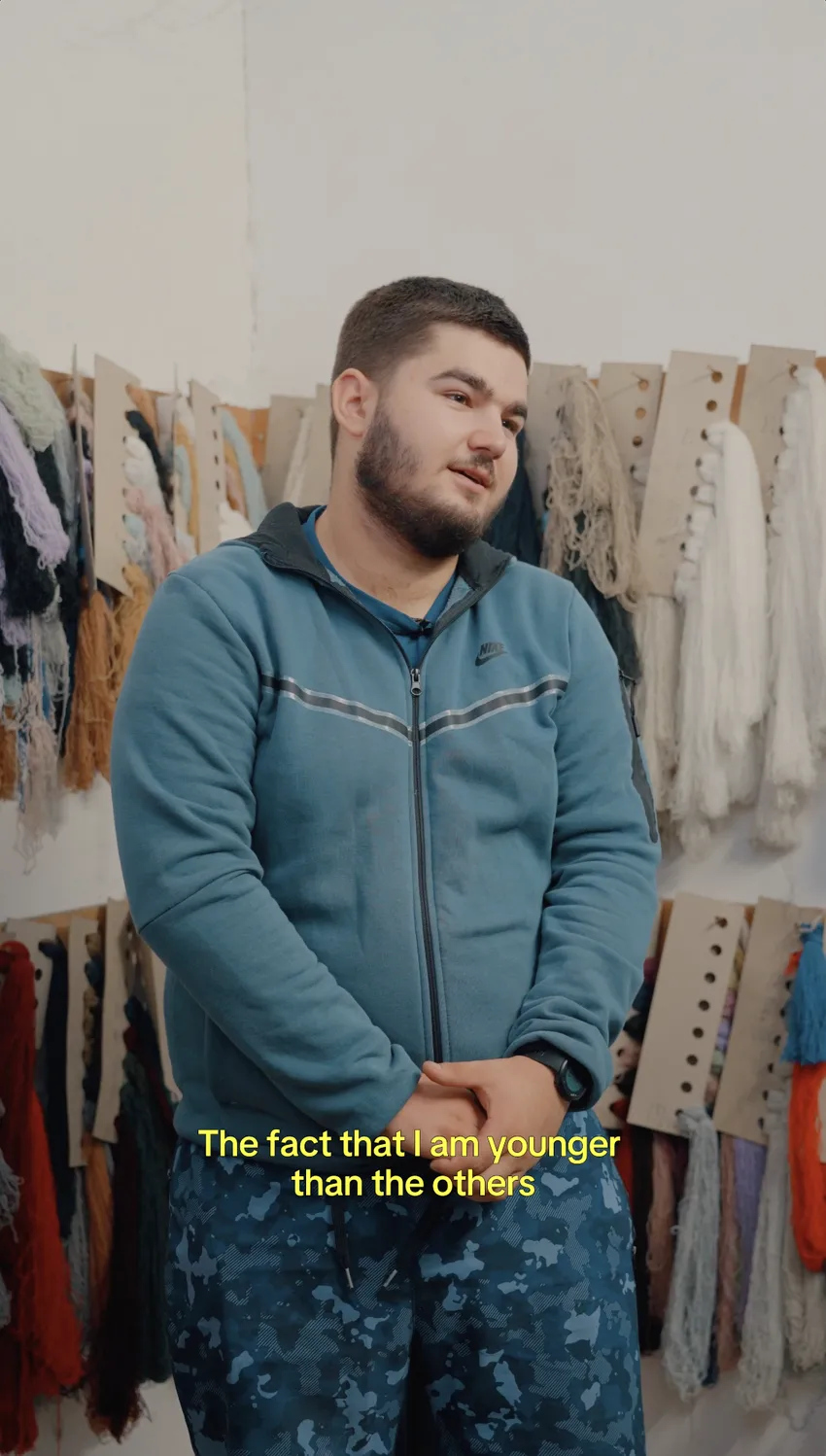
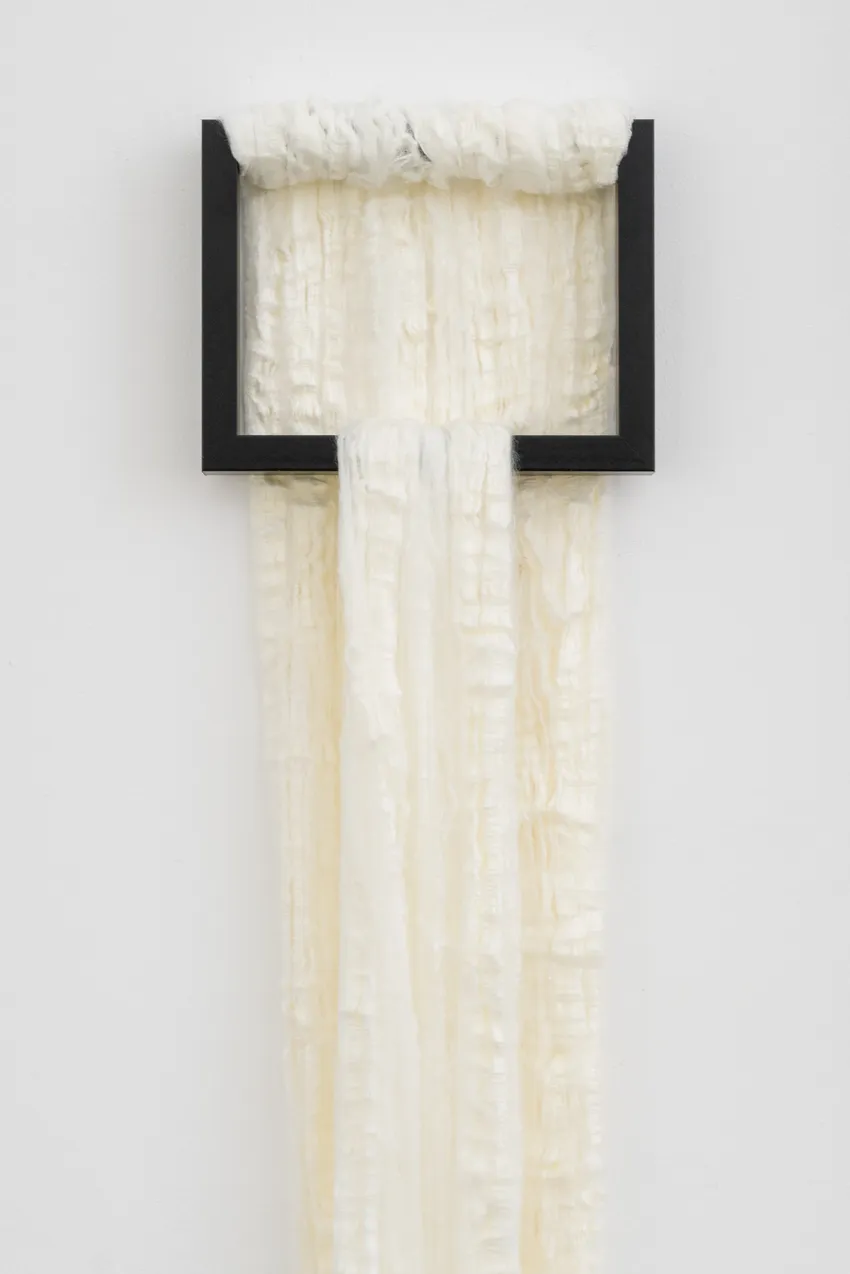
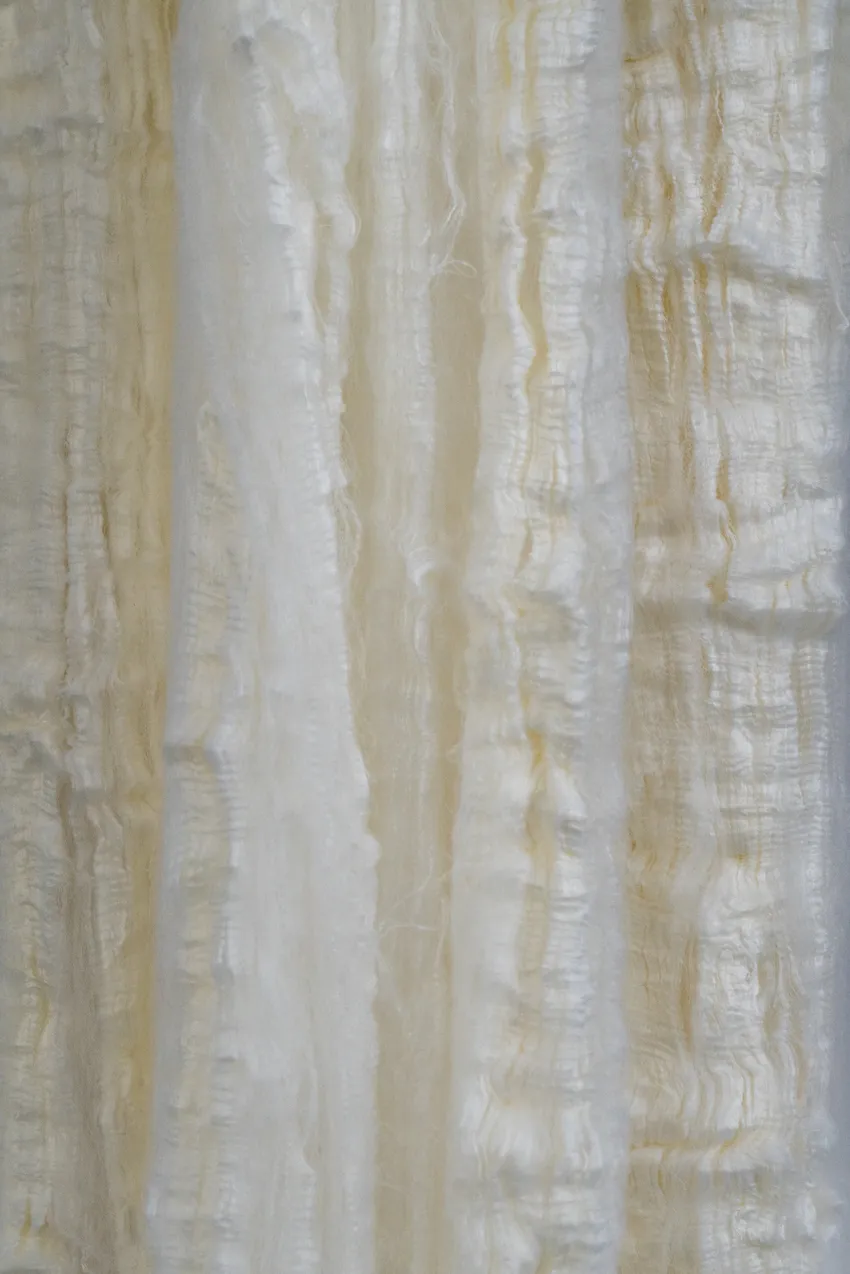
Raw
Denis is UTT’s youngest employee, having worked at the factory for two years. We associated him with the raw material used at UTT, which represents the first stage of production—how the material arrives at the factory. This raw material is made from petroleum and comes in large quantities, often weighing several tonnes. The word that describes both him and the material is ‘raw.’
1/3
2/3
3/3
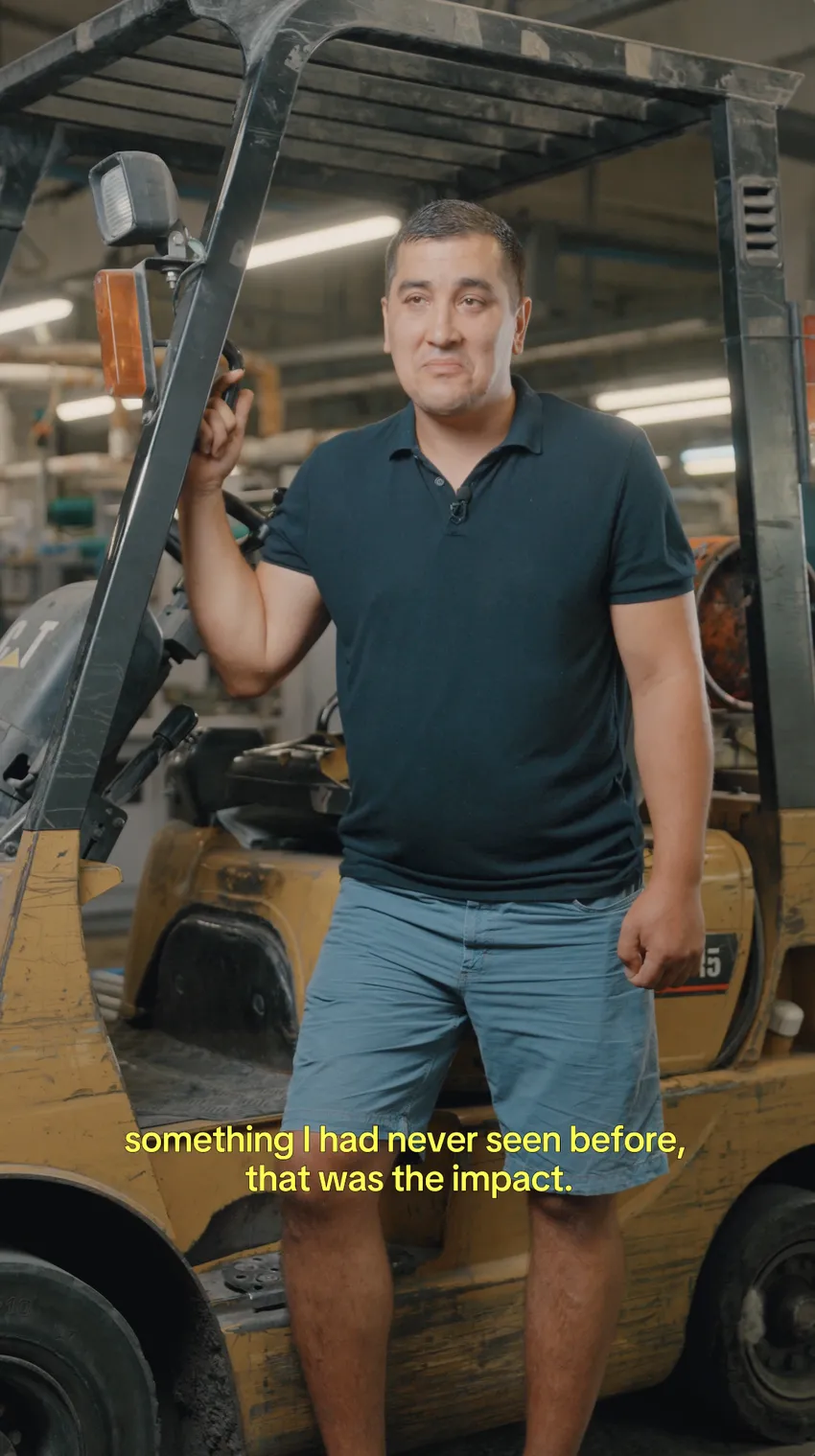
Surprise
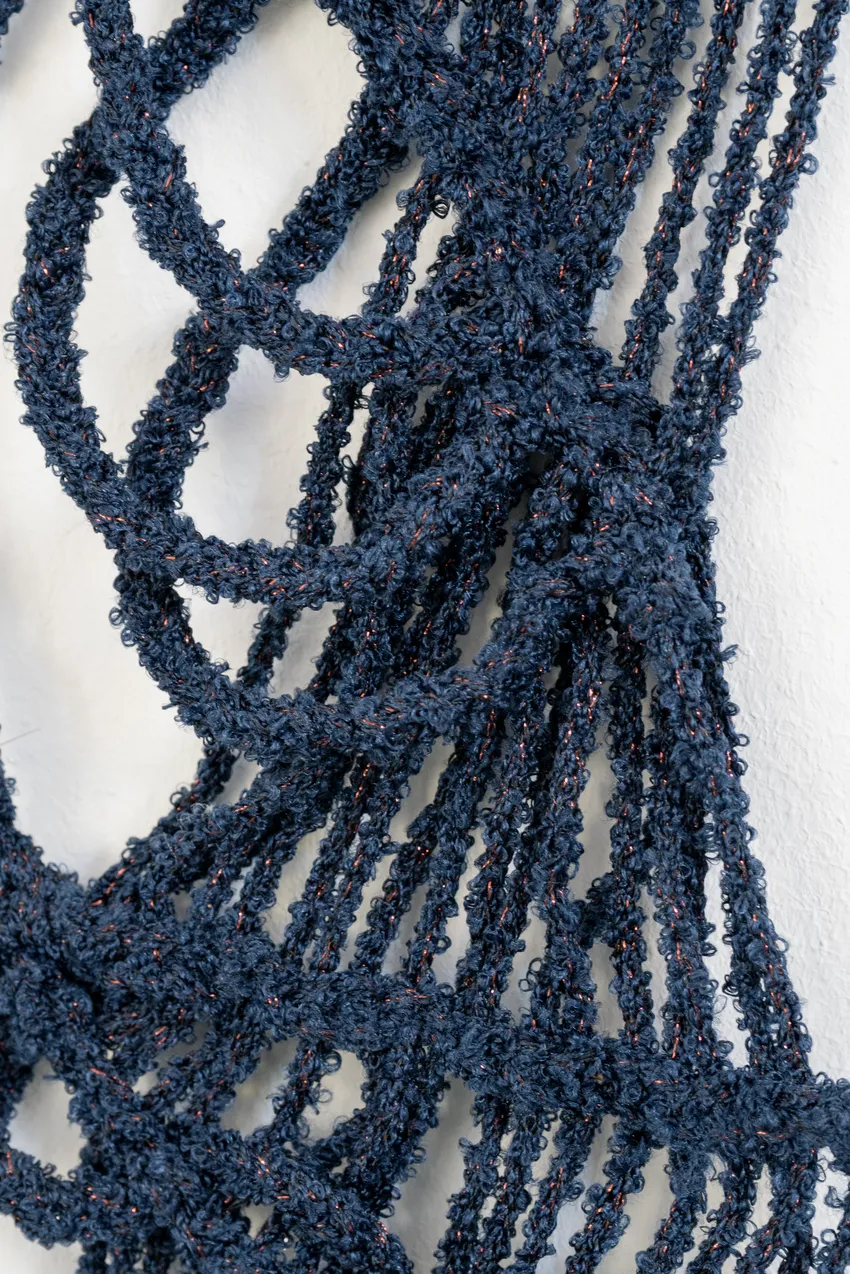
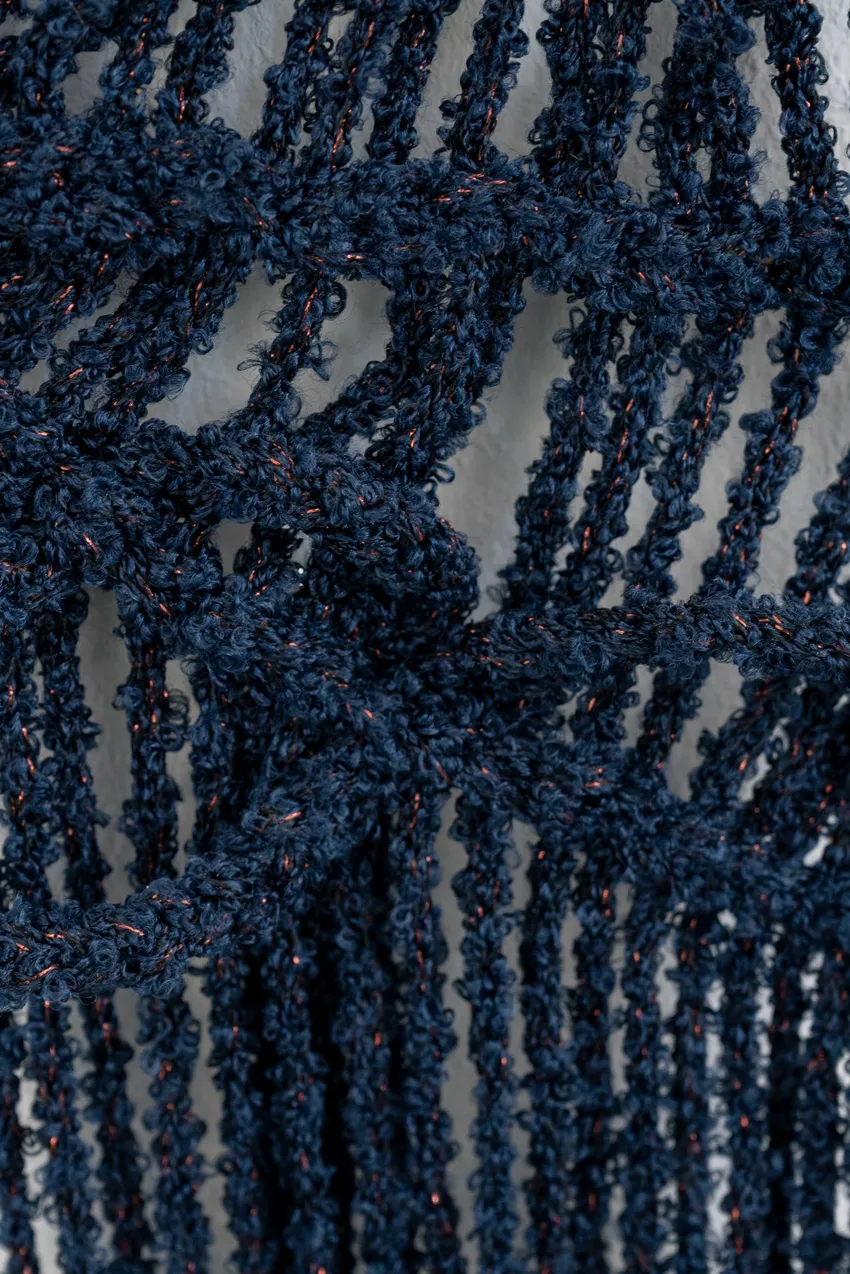
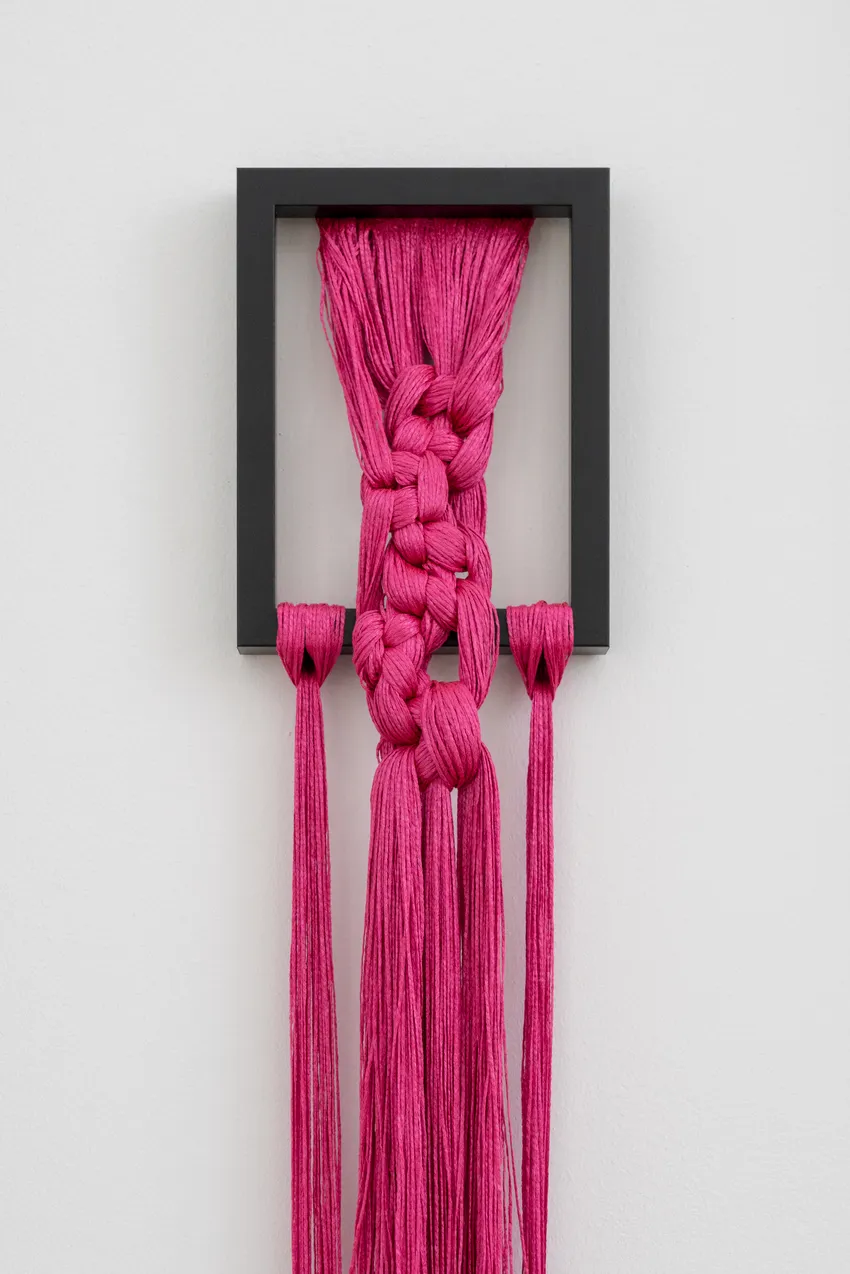
In his interview, Florin shared that on his first day at the factory, he was shocked by the enormous machines and advanced technology in use. Over time, he was not only able to work on these machines but also to understand the entire process, which was a pleasant surprise for him. The yarn we chose is also surprising; it’s quite different from the others. Made on a machine similar to a crochet but on a very small scale, it produces a tiny, circular yarn known as tape yarn in the industry. This yarn is mixed with polyamide, giving it a shiny appearance, resulting in a surprising and unique fabric.
1/3
2/3
3/3
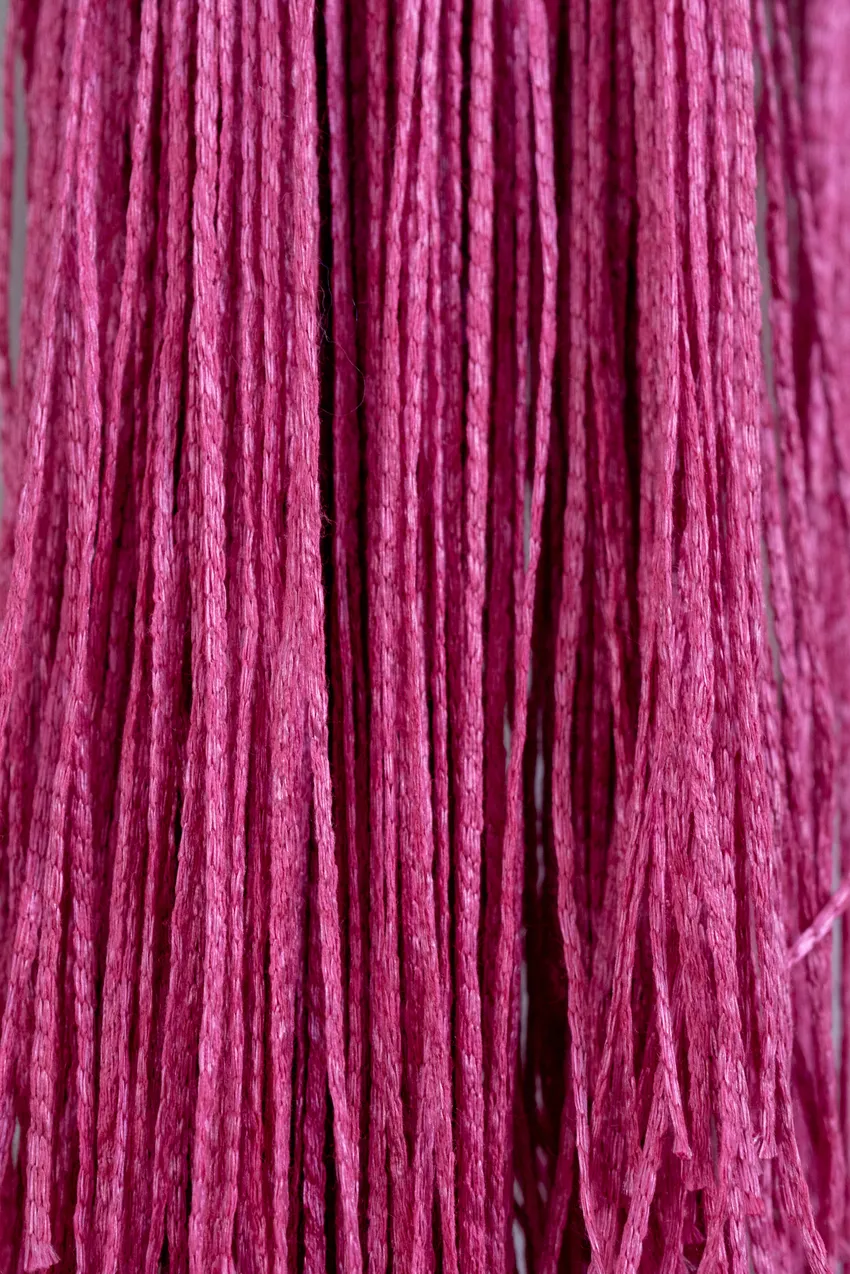
Fashion
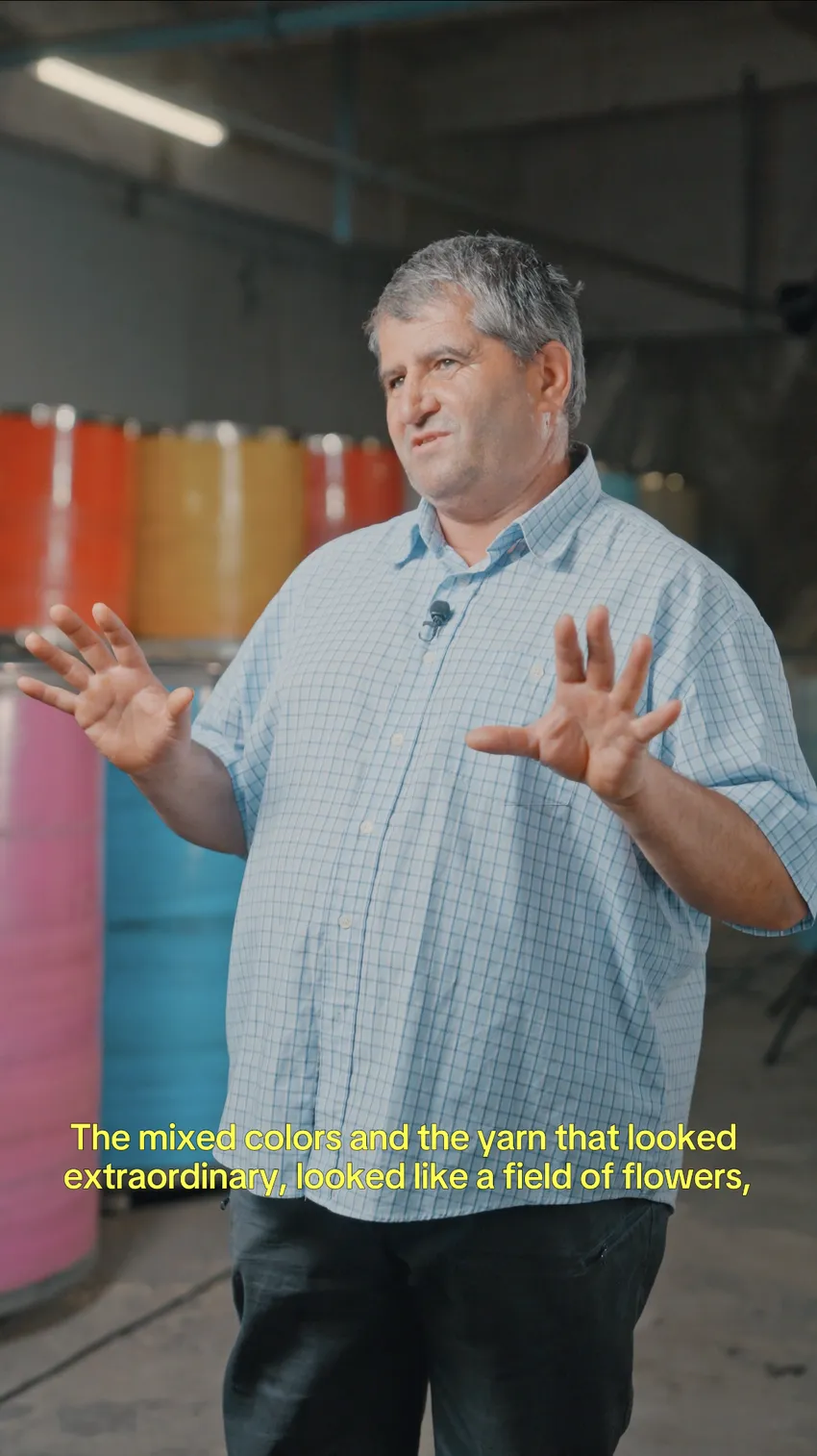
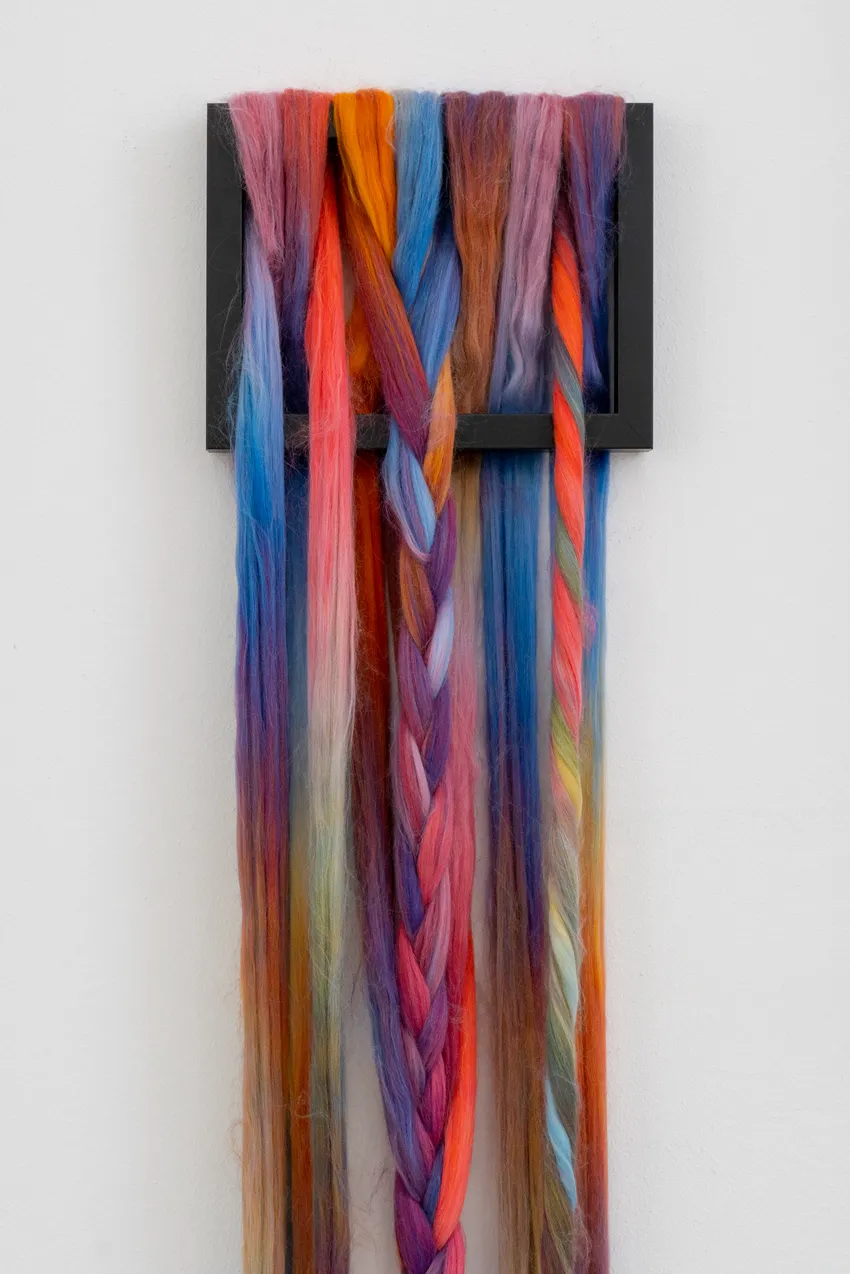
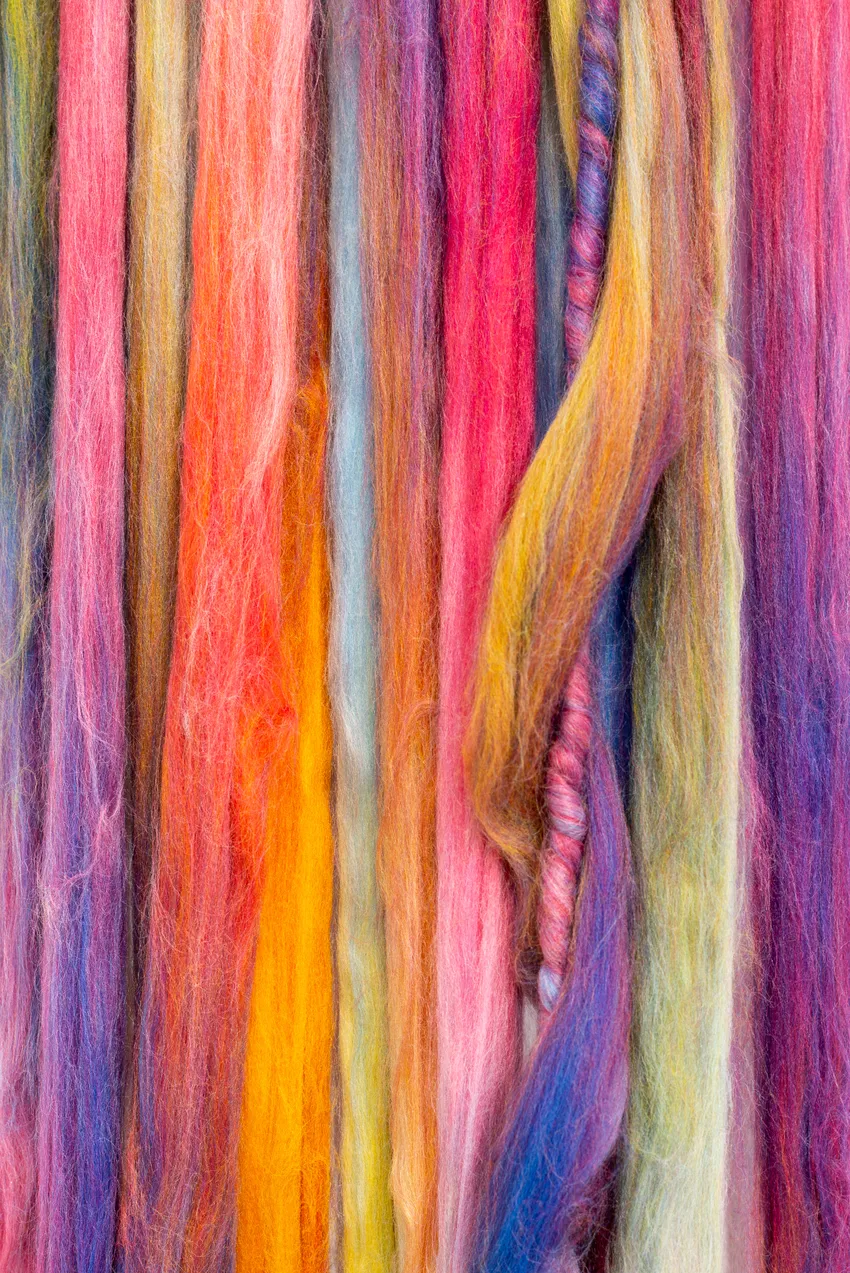
In his interview, Vasile correlated the colours in the factory and the yarns with the fields of flowers he admired in his childhood. He was particularly impressed when he entered the factory, noting that the vibrant colours reminded him of the flowers he used to see while living in the mountains. We saw this as a great opportunity to showcase this type of fibre, which is the next stage of production after raw fibre; our example is already processed halfway. Vasile’s word is ‘fashion’, as UTT’s yarns are widely used in the fashion industry. We felt it was important to highlight this specific, colourful, and highly tactile yarn because everyone wants to see it.
1/3
2/3
3/3
Quality
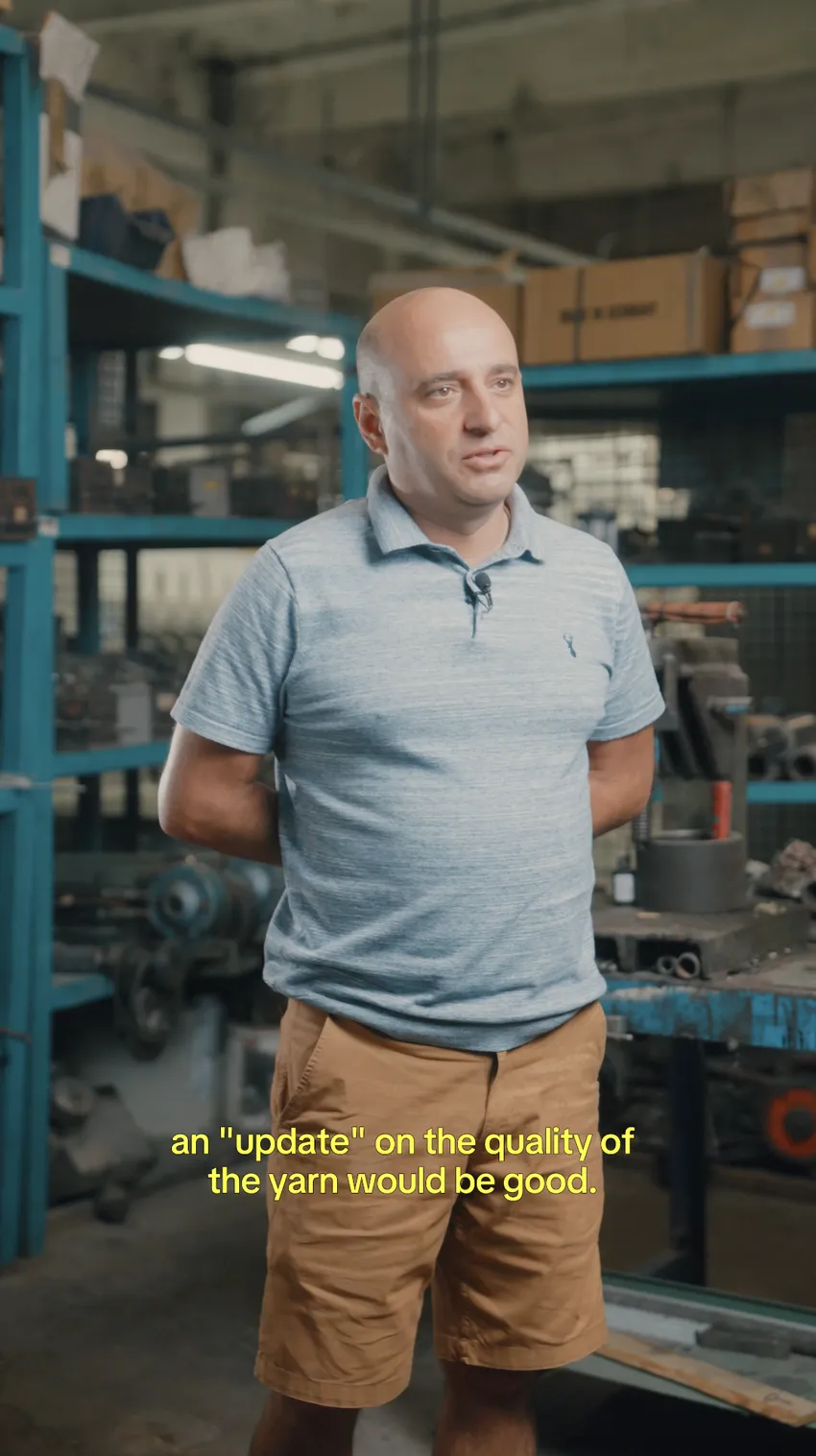
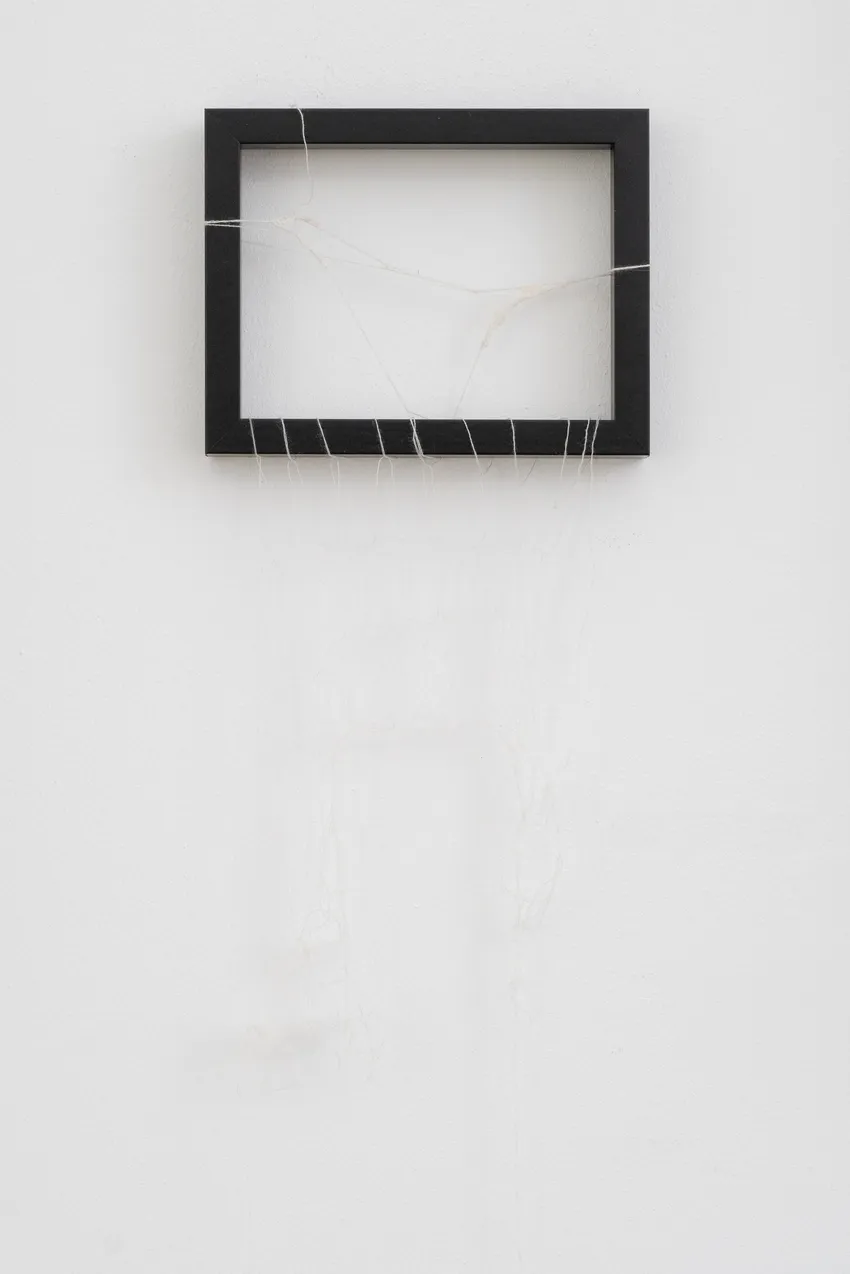
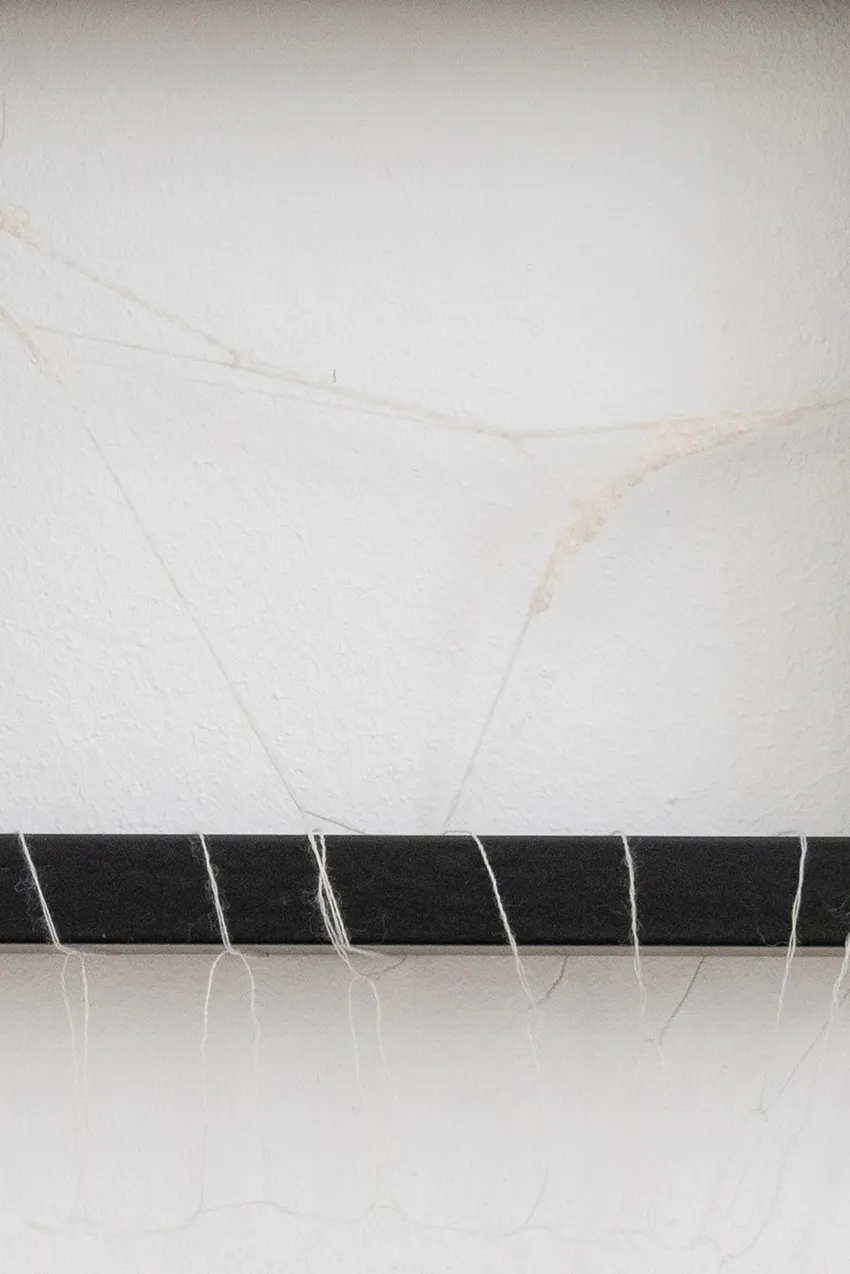
Constantin is an engineer and a mechanic, working with the machines while also focusing on innovation. With his assistance, this year UTT successfully produced the most expensive wool in Timișoara. This yarn is made from 100% wool and is the thinnest count ever produced in the factory. He played a crucial role in adapting the machines to create this more precious yarn, which is more valuable in the market and represents a new product. The word we chose to describe this connection is ‘quality’, reflecting both the high standard of the yarn and his contribution to making its production possible.
1/3
2/3
3/3
Innovation
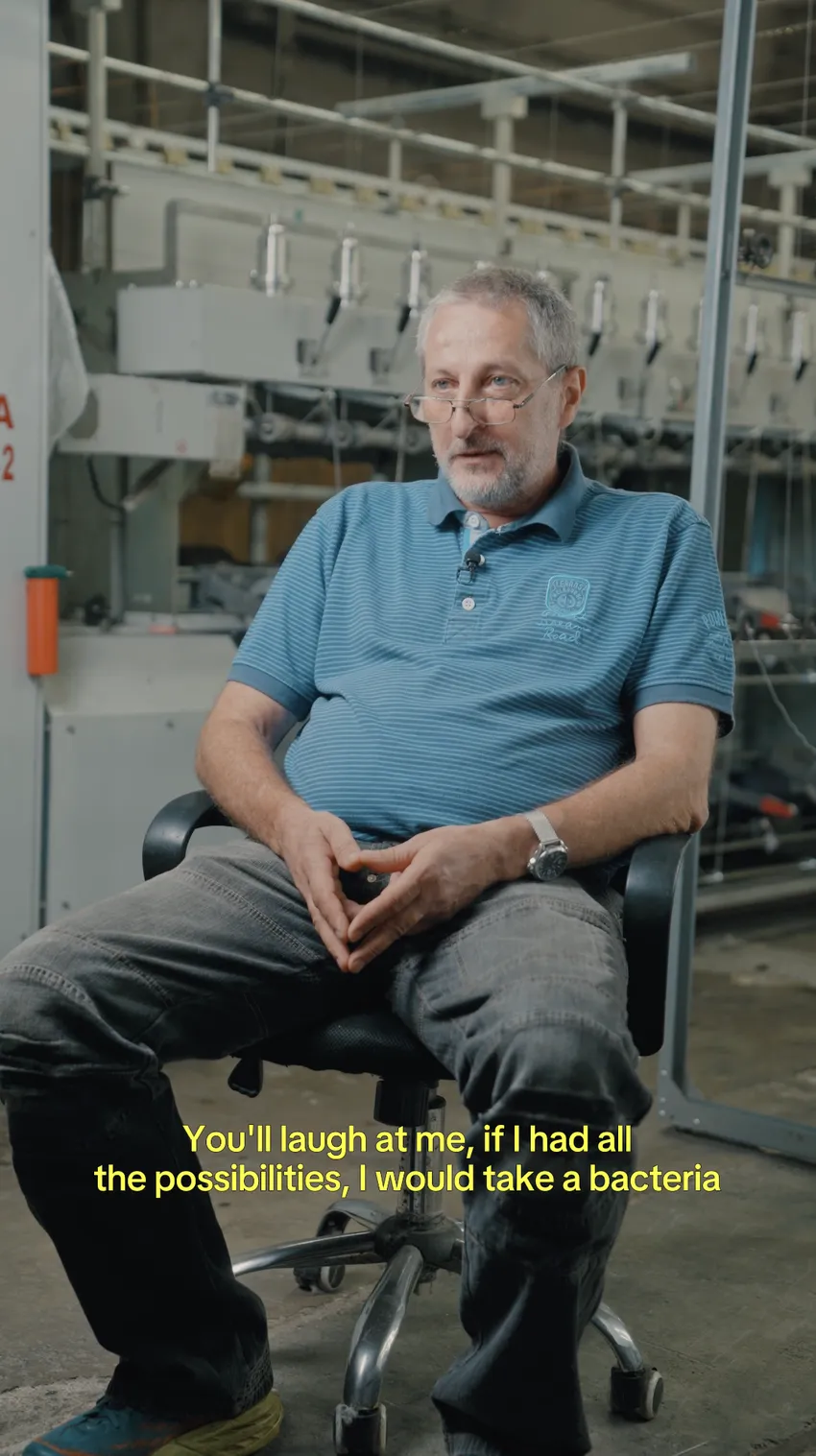
We associated Eugen, UTT’s inventor, with the concept of ‘innovation’ because he is working on machines that have never been created before and is constantly exploring new methods for producing yarn. An example of his work is a unique acrylic yarn that is extremely resistant and cannot be easily broken; notably, it is not twisted, which goes against the conventional belief that a yarn must be twisted to achieve strength. What is shown is just a sample resulting from an experiment, not yet a final product, but it is hoped that it will be in the future. Eugene facilitates this innovative process and is always seeking ways to reduce energy consumption and pollution in production. His goal is to make the manufacturing process more sustainable.
1/3
2/3
3/3
Credits
François Vulliet / Gary Wilson / Gianina Gheorghiu / Vasile Carabeț / Florin Rusu / Denis Fekete / Constantin Dincă / Eugen Târjoianu / Video-Daniel Rada / Darius Gabriel Dorobanțu / Uniunea Tehnologiilor Textile