
The weight of machinery on the soil
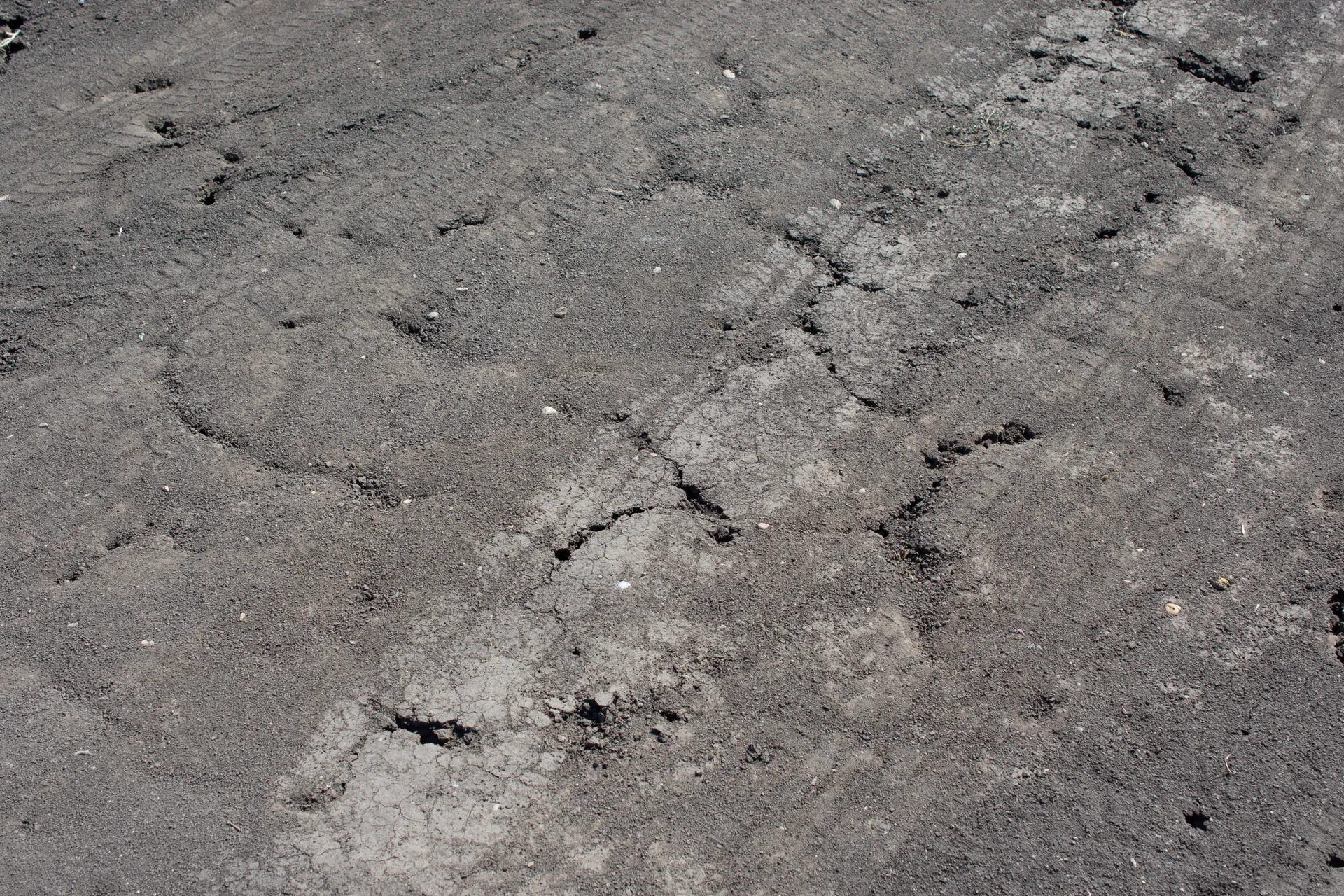
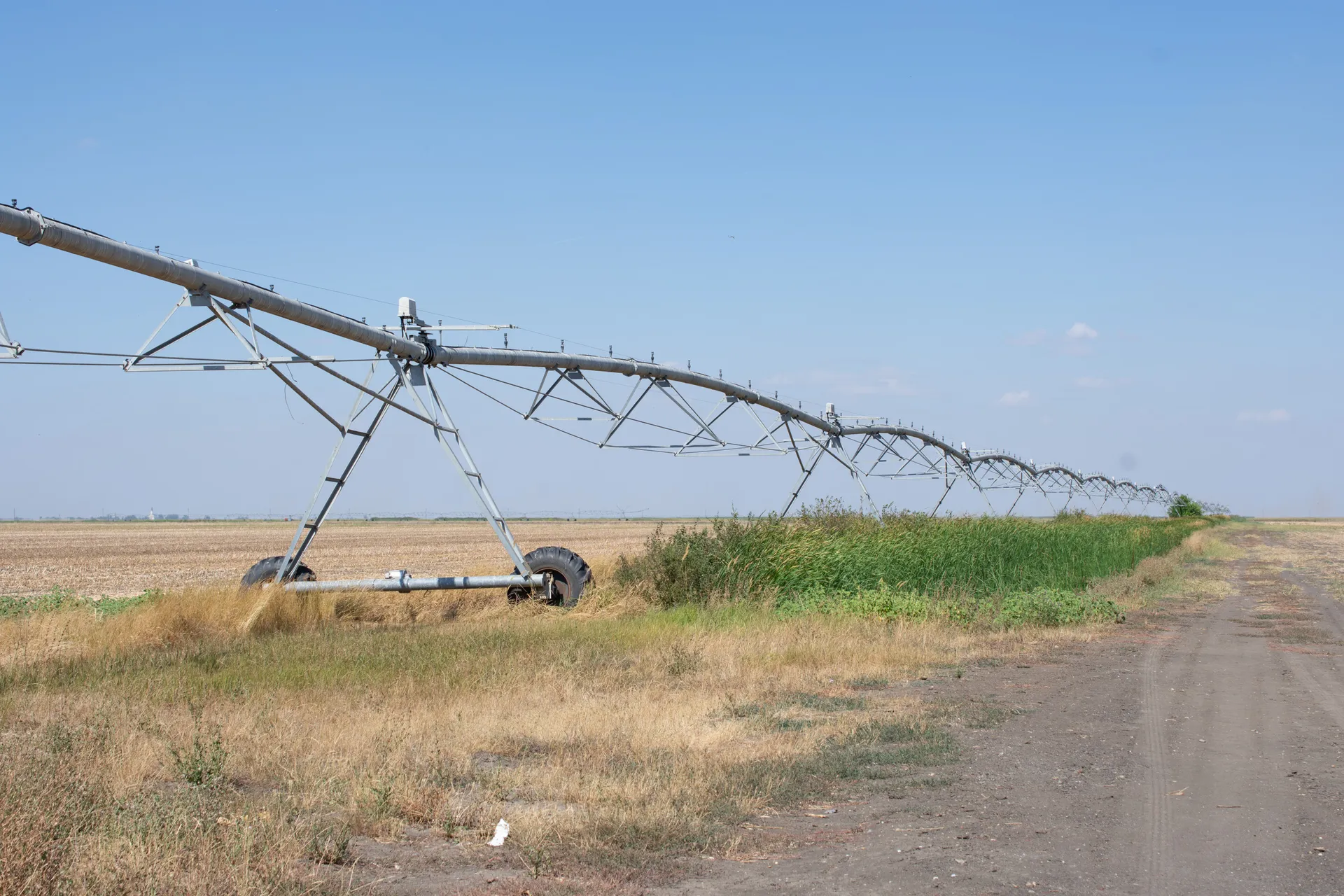
Heavy Duty investigates soil compaction, a largely invisible consequence of mechanised agriculture. Repeatedly driving heavy machinery over the same land—particularly when wet—presses soil particles closer together.
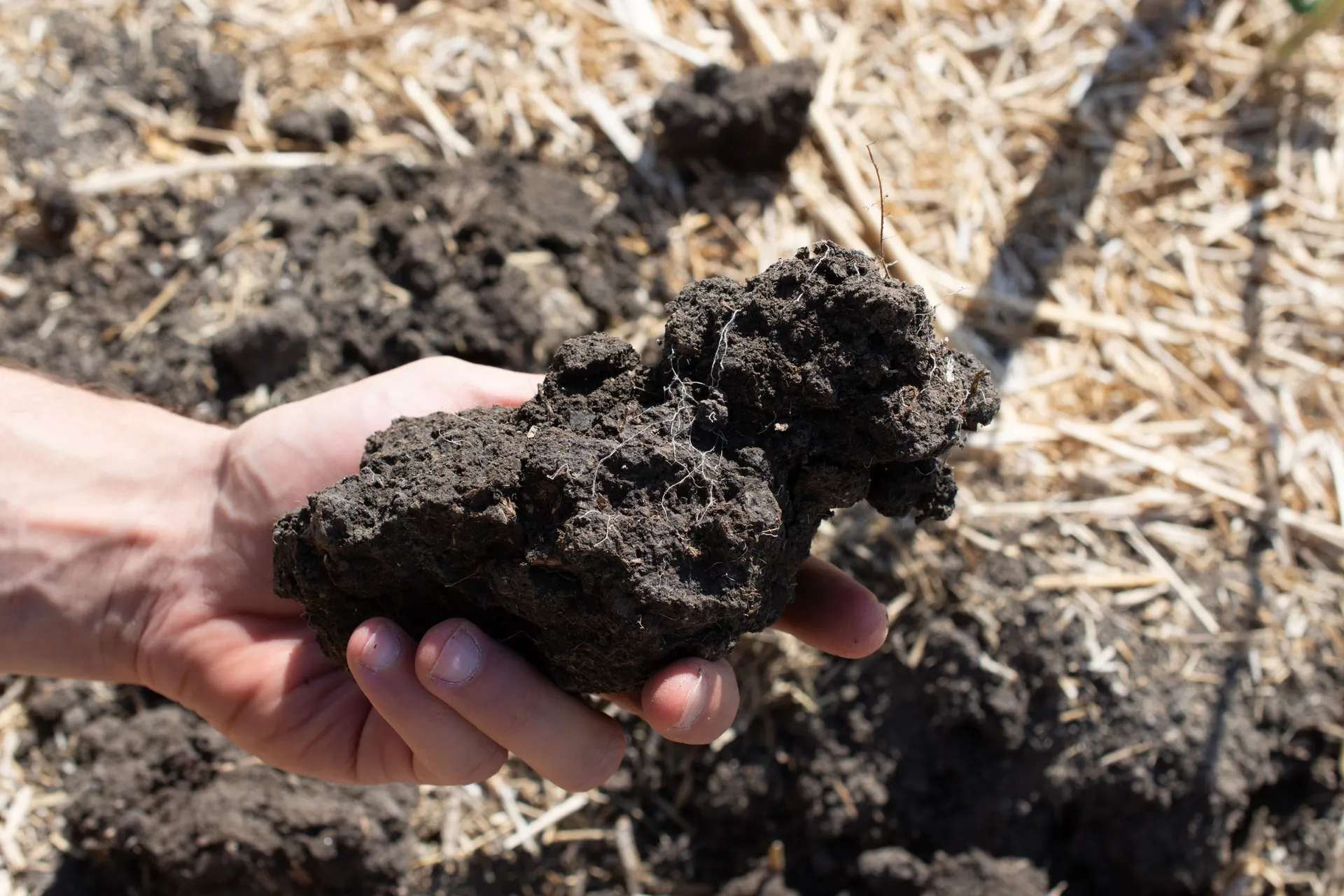
Healthy soil is porous. The gaps between its particles hold water and air, allow roots to spread, and provide habitats for microorganisms. When soil is compacted, these spaces shrink or disappear, leaving the ground less able to absorb water, support roots and sustain the organisms involved in its regeneration.
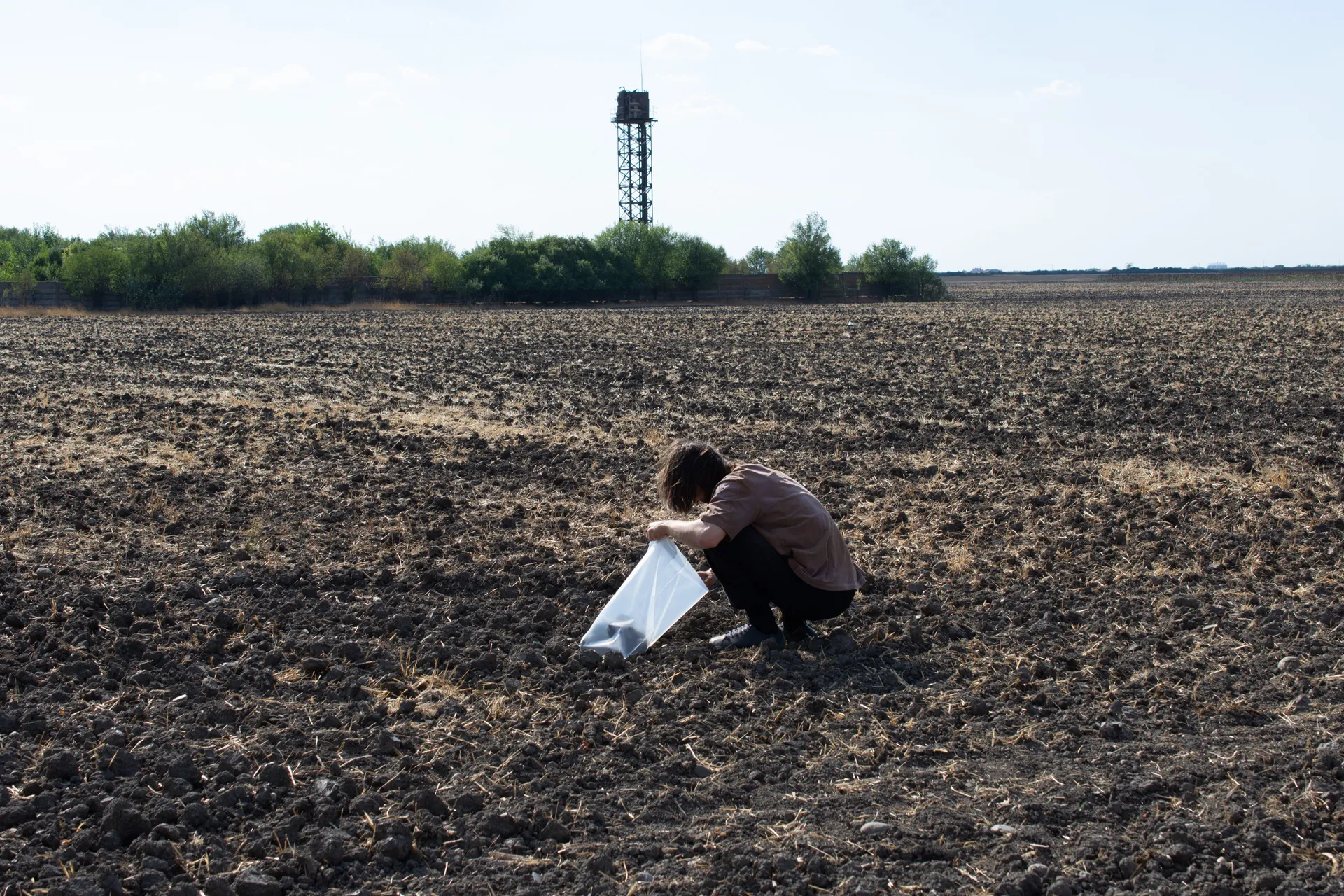
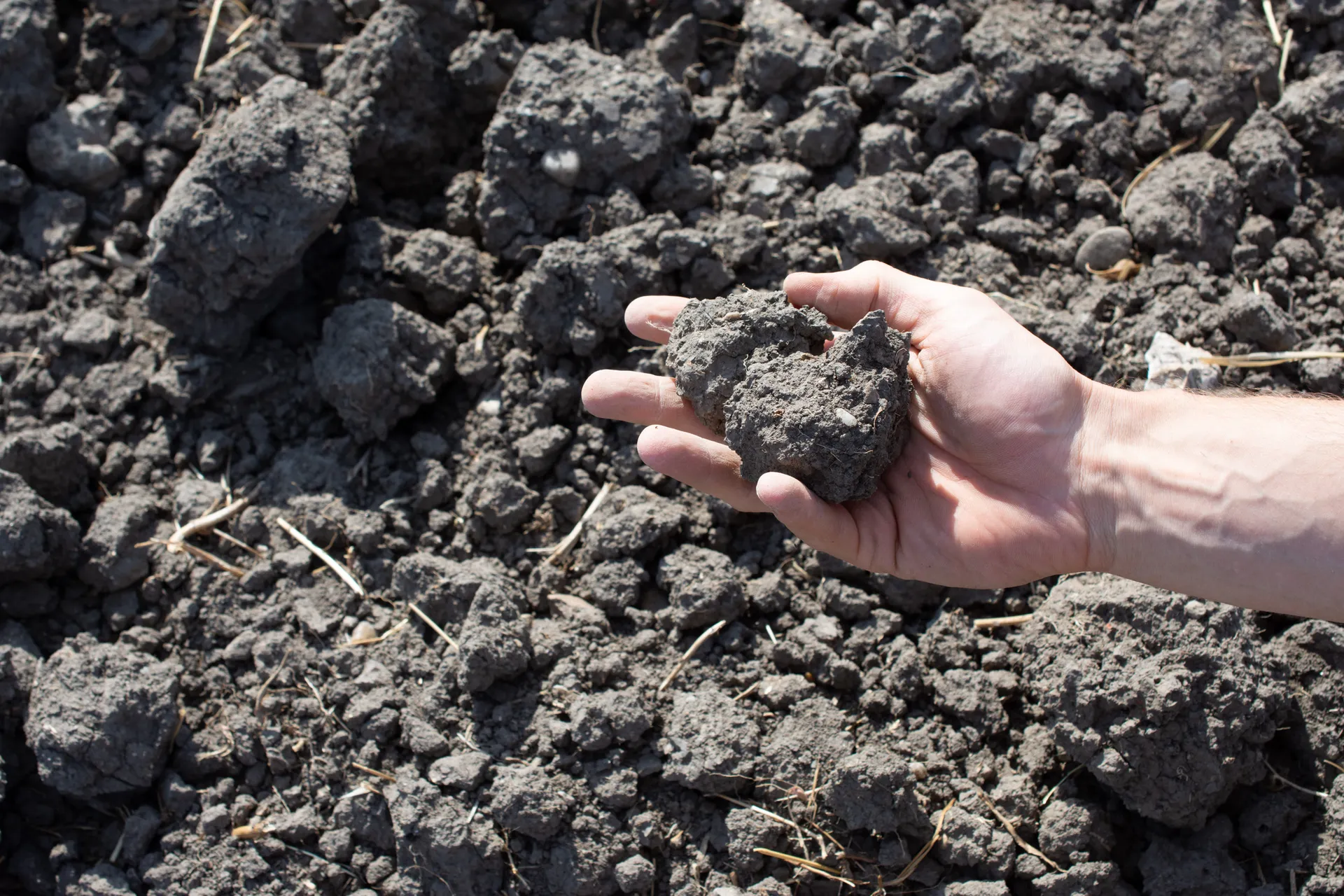
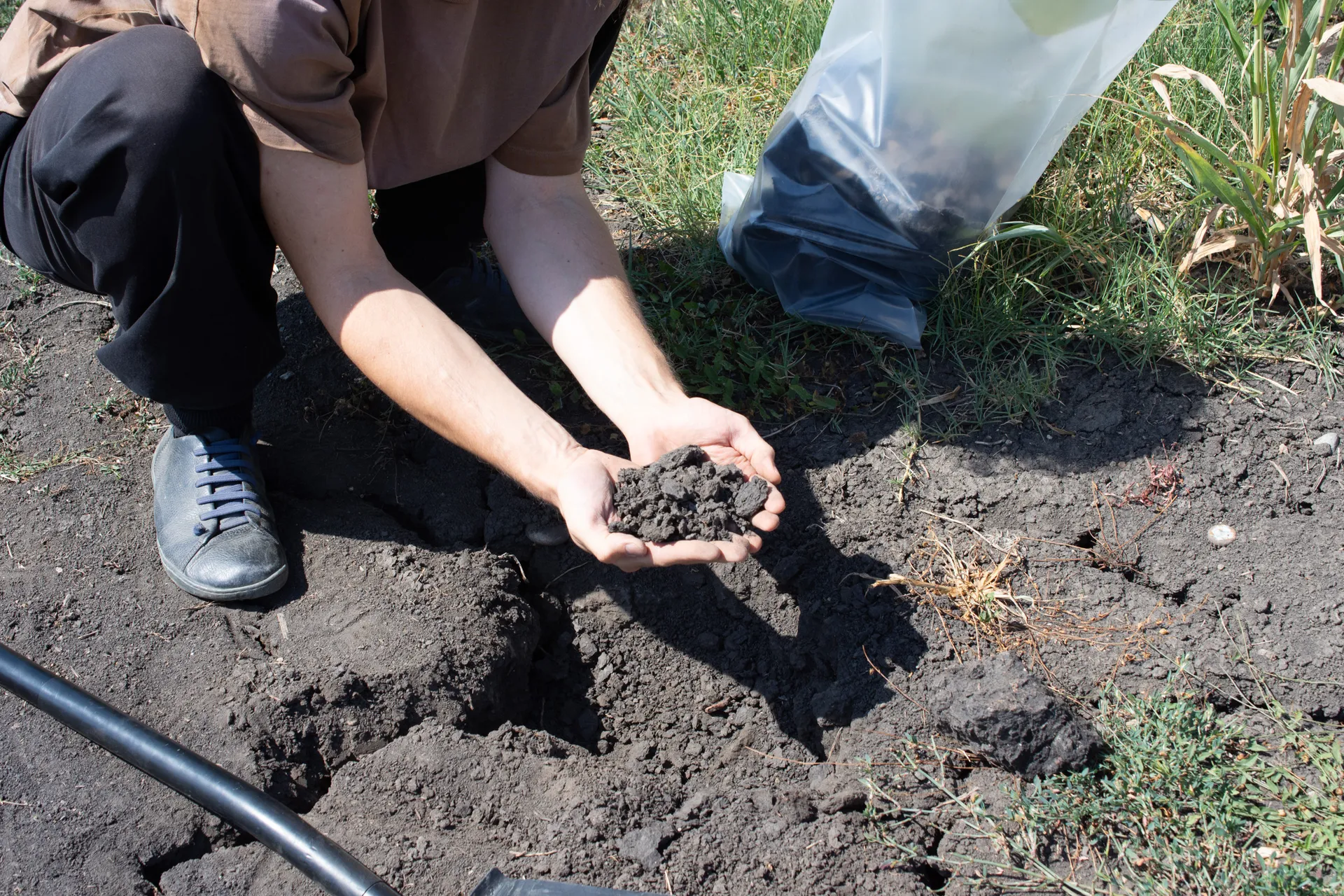
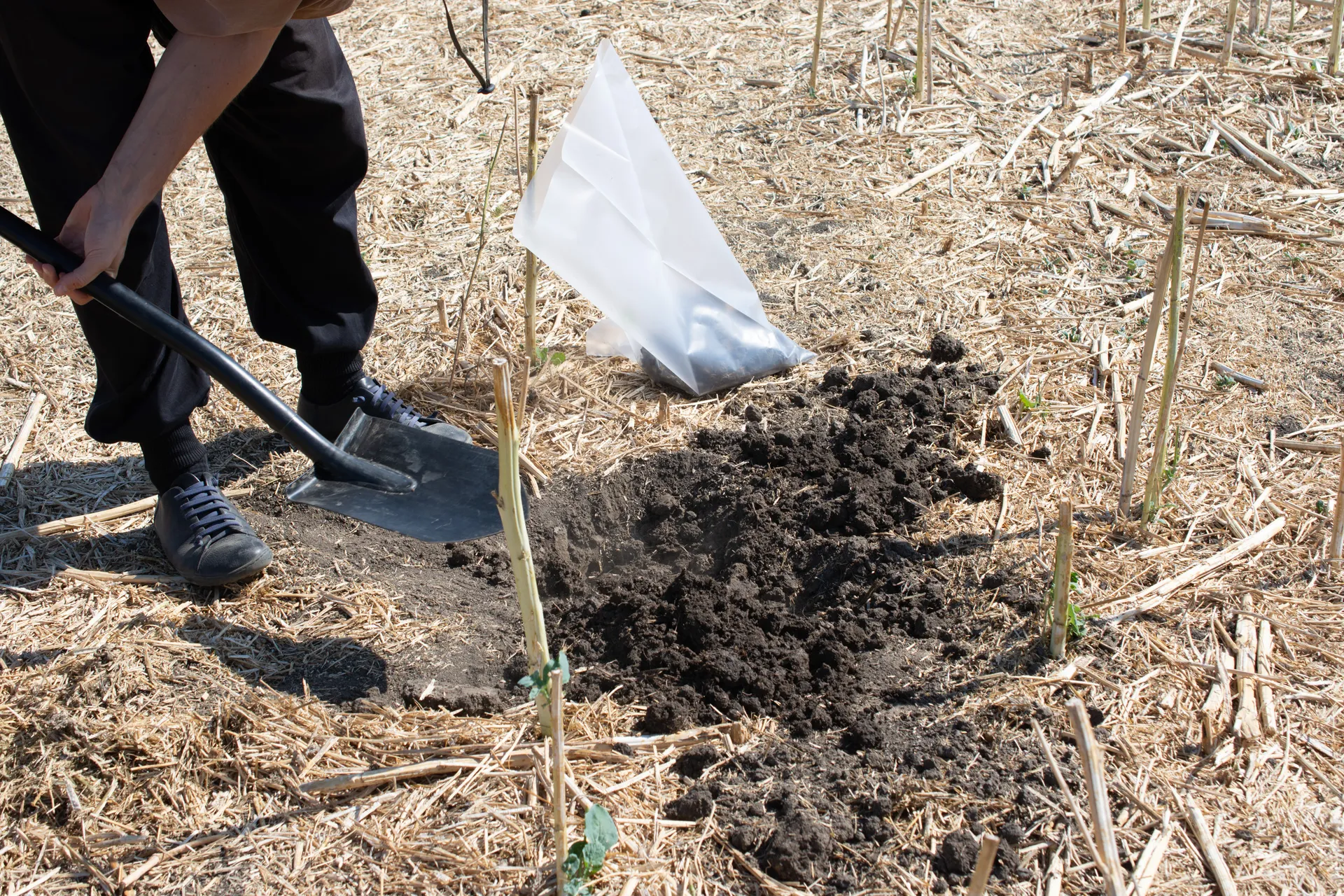
The work uses dark, fertile Chernozem soils collected from agricultural sites across Timiș County. The soil is gradually added along a running mould that rotates around a fixed central point. As the mould turns, a profile shapes the material through repeated passages, gradually building a denser and more sealed form.
As the compacted soil dries, it shrinks unevenly and cracks. The fractures are filled with lime, a mineral used in agriculture to reduce soil acidity. When phenolphthalein, a pH indicator, is applied, the lime turns pink under alkaline conditions. This reaction makes an otherwise invisible chemical condition temporarily visible on the soil’s surface. Together, the fissures and colour map the pressure held within the material and the loss of spaces through which water, air, roots and living organisms would ordinarily move.
Credits
Soil research: Katharina Häni & Christian Häni (BioFarmland), Banat Agri Group, Isidora Radulov (USVT)
Soil sample locations: Firiteaz (BioFarmland), Partoș (Banat Agri Group)
Production: MiniTec Solutions (aluminum profiles / profile din aluminiu), Indio (steel forms / șabloane din oțel), Caminota (earth / pâmânt)