
Andreea Pleșa
Fashion designer
Andreea Ana-Maria Pleșa, Anamaria Mihaela Vișovan, Cătălin-Cristian Botean
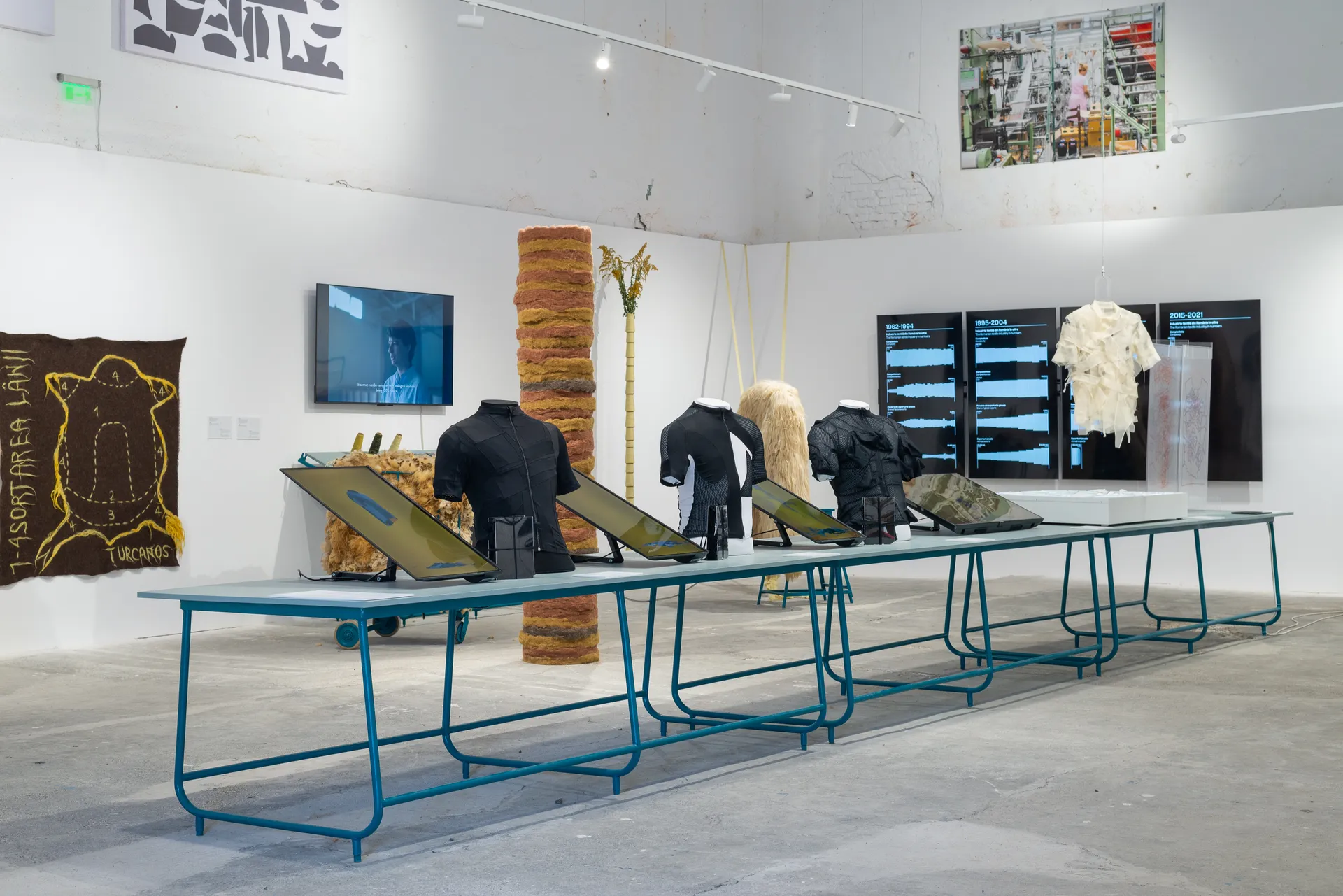
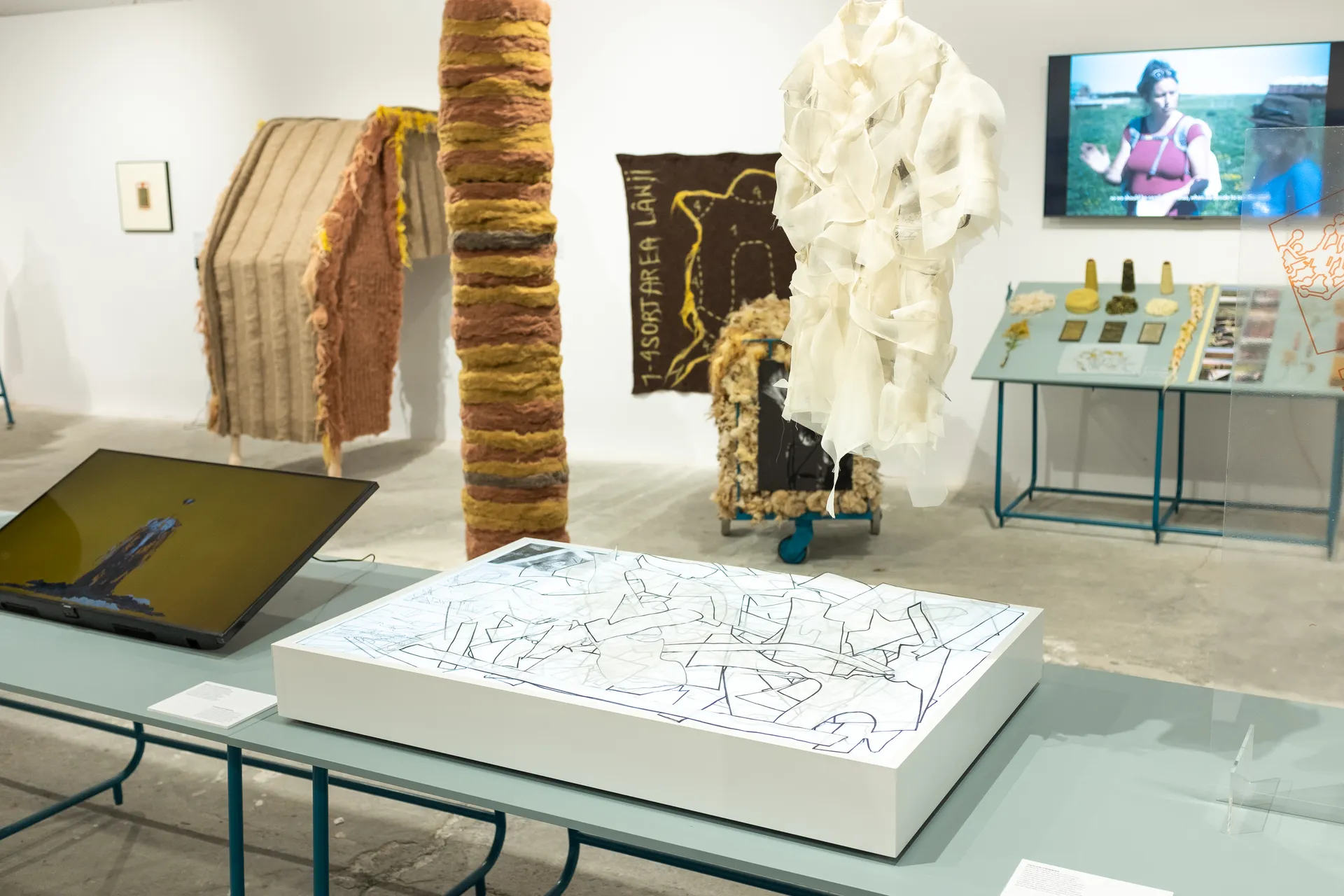
”Unsolved Patterns” explores the possibilities of textile waste, particularly the challenges of recycling blended fibre materials. At the Cottontex factory in Timișoara, the project investigated how standardised production processes lead to standardised waste and how this waste can be repurposed through innovative design.
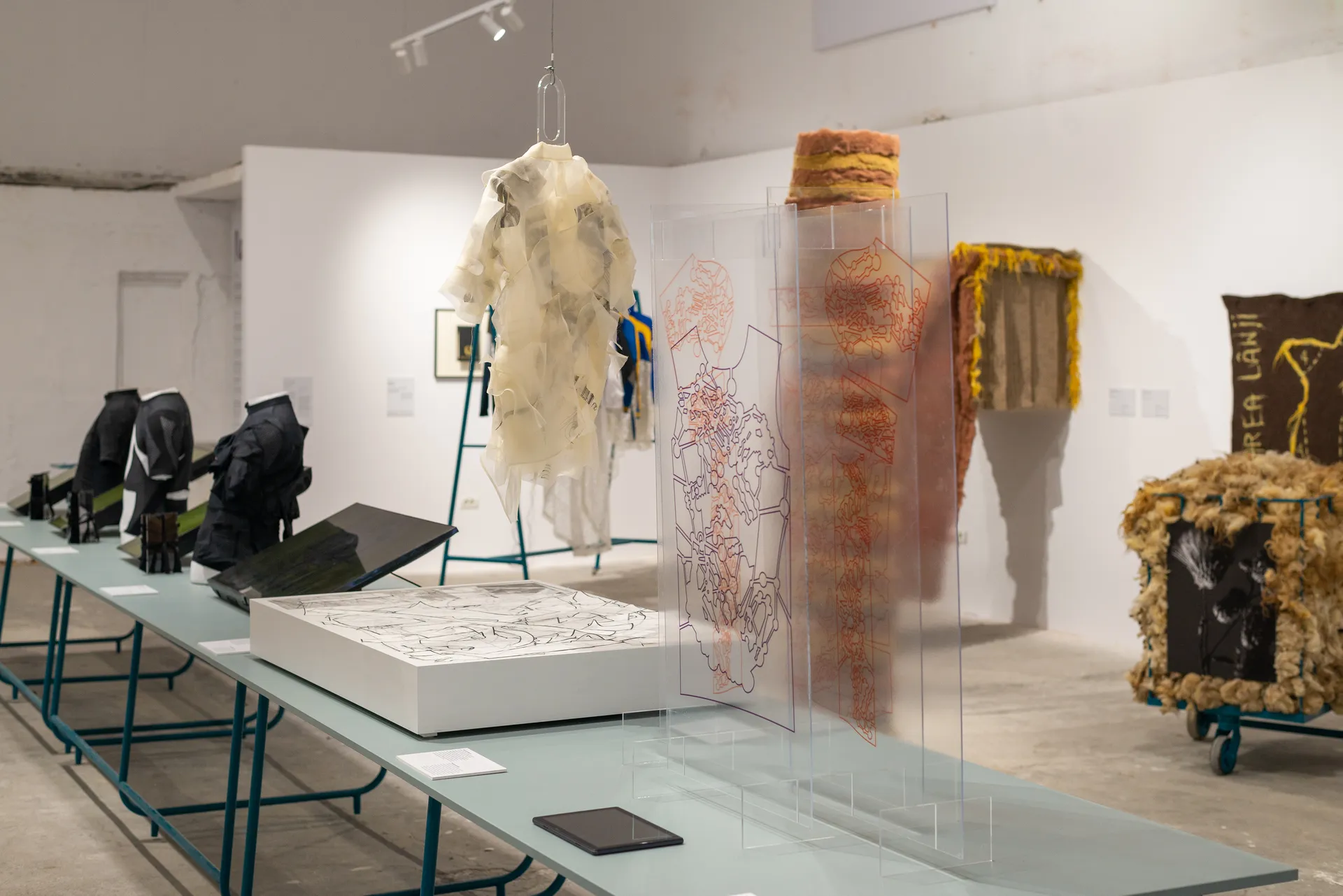
Merging digital and analogue pattern-making techniques, the project resulted in three unique cycling jerseys, each employing different methods to minimise waste. Additionally, a video demonstrates the potential of on-demand garment production, virtually assembling and reassembling designs to reduce the need for physical prototypes.
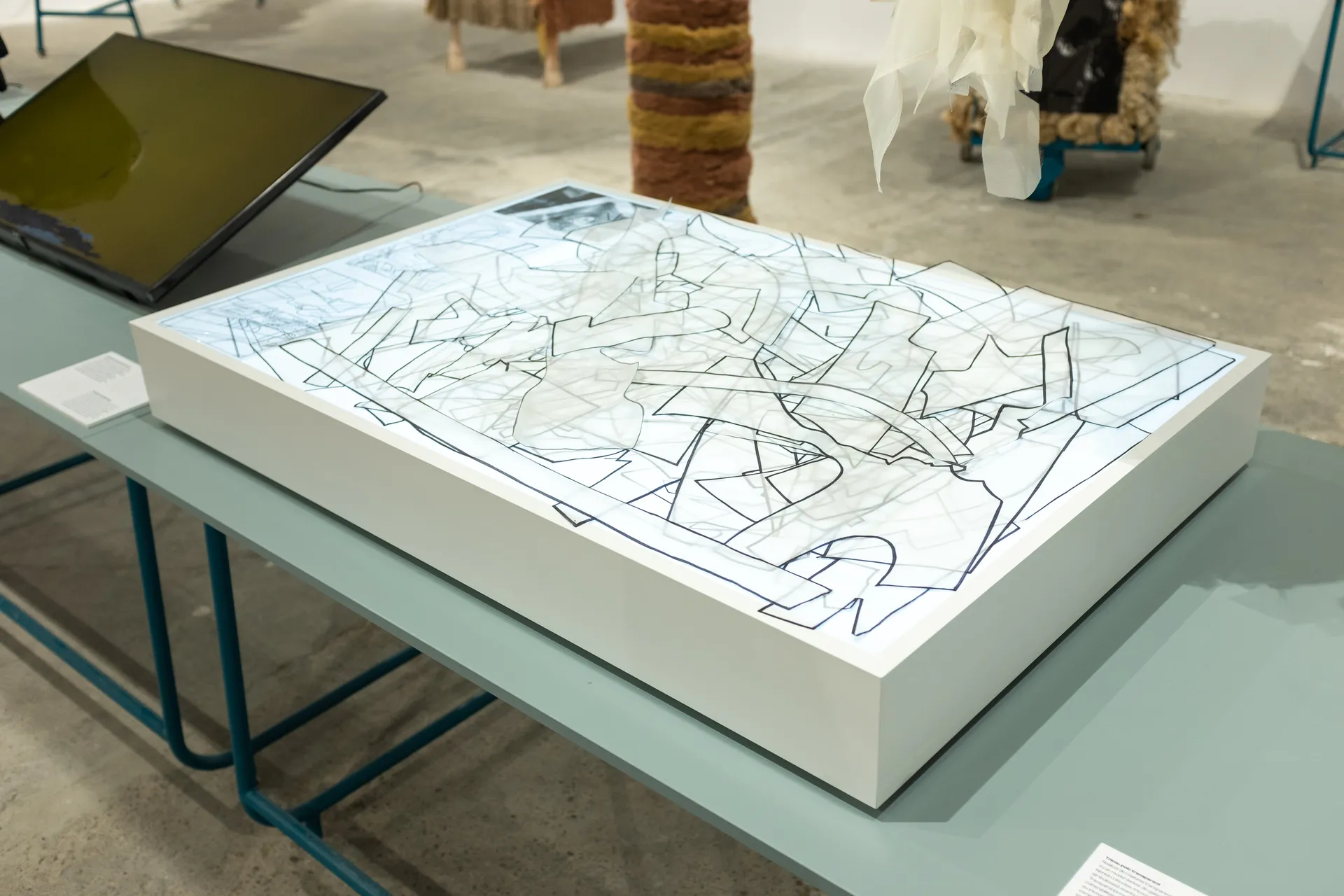
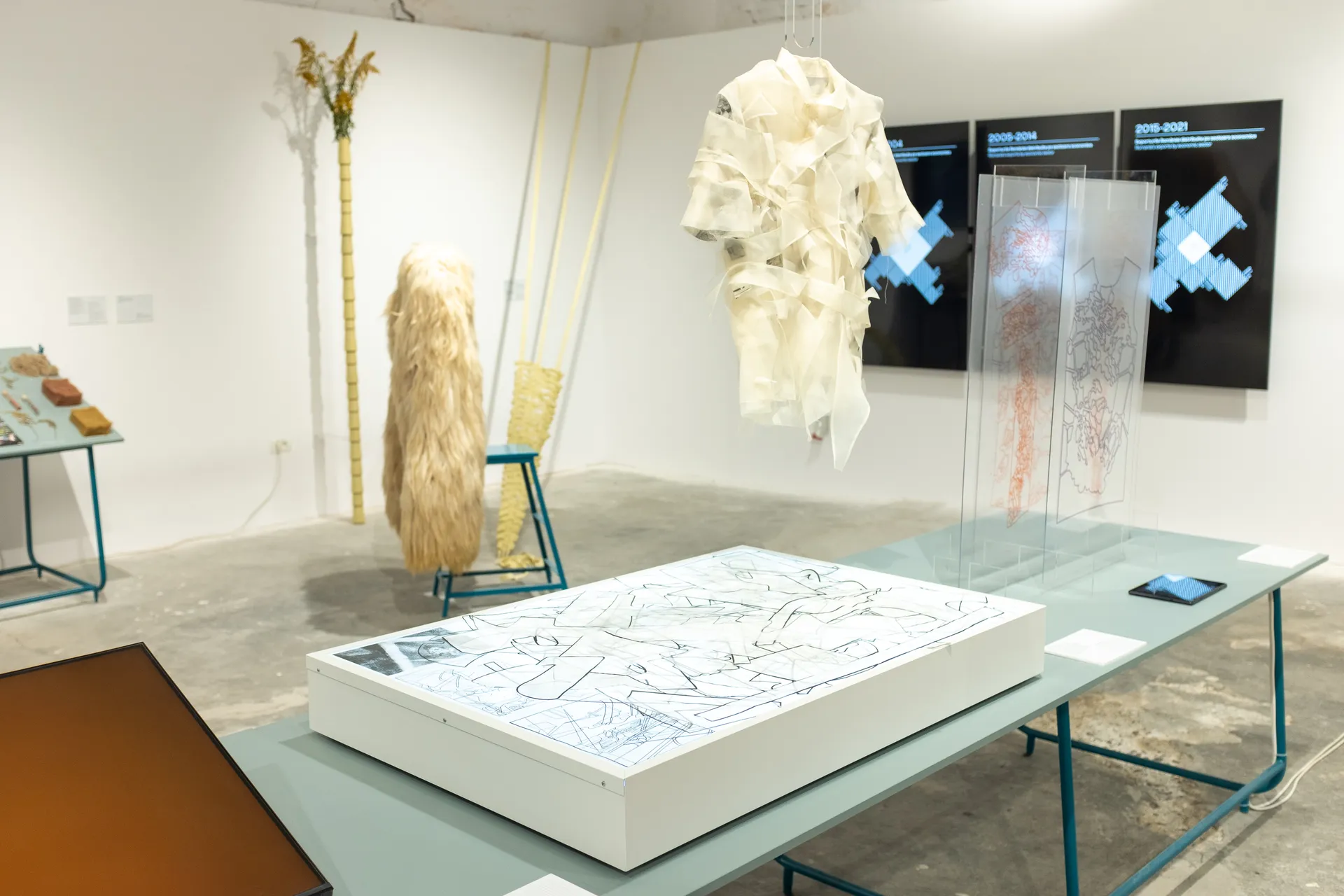
A transparent polo shirt crafted from factory patterns symbolises social contrasts and highlights workers’ vulnerabilities. The project culminates in a video mapping the repetitive sewing movements of workers, urging viewers to reflect on the labour behind textile production and the ethics of consumption. ”Unsolved Patterns” challenges traditional production lines by turning waste into an opportunity for creative practice.
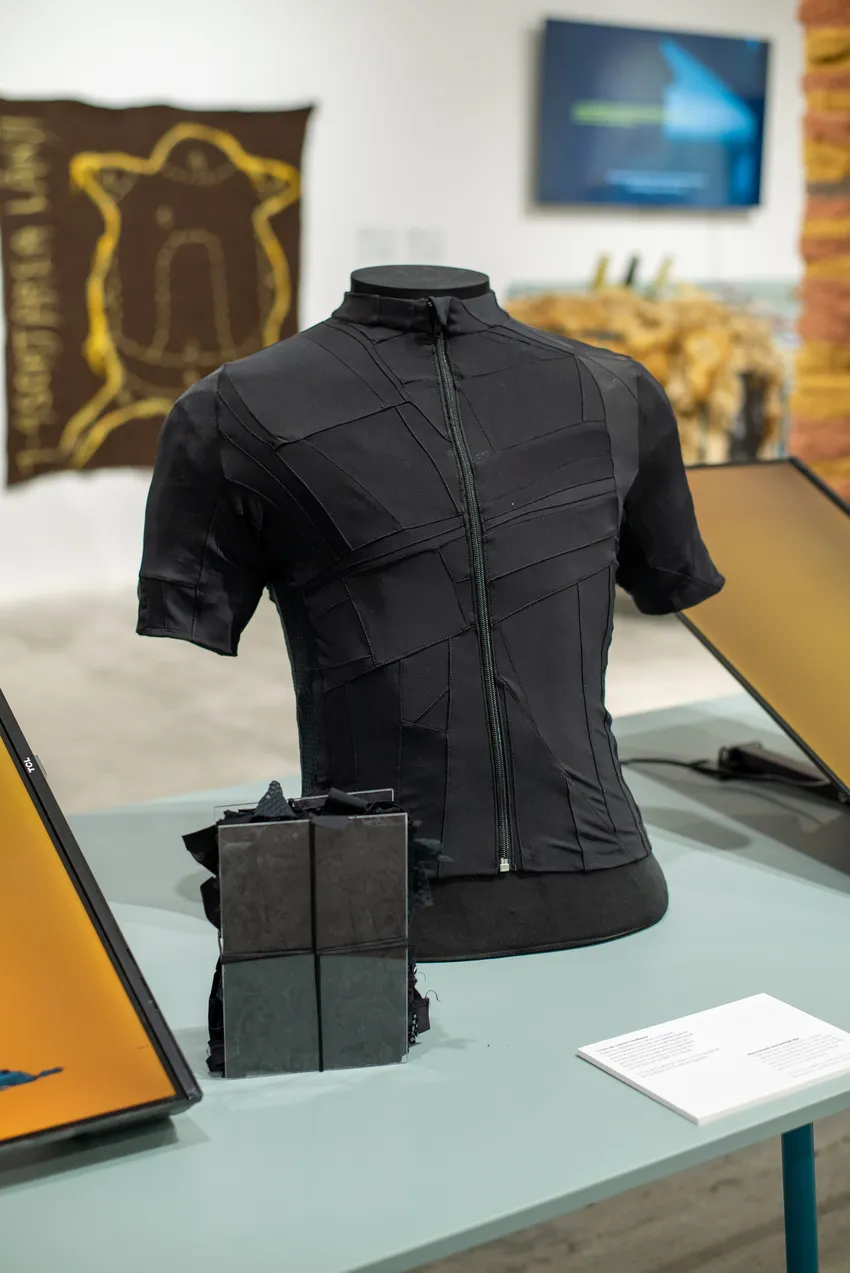
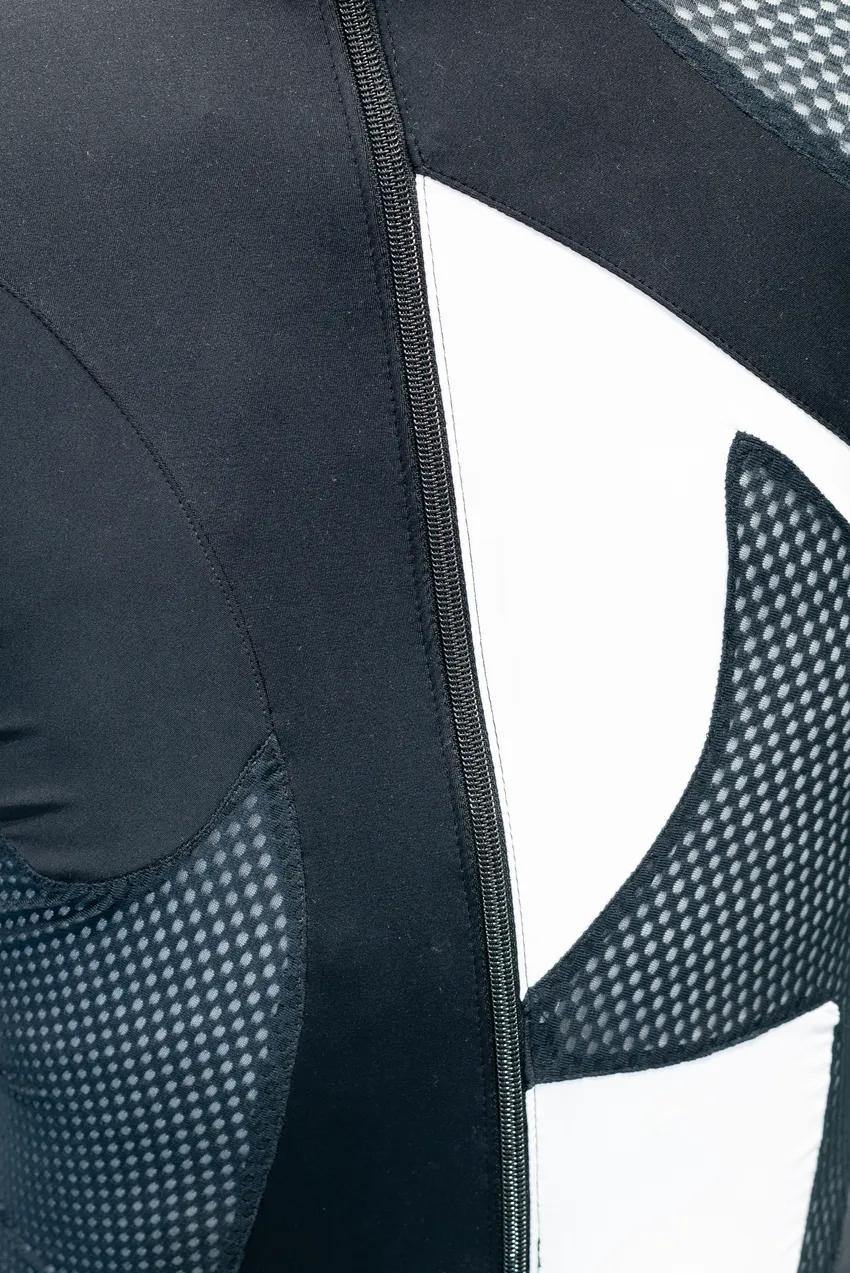
Fragmented pattern jersey
Leftover pattern fragments were pieced together, making it possible to maintain the original design. A 70% reduction in waste was achieved, showcasing innovative ways in which materials can be used. The jersey is made from Ceylon that consists of 80% polyester and 20% elastan (spandex).
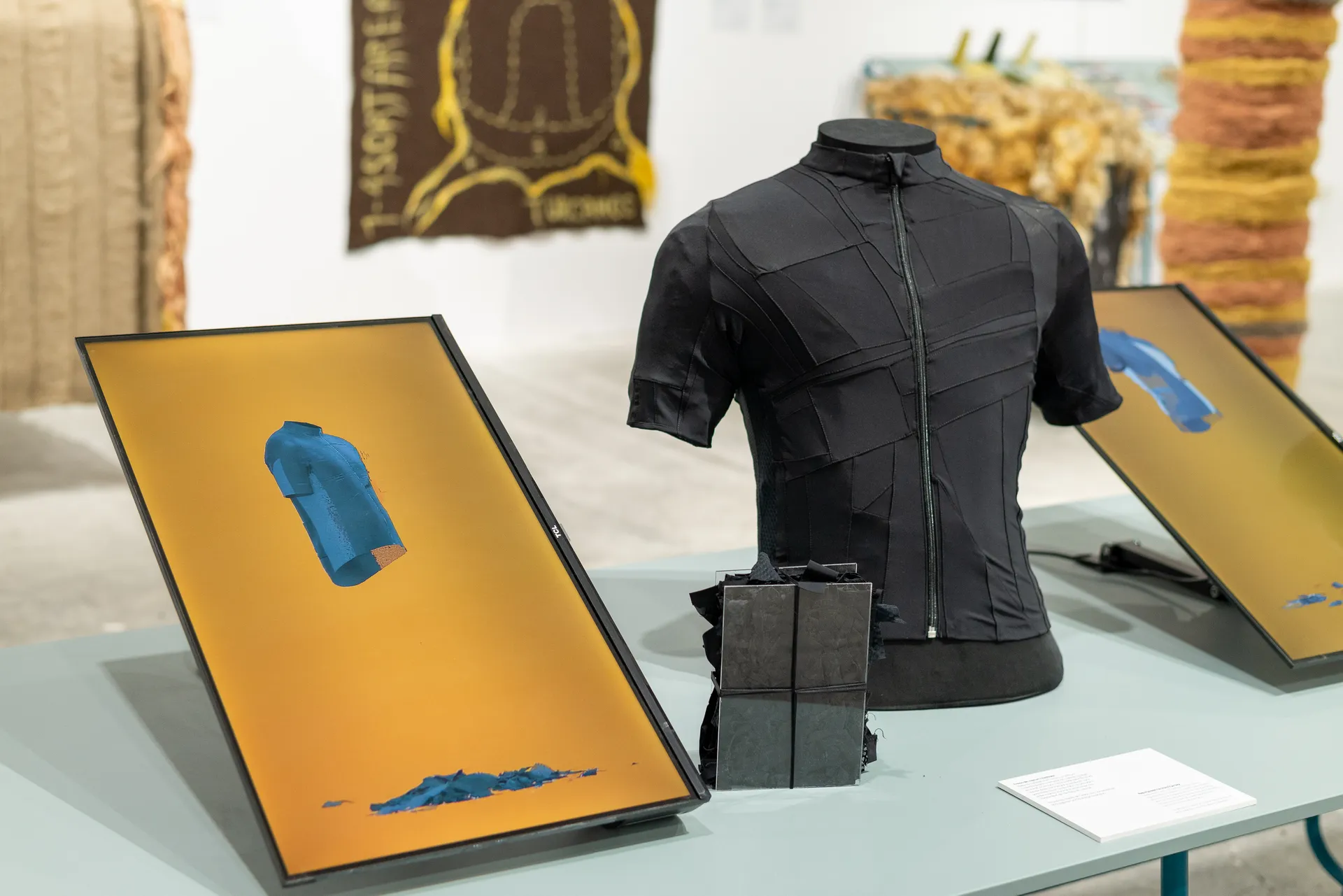
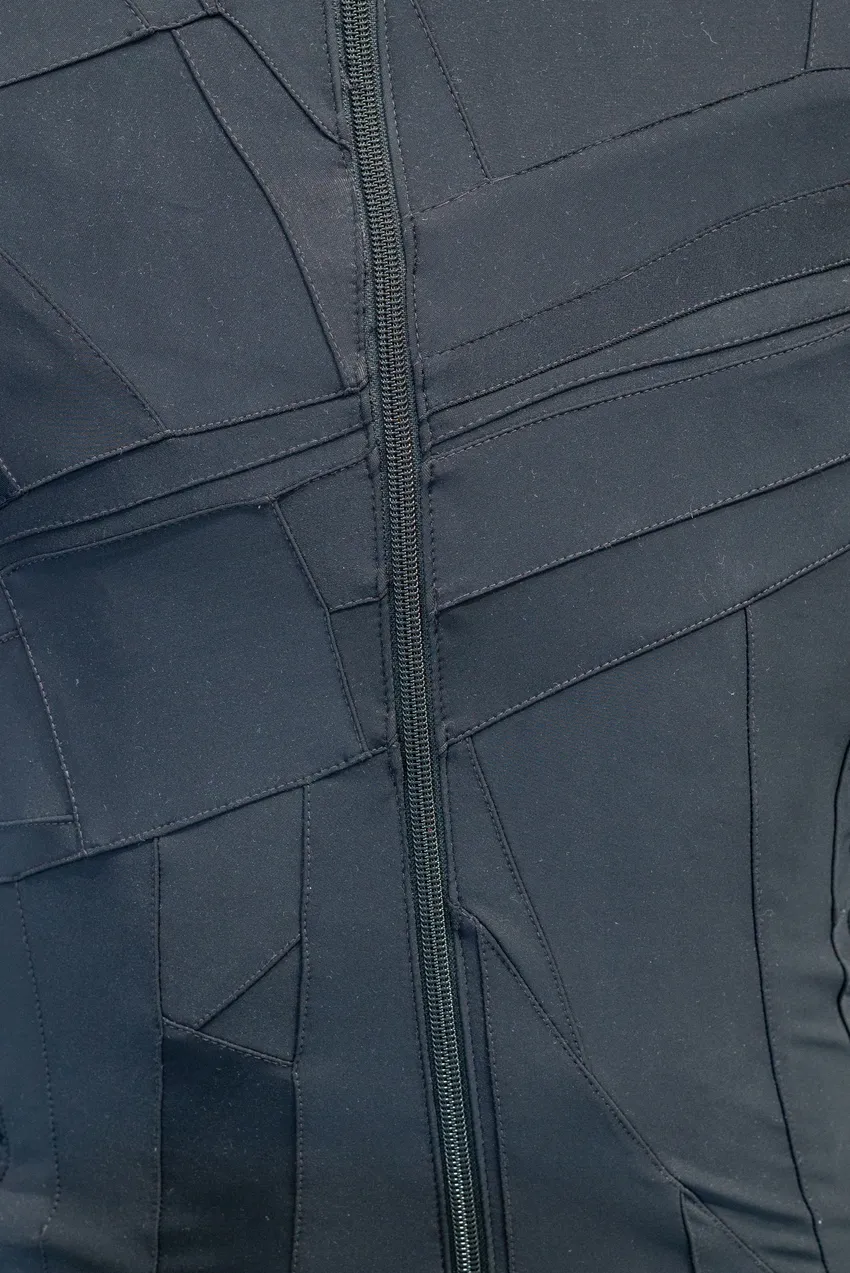
Repurposed remnants jersey
Textile waste was reduced by 50% by sewing together offcut materials. This was made possible due to the standardised nature of manufacturing, which produces uniform textile remnants, allowing for the construction of a new, standardised garment from the leftover fabric. The jersey is made from Ceylon that consists of 80% polyester and 20% elastan (spandex).
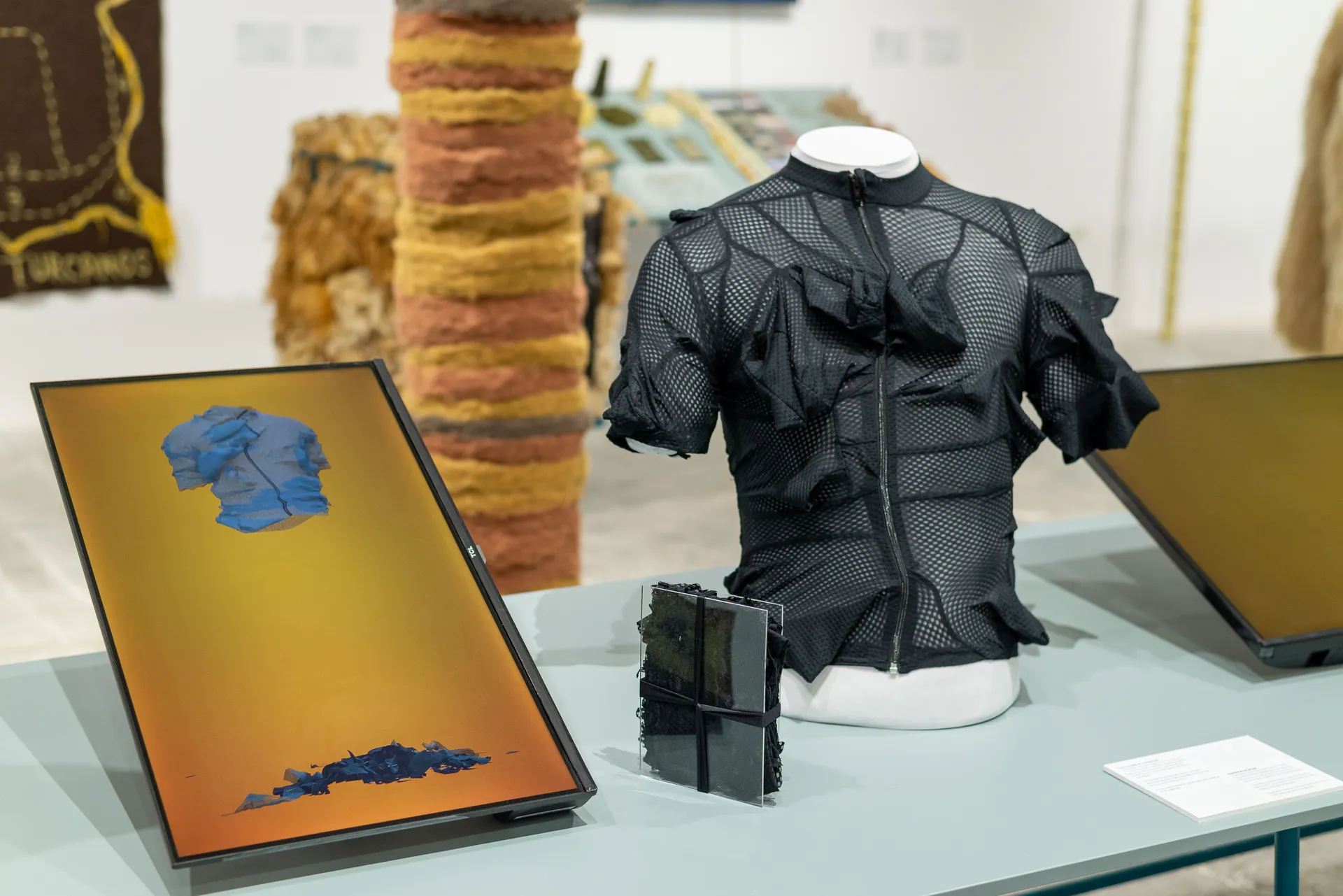
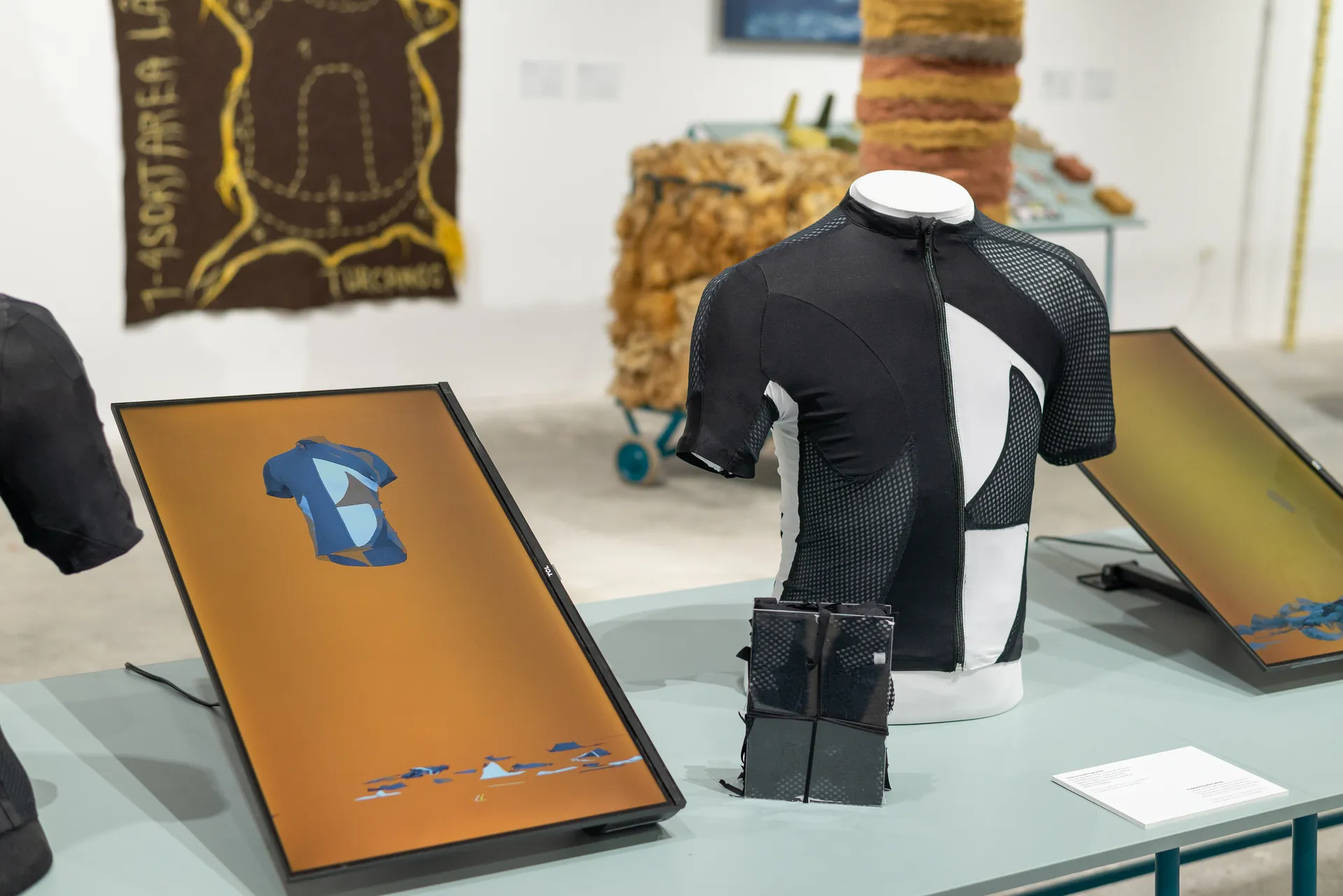
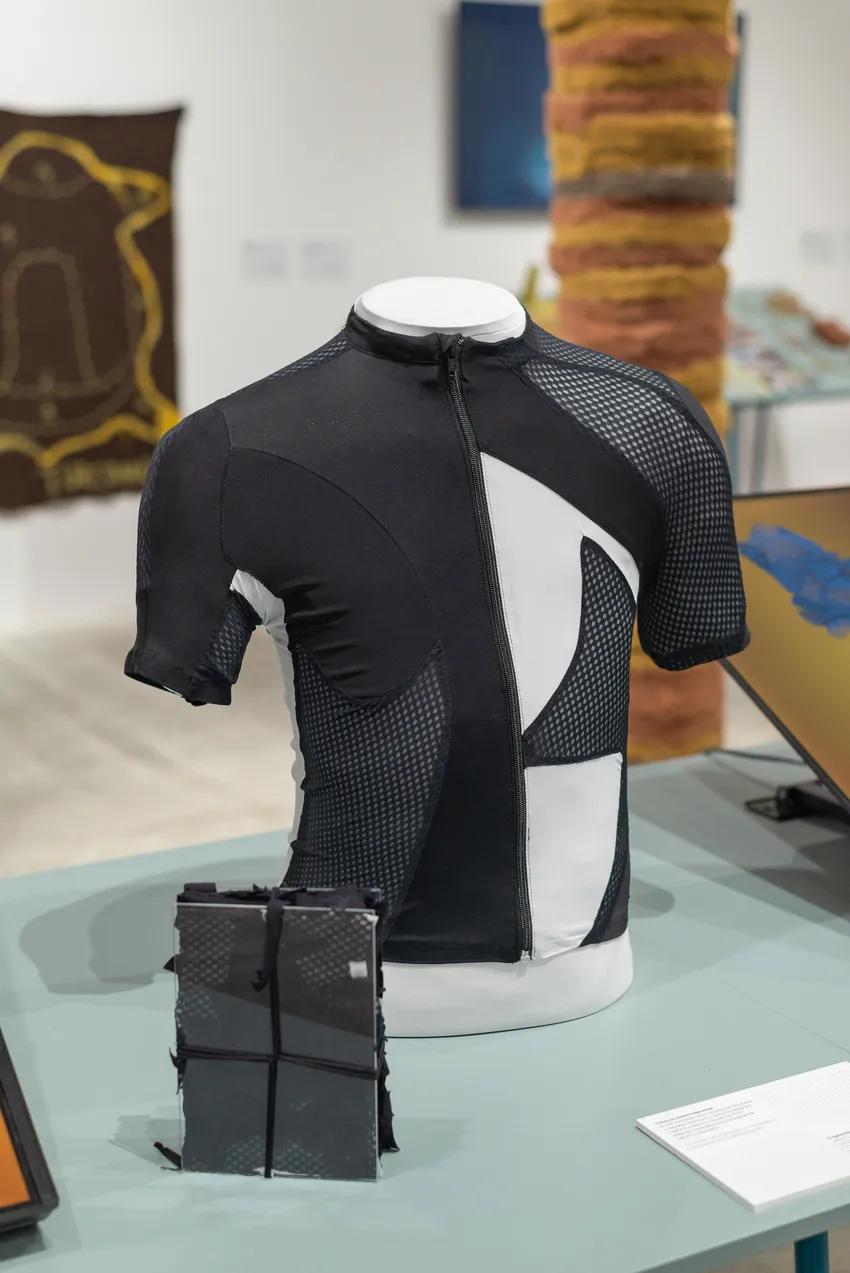
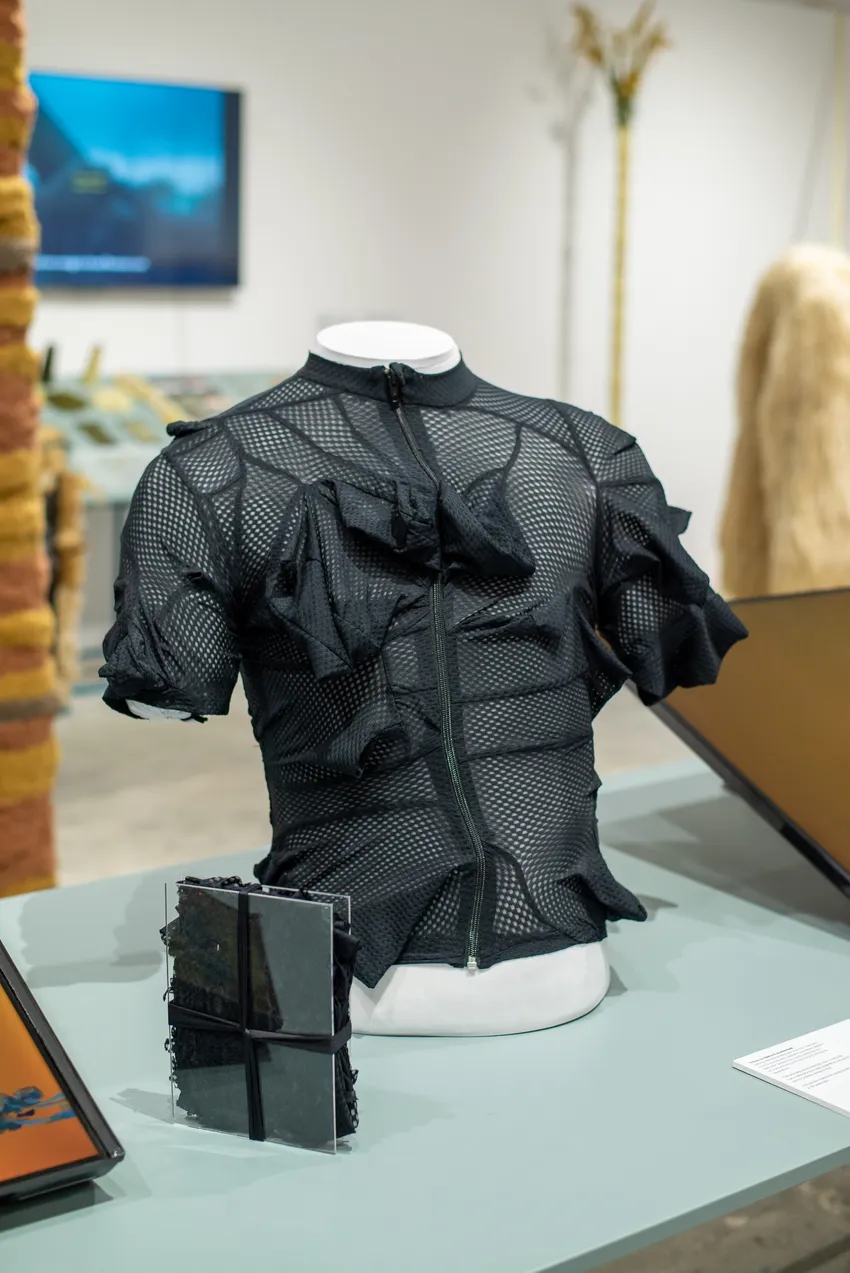
Accidental cut jersey
The accidental cut technique* results in a 90% reduction in waste, highlighting the potential of using random or unconventional cuts and an experimental or unplanned construction process. The jersey is made from a mesh fabric that consists of 95% polyester and 5% polyamide.
*Accidental cut technique is a method where the fabric is cut in an unplanned or spontaneous way to achieve a desired design effect.








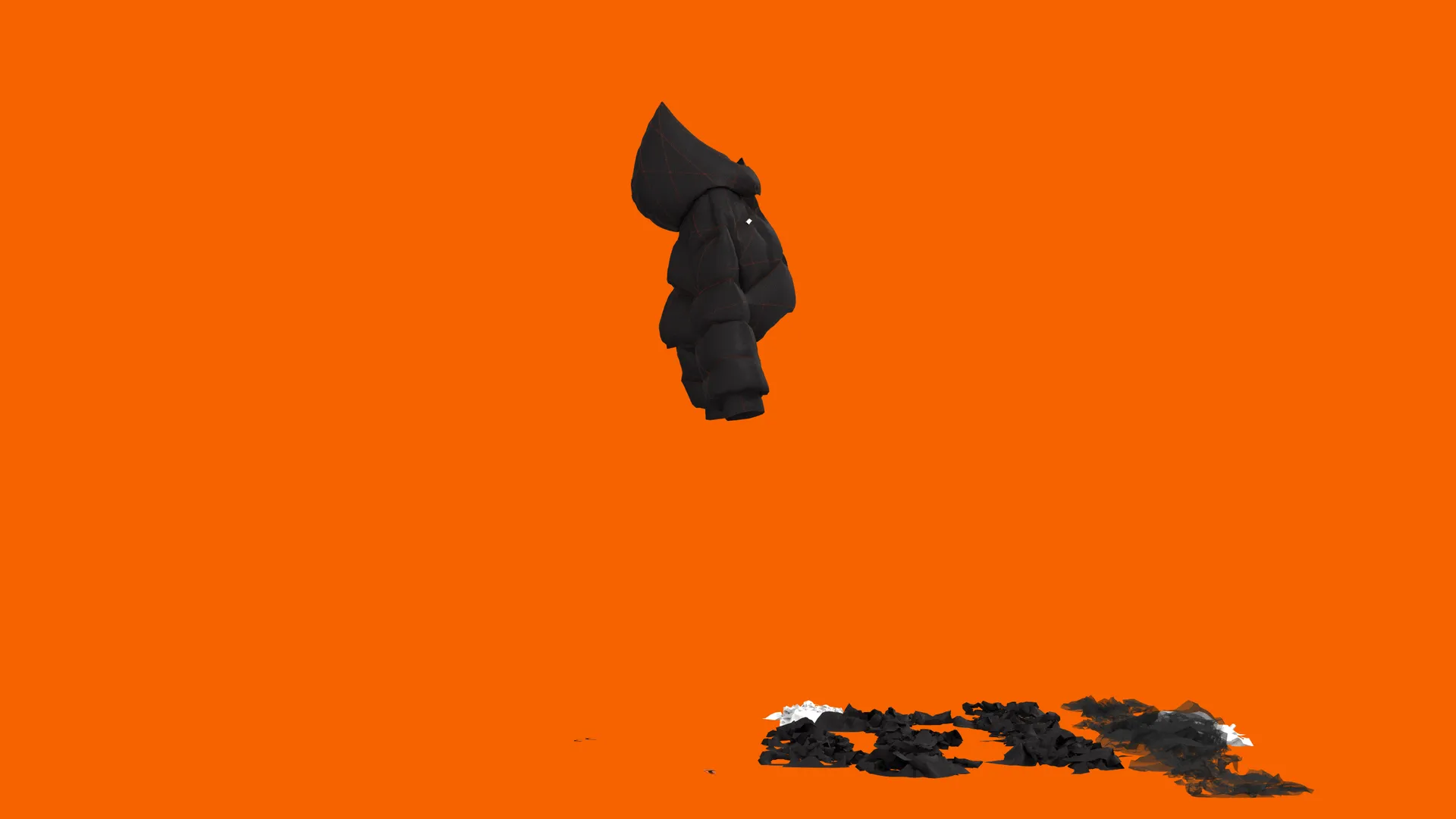
Virtual garment exploration
The video demonstrates how textile waste can be reduced using virtual design processes. Working with the standardised fabric scraps, a series of on-demand clothing items was developed using digital composition, decomposition, and recomposition methods that can result in ready-to-use patterns. By minimising the need for physical prototypes, this approach reduces waste and offers a dynamic way to investigate garment design and perception.
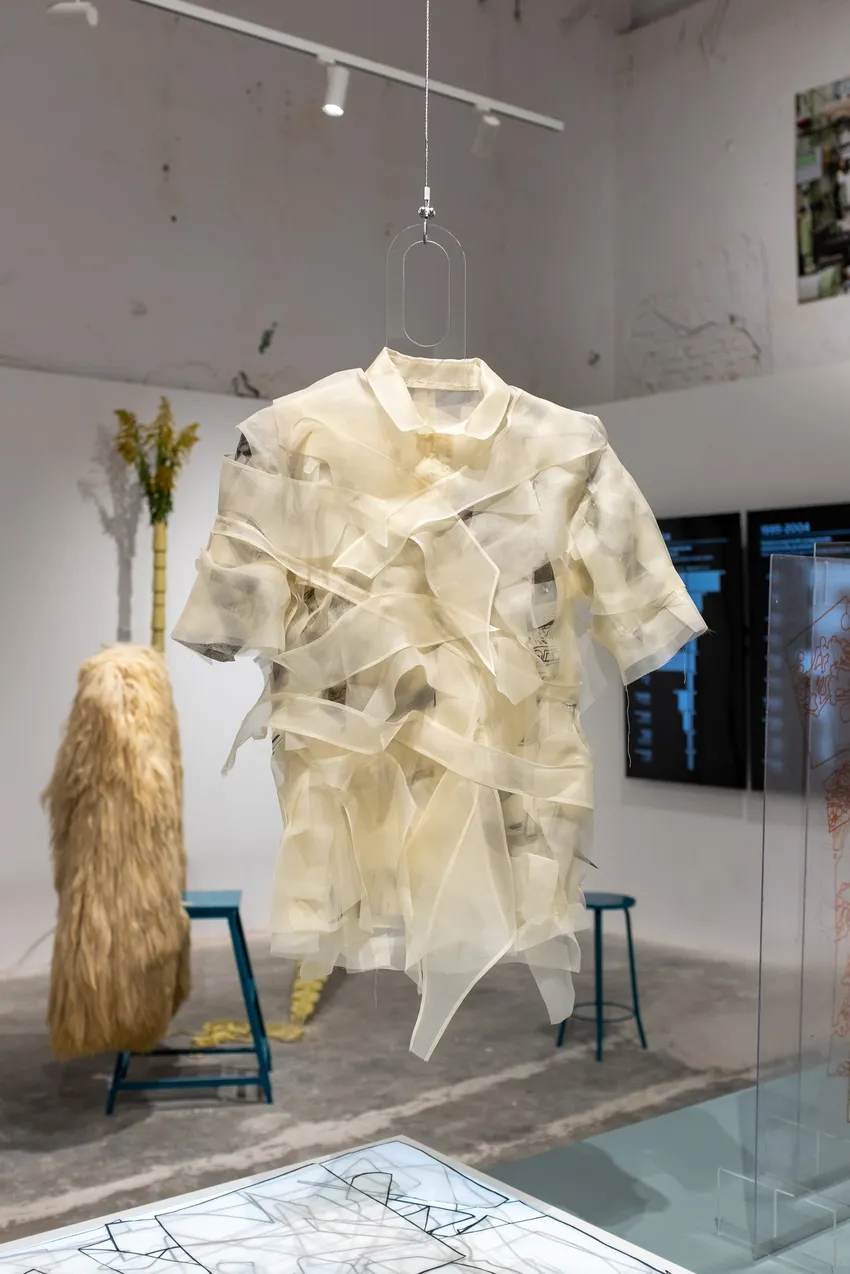
Transparent polo shirt
Made from transparent material printed with a pattern derived from the Cottontex factory imagery, the transparent polo shirt symbolises the historical and cultural essence of the factory. The transparency of the material represents the fragility and vulnerability of the workers’ lives, contrasting with the jerseys on display and highlighting the complex narratives behind these products. The choice of the polo shirt, traditionally associated with tennis players and the privileged classes, further emphasises these socio-economic disparities.
Credits
Cottontex / West University of Timisoara, Faculty of Arts and Design / Politehnica University Timisoara