Lavinia Ghimbășan
Designer
Lavinia Ghimbășan
”Back to Our Sheep” explores Romania’s pastoral heritage by reexamining the wool industry, which has drastically declined over the past 30 years. Once a valuable resource, wool is now often discarded, leading to ”wool cemeteries” where the material is buried due to the absence of a functional integration system.
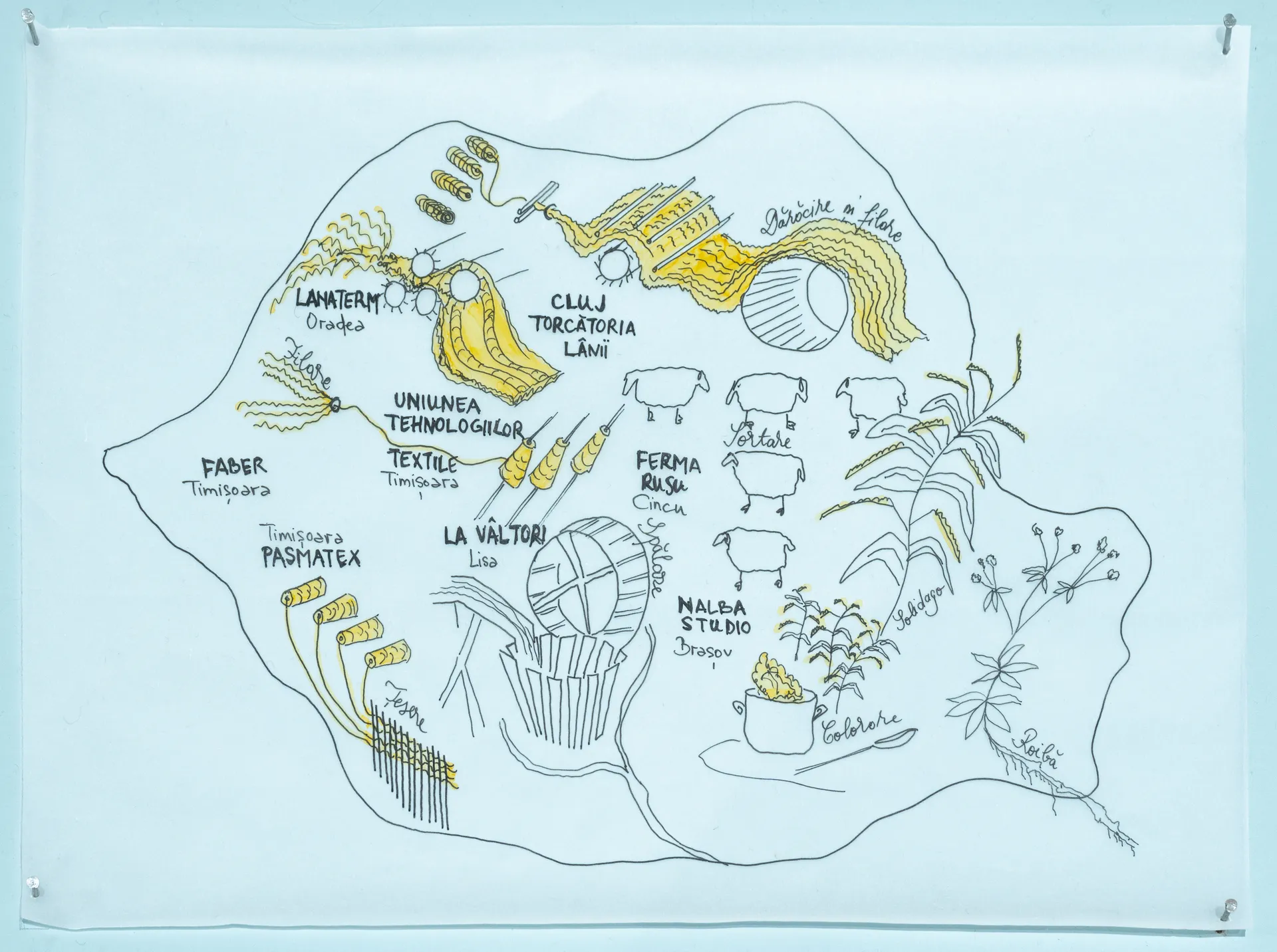
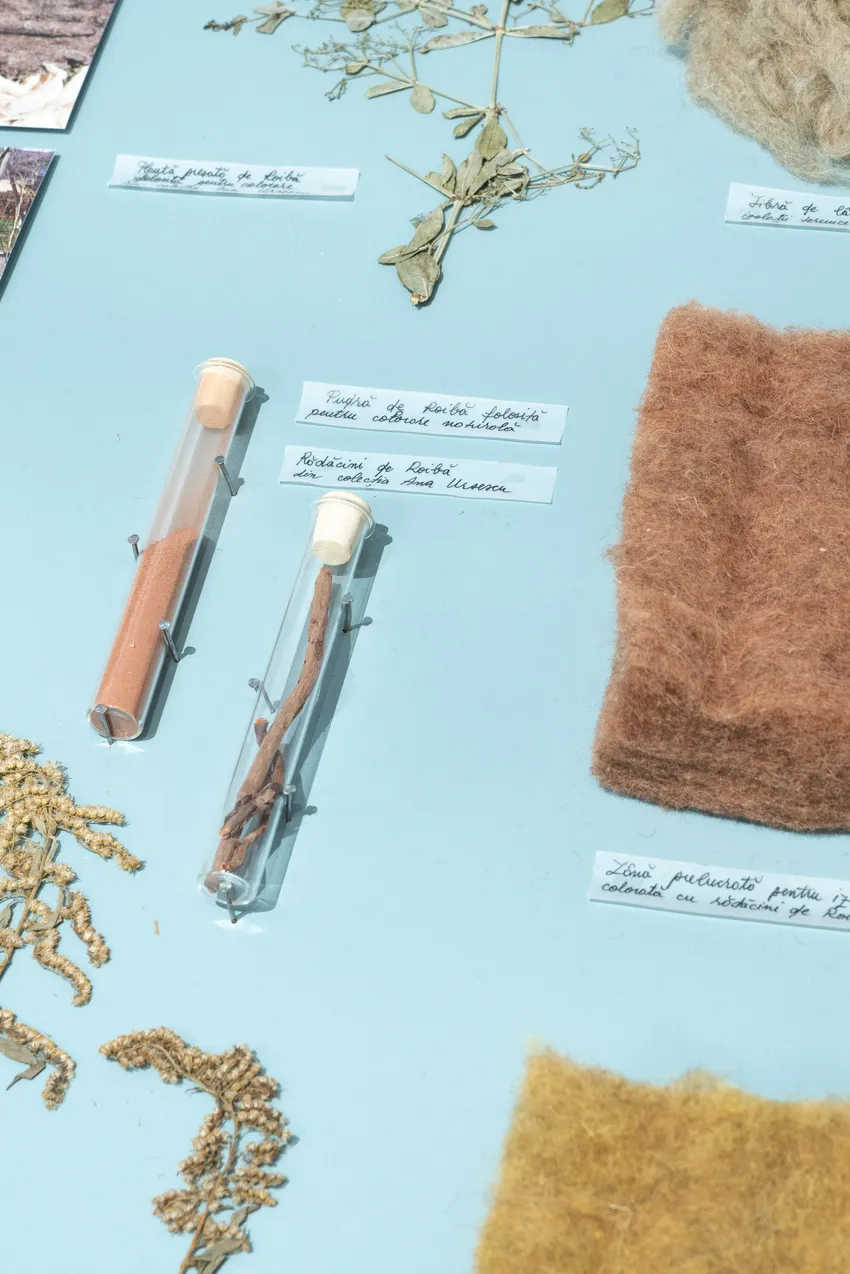
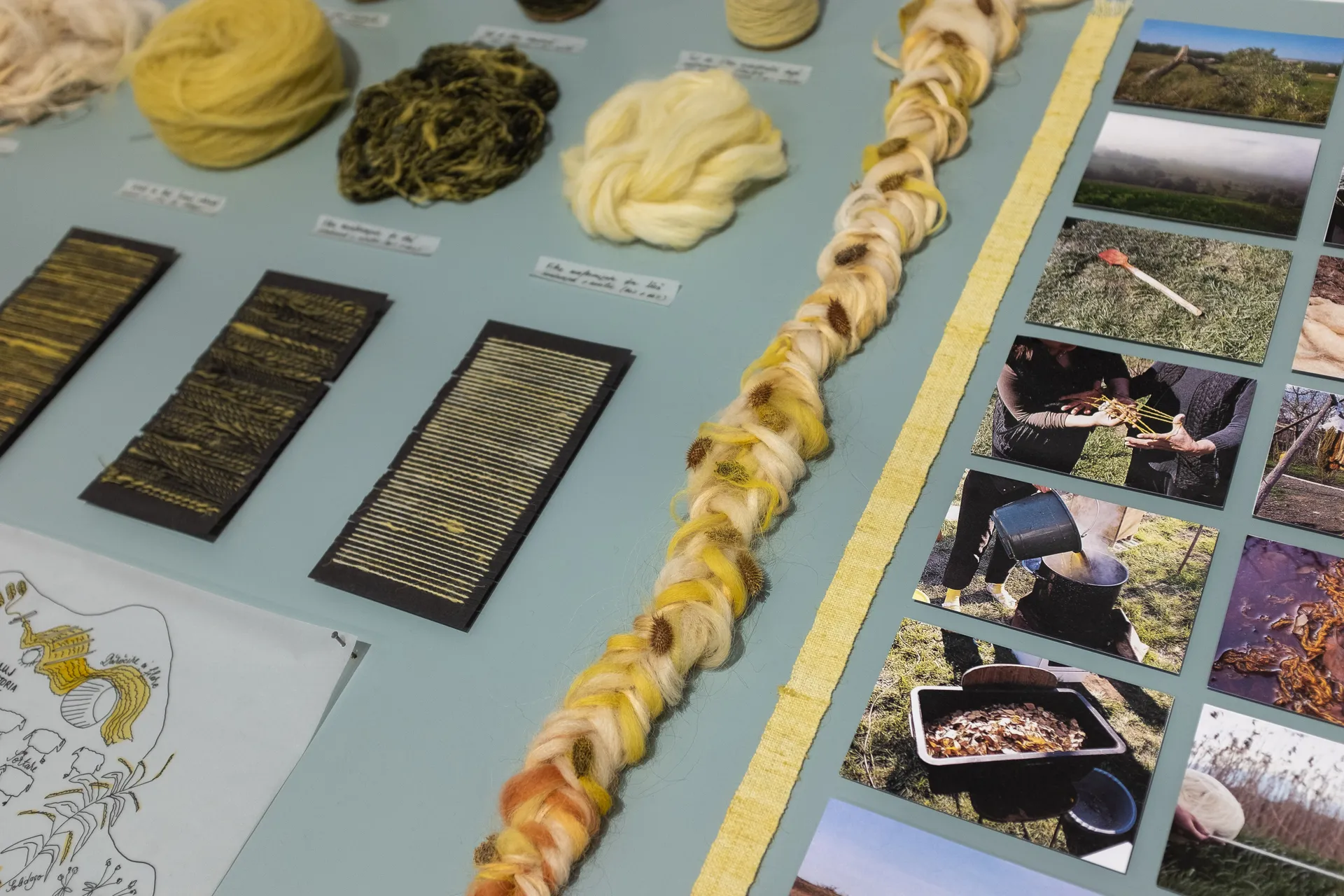
This project explores wool as more than just a material, viewing it as a complex, interconnected system. Through dialogues with actors in the wool sector across Transylvania and Banat, Lavinia Ghimbășan delves into traditional practices such as farming, shearing, dyeing, spinning, and weaving. By using design as a mediation tool, the project prototypes new collaborations that breathe life into local wool, transforming it into contemporary forms that harness its renewable, biodegradable, thermal and acoustic potential. ”Back to Our Sheep” blends the forgotten with the contemporary, and its ambitious aim is to spark the regeneration of Romania’s wool industry and craft traditions.
1/4
2/4
3/4
4/4
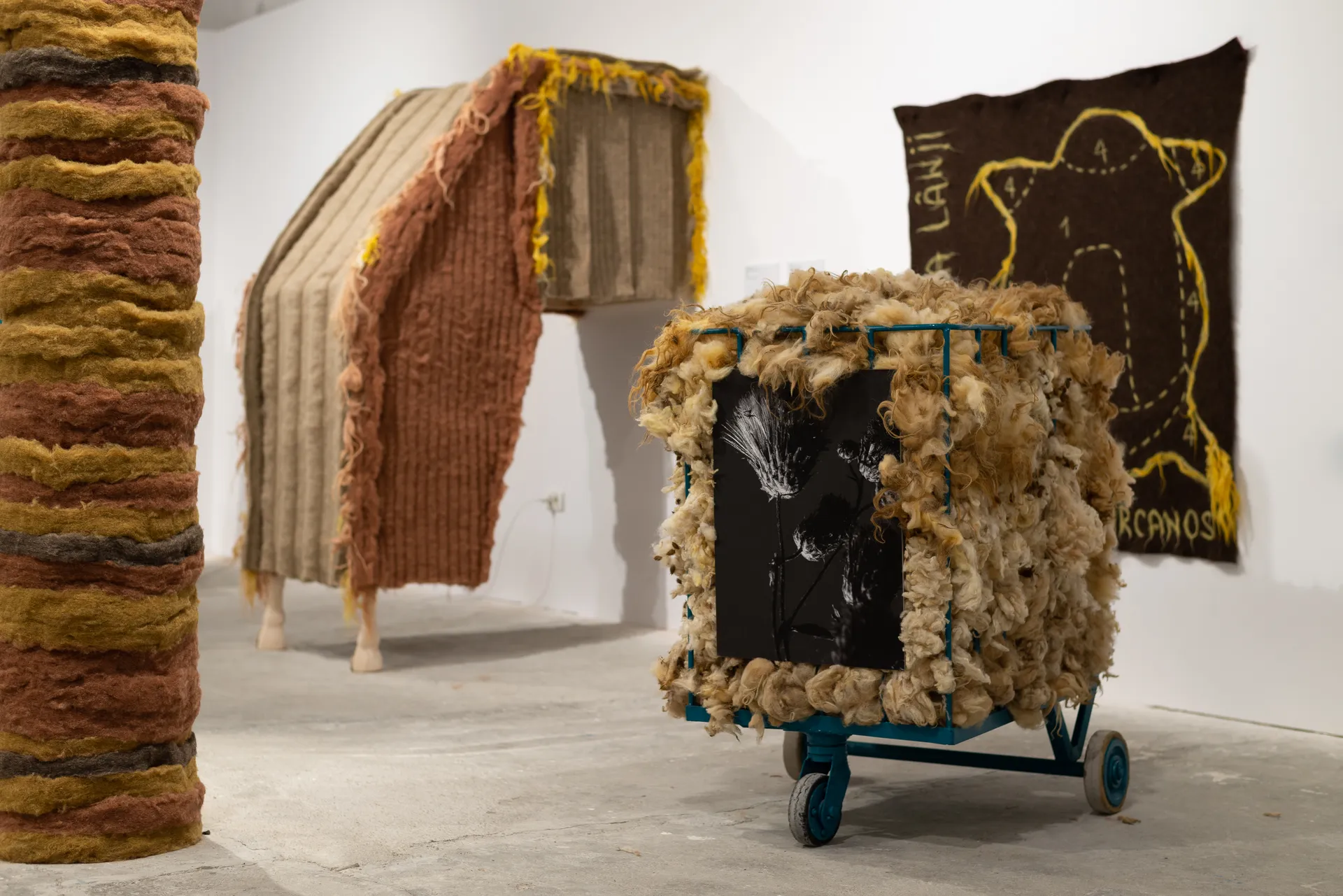
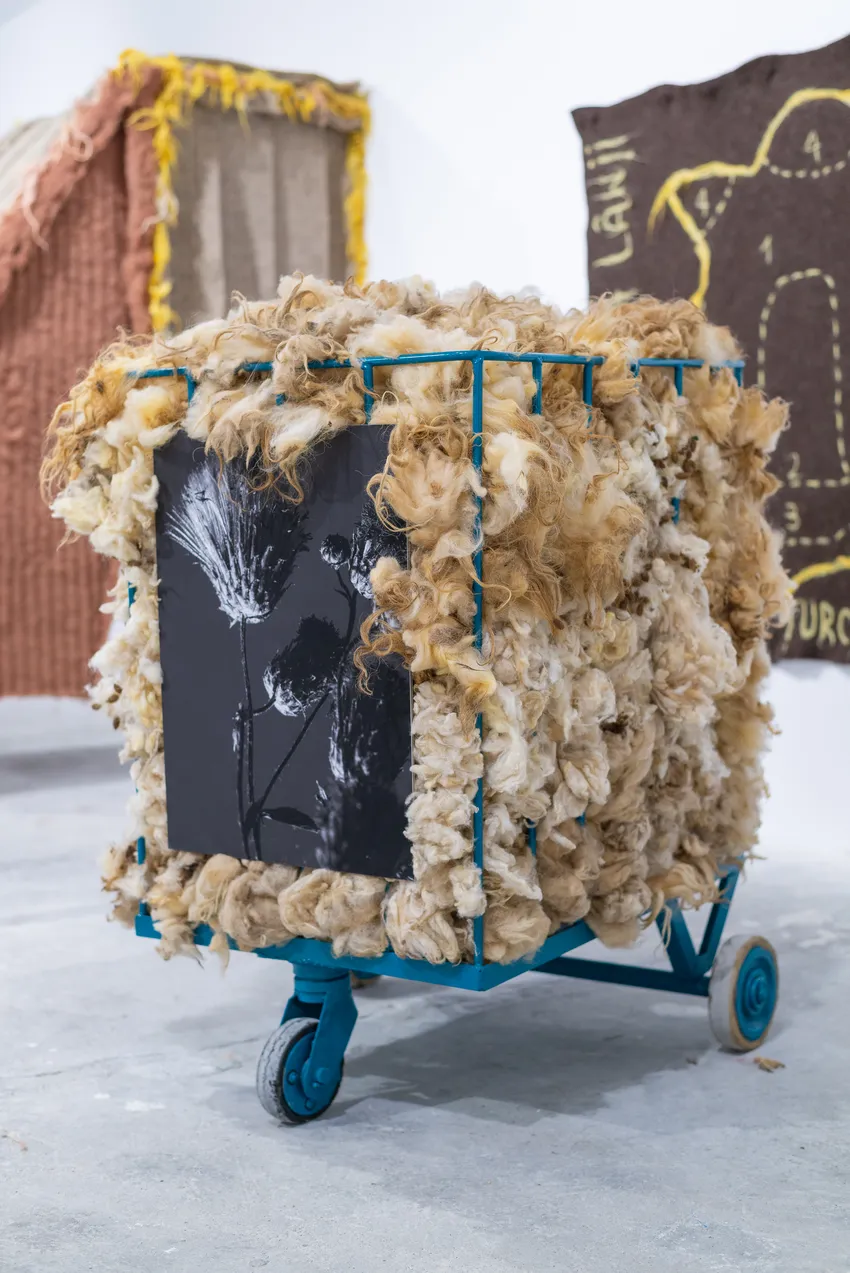
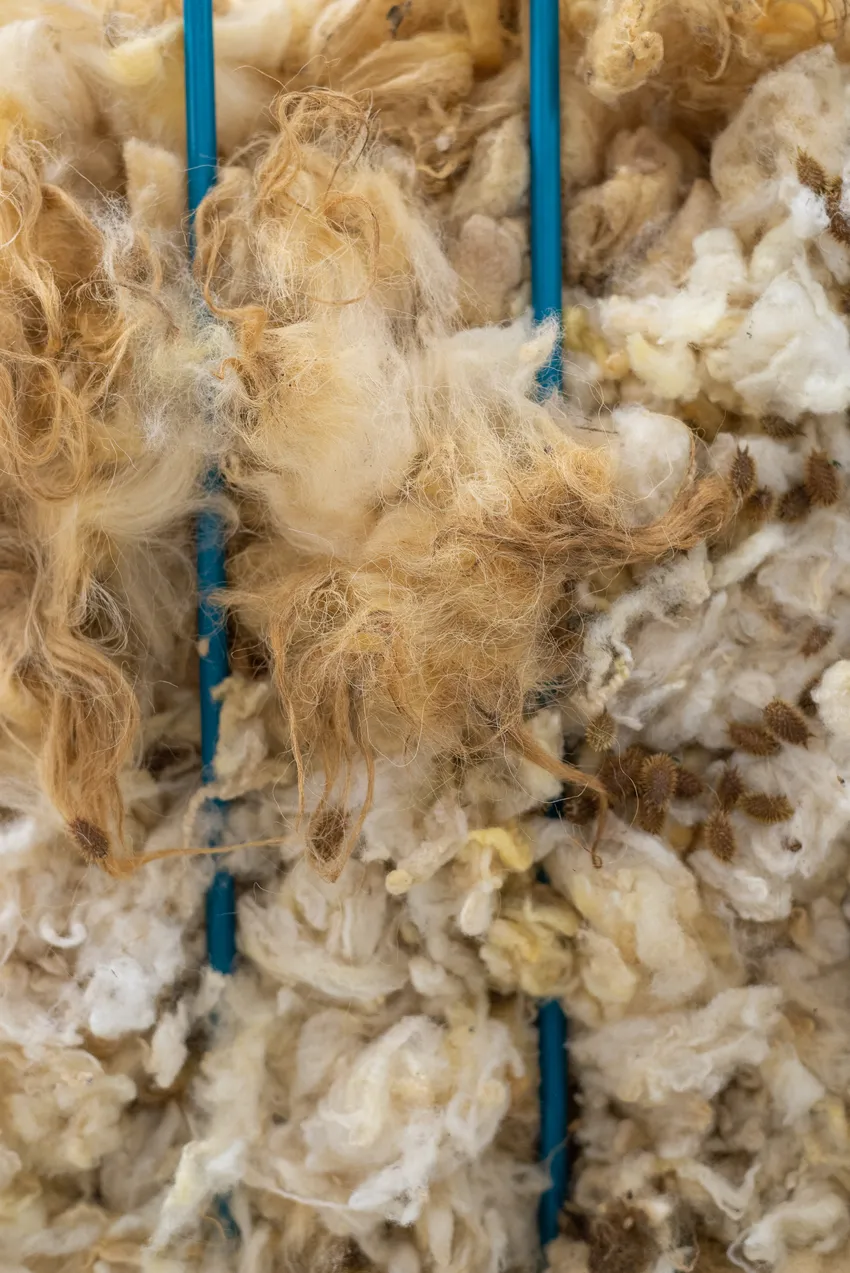
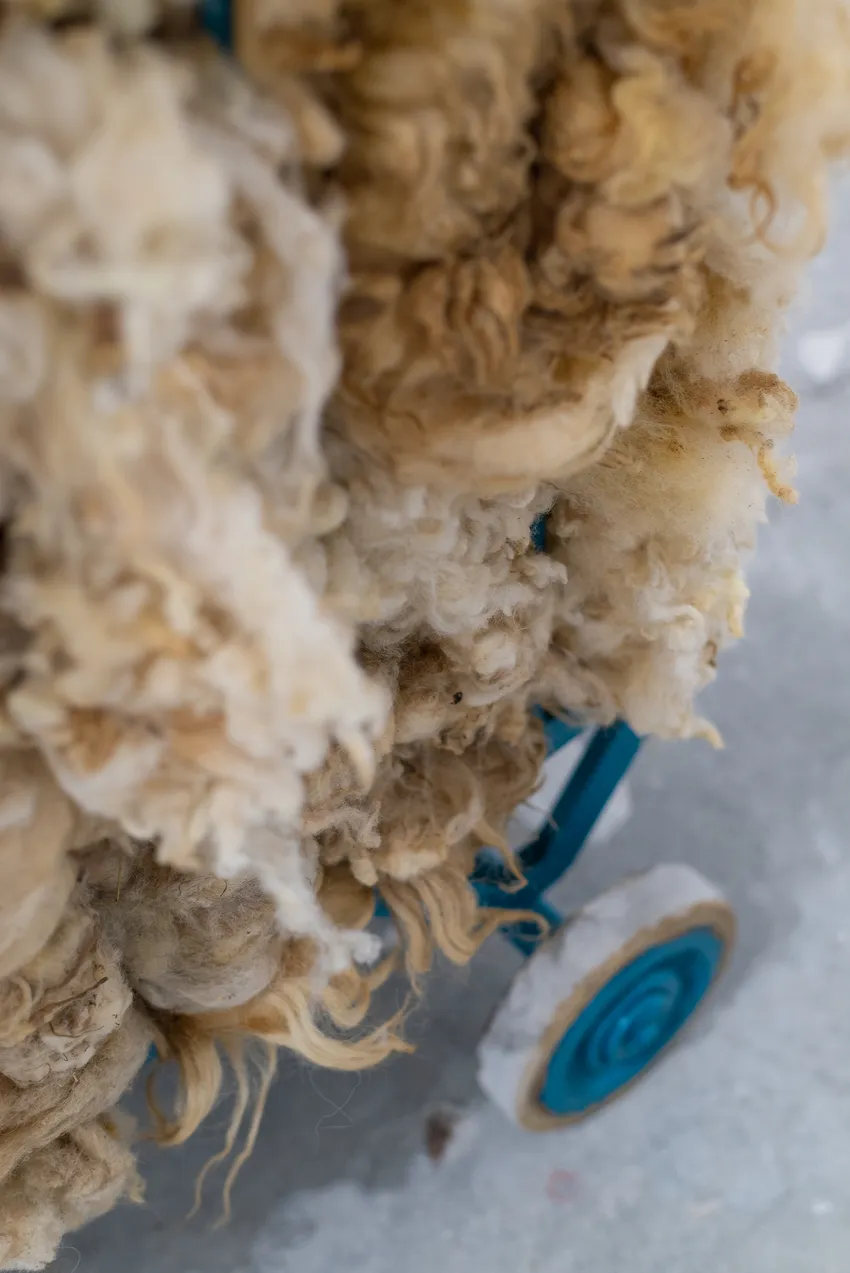
Raw wool
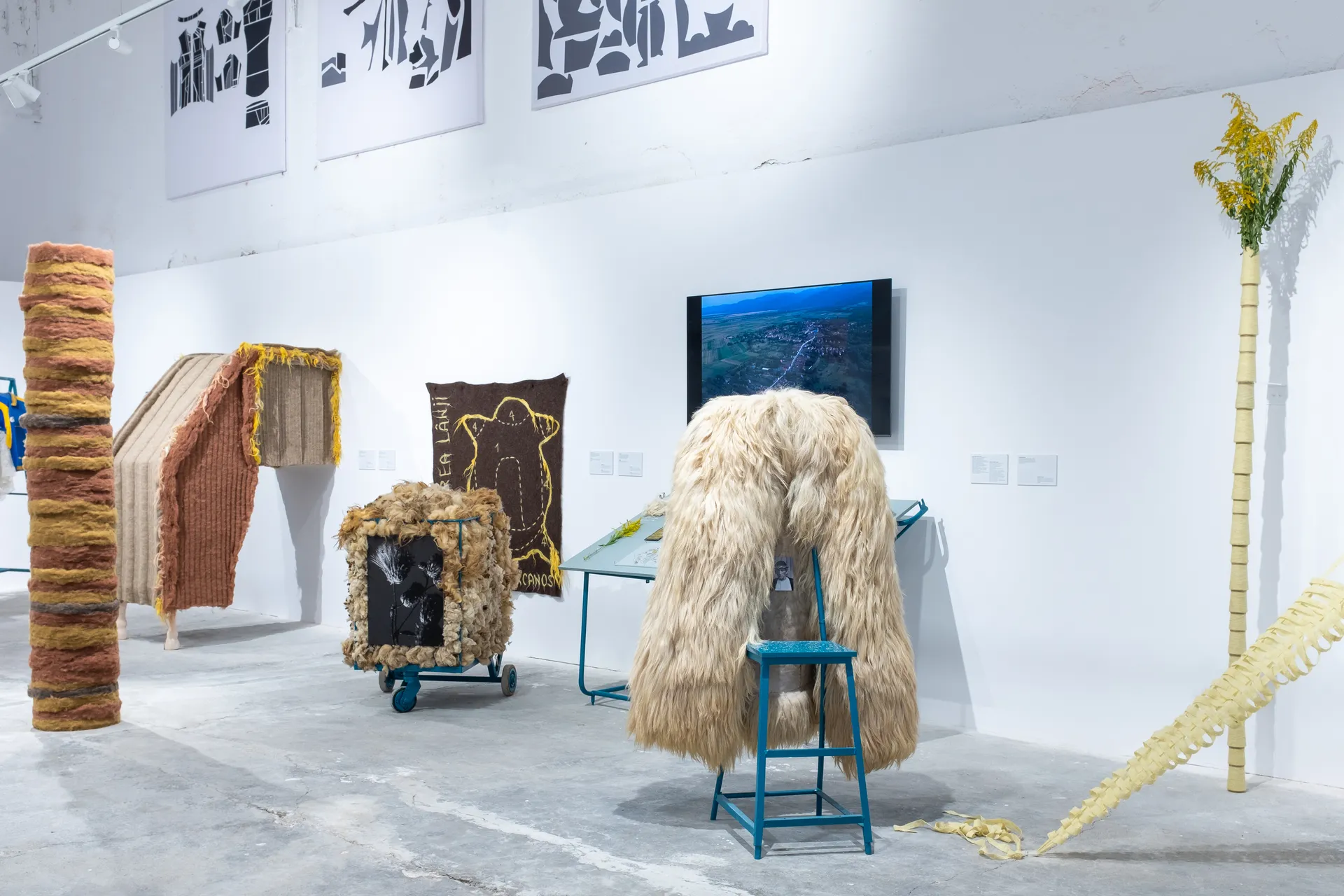
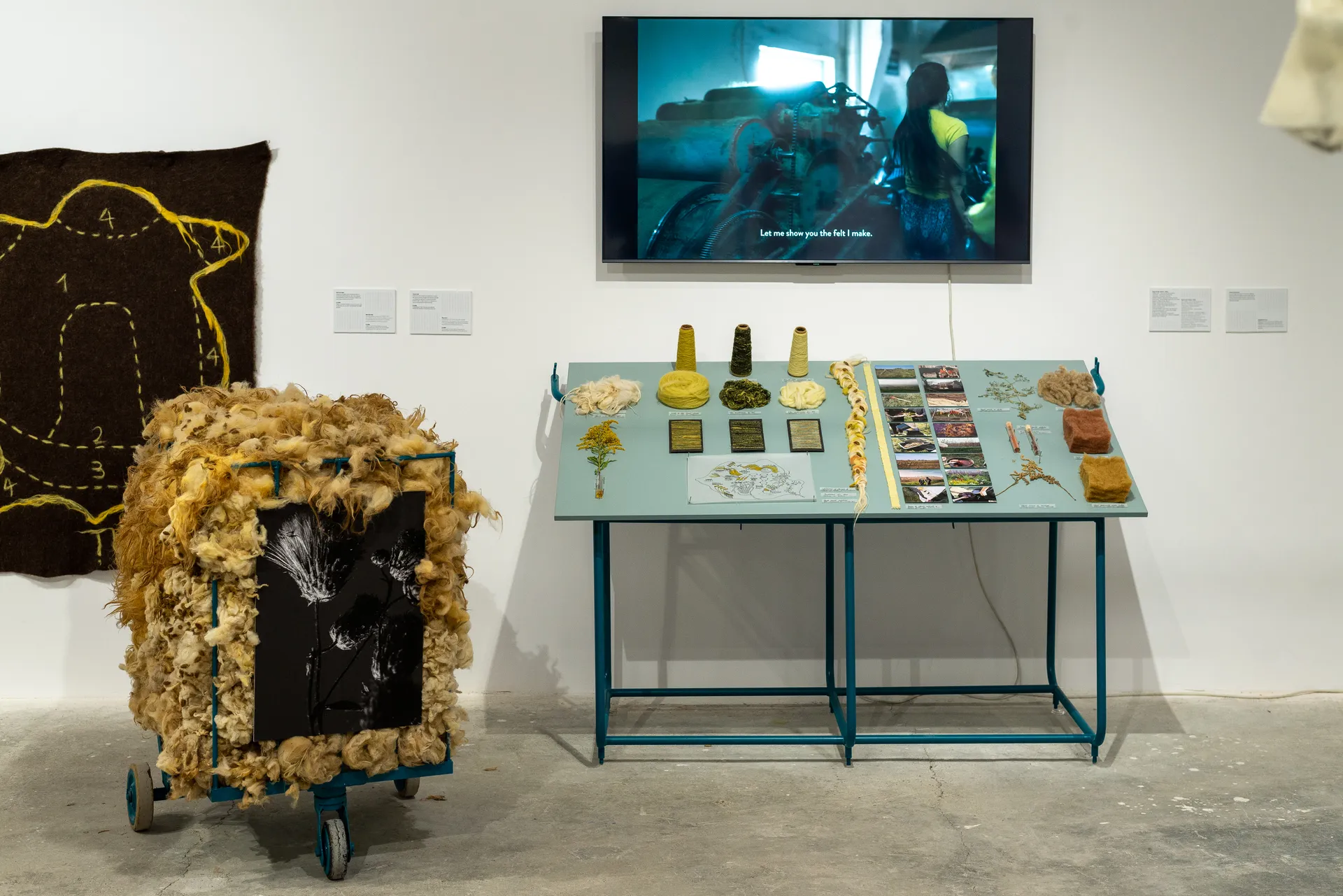
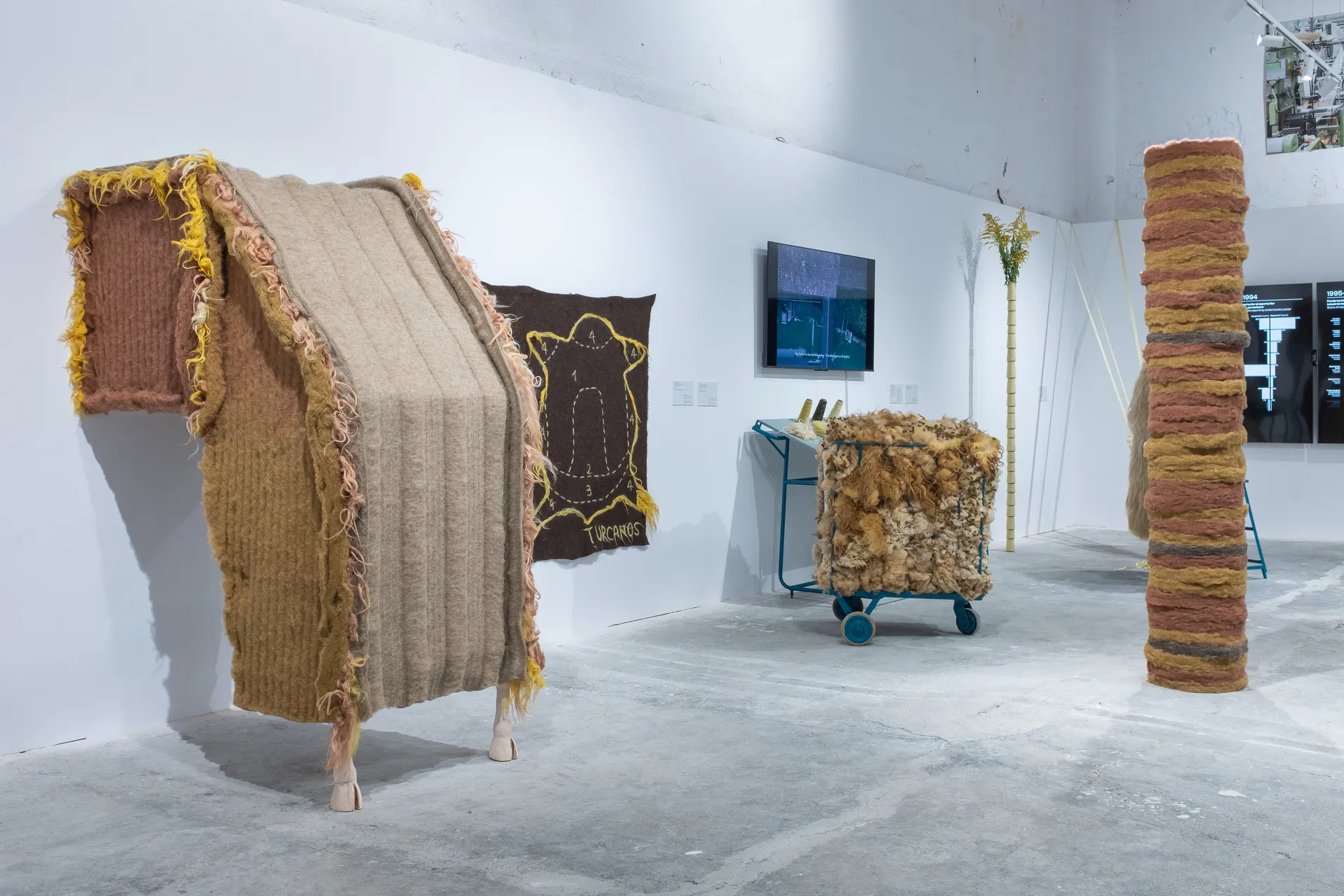
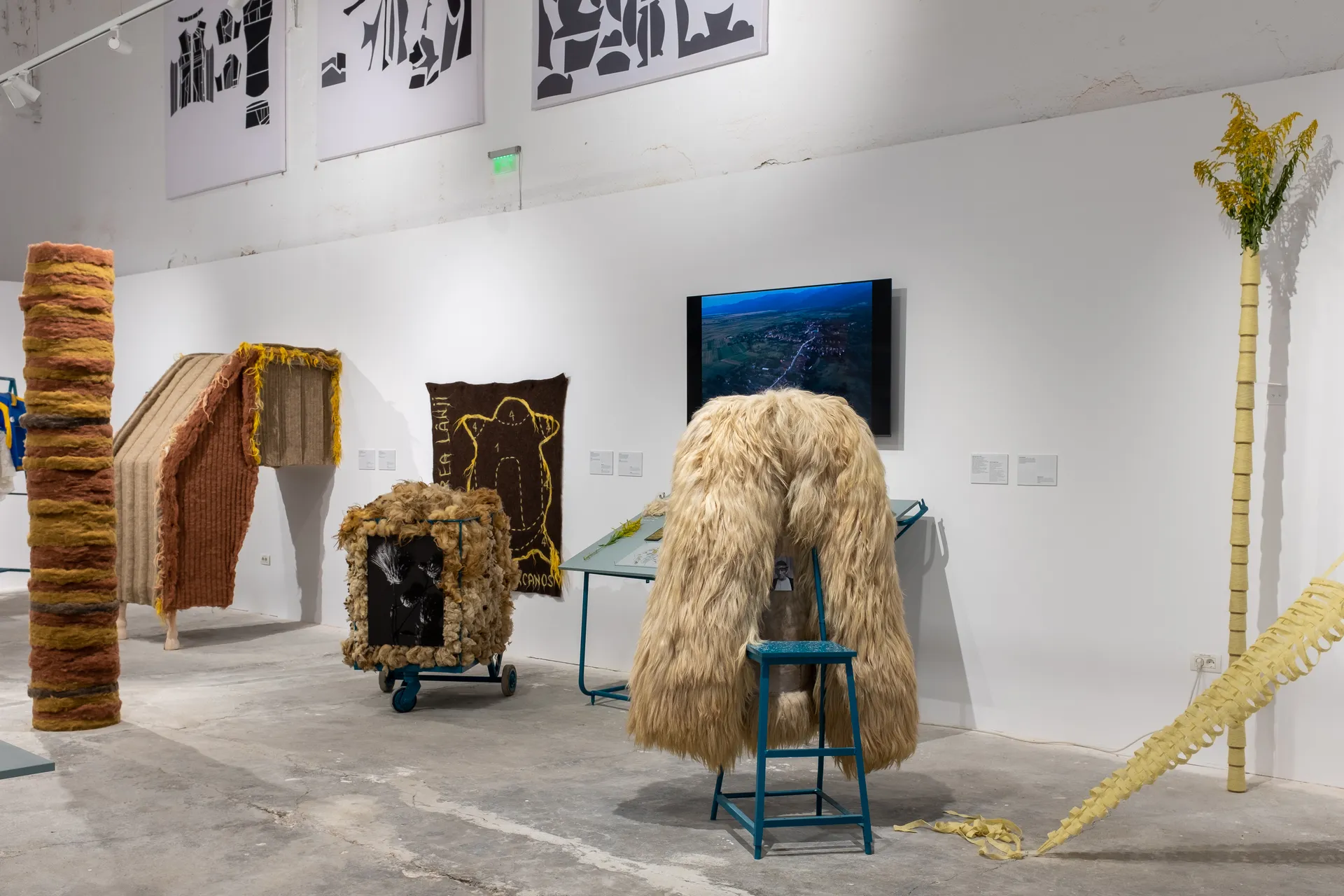
Sourced from a farmer in Cincu, this container presents a current snapshot of the wool ecosystem in Transylvania and Banat—raw and real emphasising the artistry involved in transforming wool.
Credits
Photography by Tudor Cioroiu, Bucharest, Ro
Raw wool offered by Ferma Rusu, Cincu, Brasov, Ro
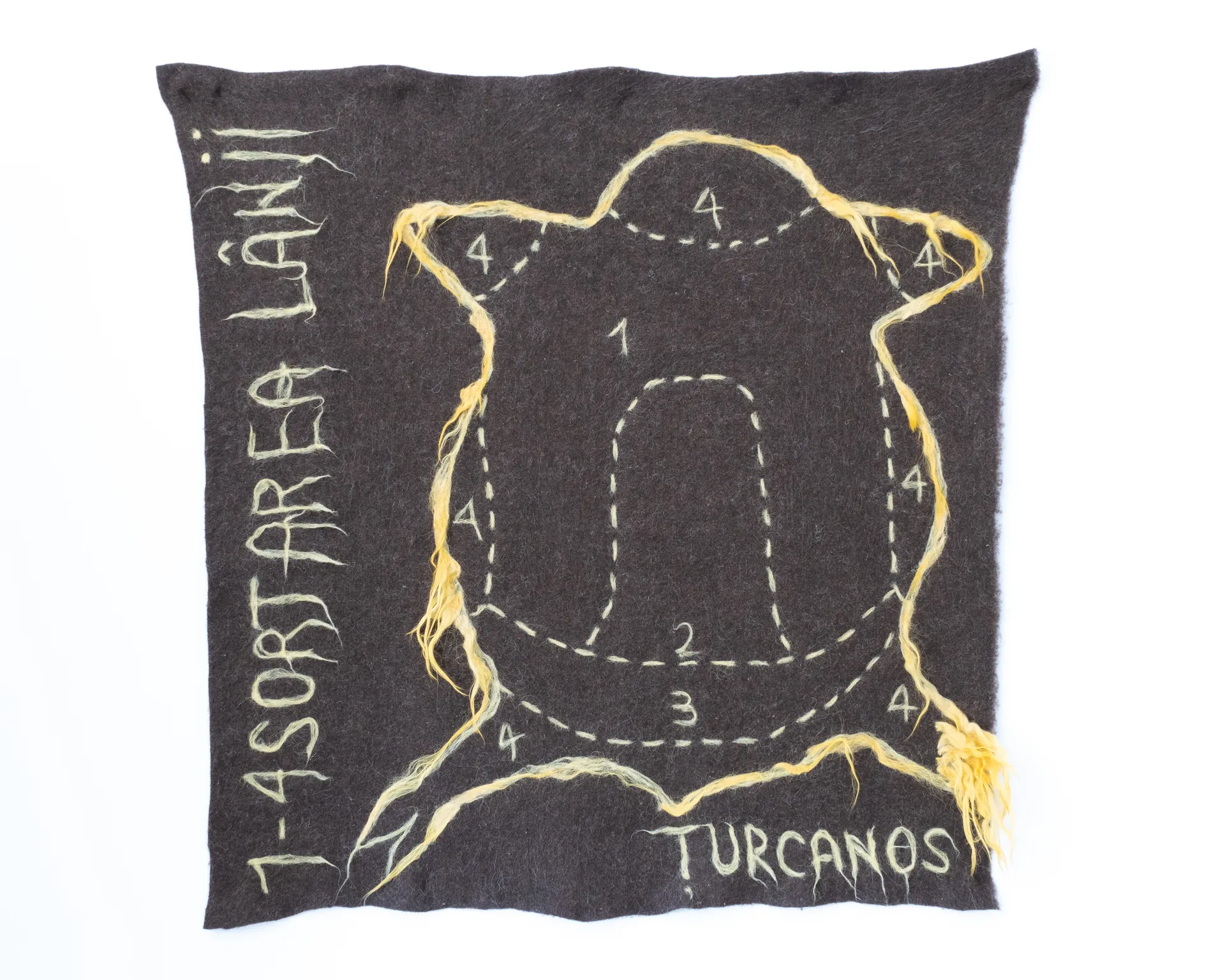
Wool Sorting
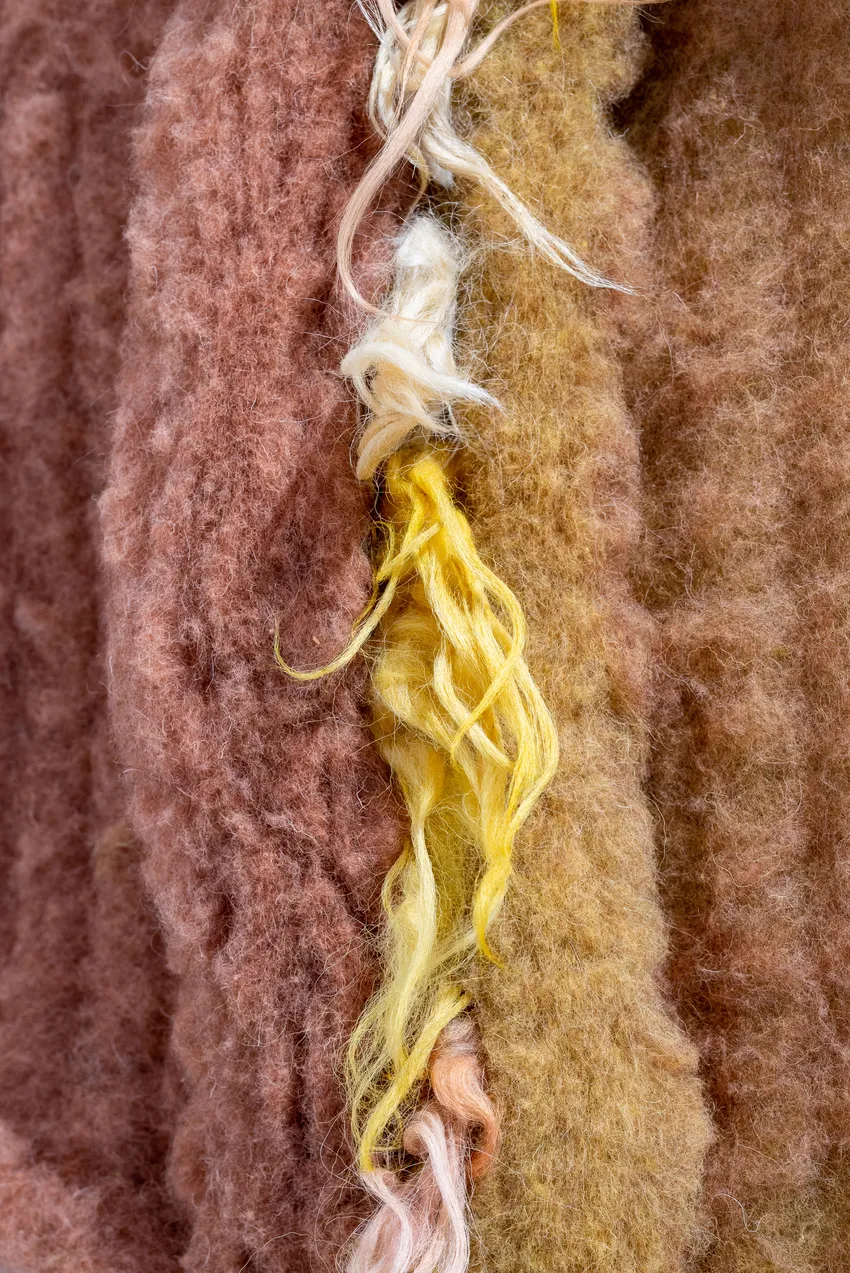
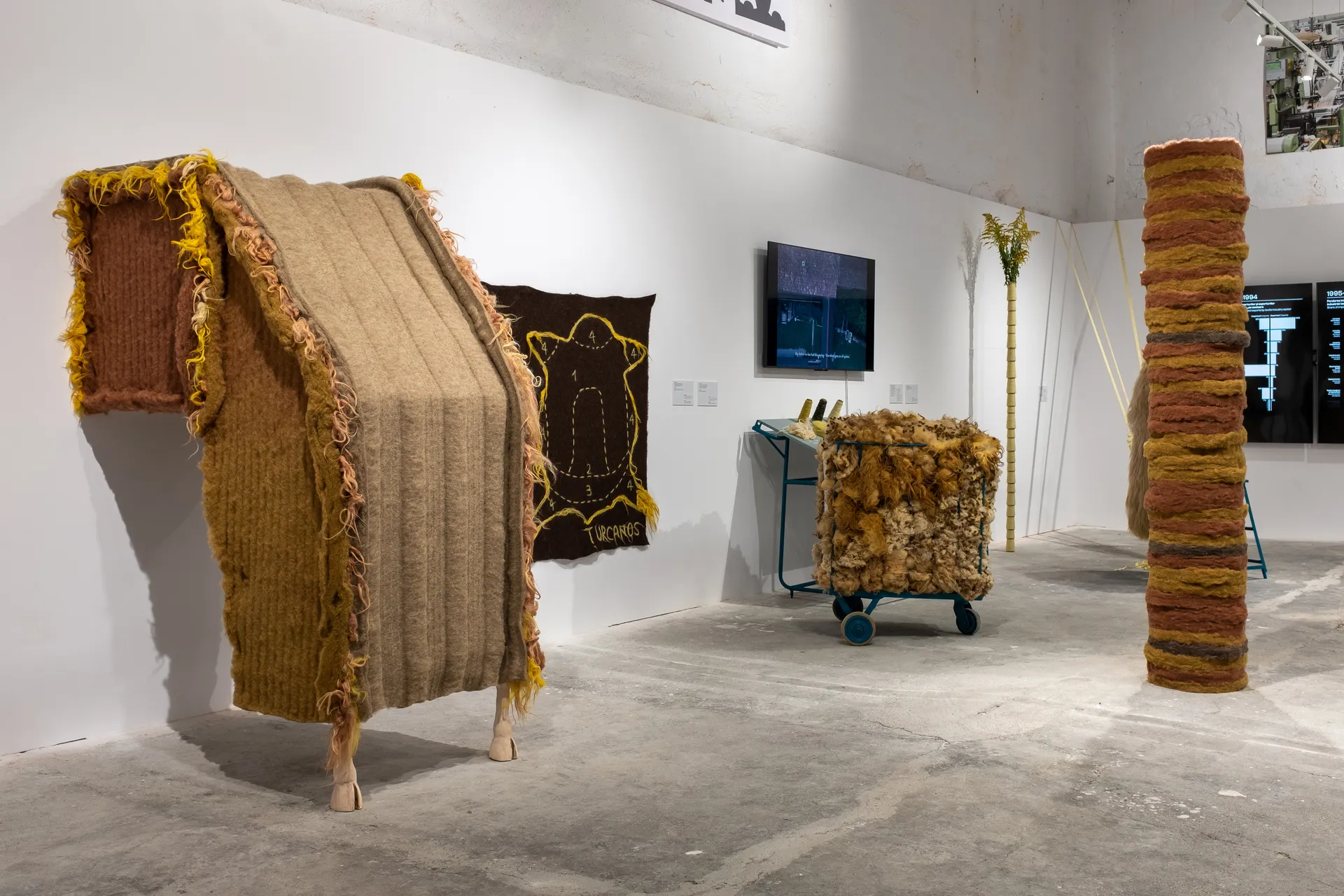
The felted diagram shows the forgotten craft of how a sheep’s wool is sorted and graded. It is made through felting local Țurcana wool on industrial-purpose insulation, produced by LanaTerm.
Credits
Object created through felting on acoustic wool insulation provided by the wool insulation manufacturer from LanaTerm in Oradea.
1/4
2/4
3/4
4/4
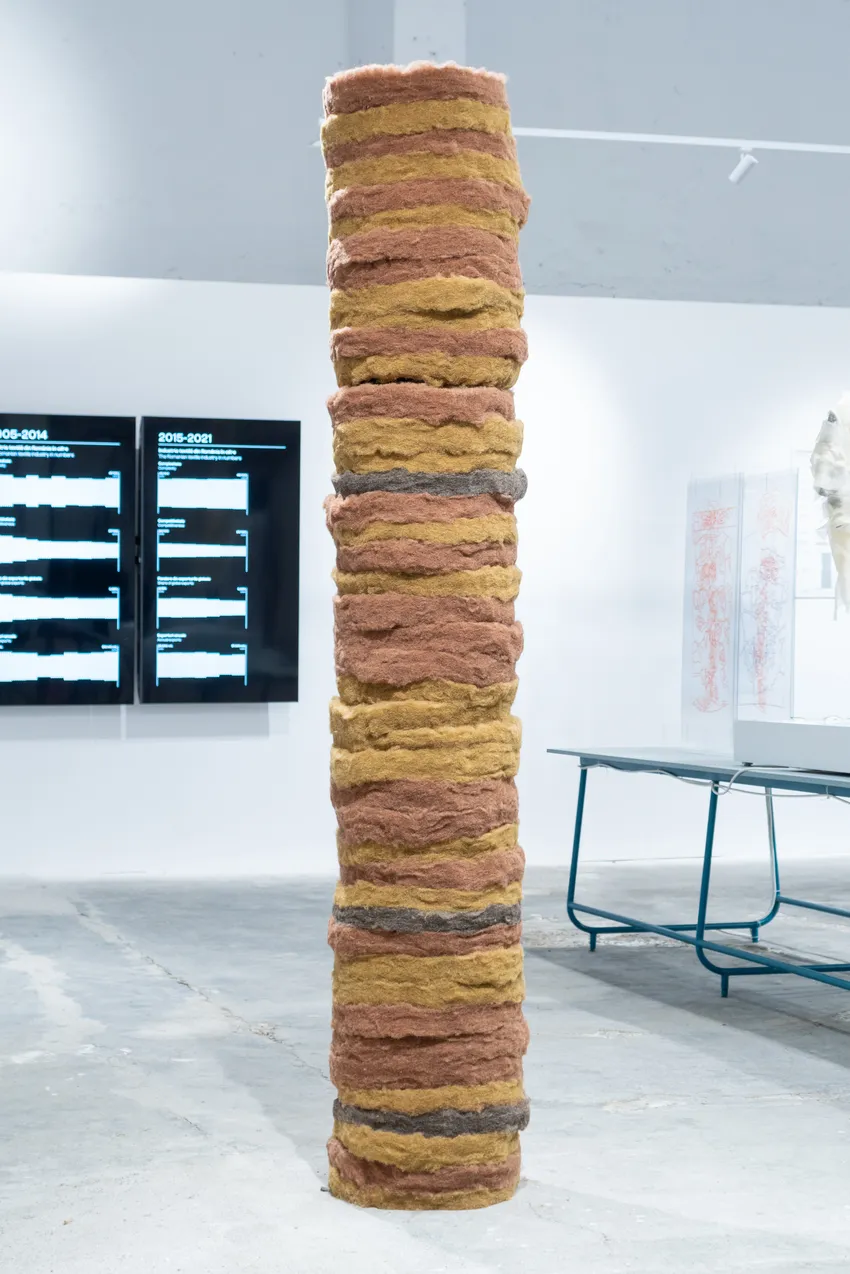
Wool’s new era
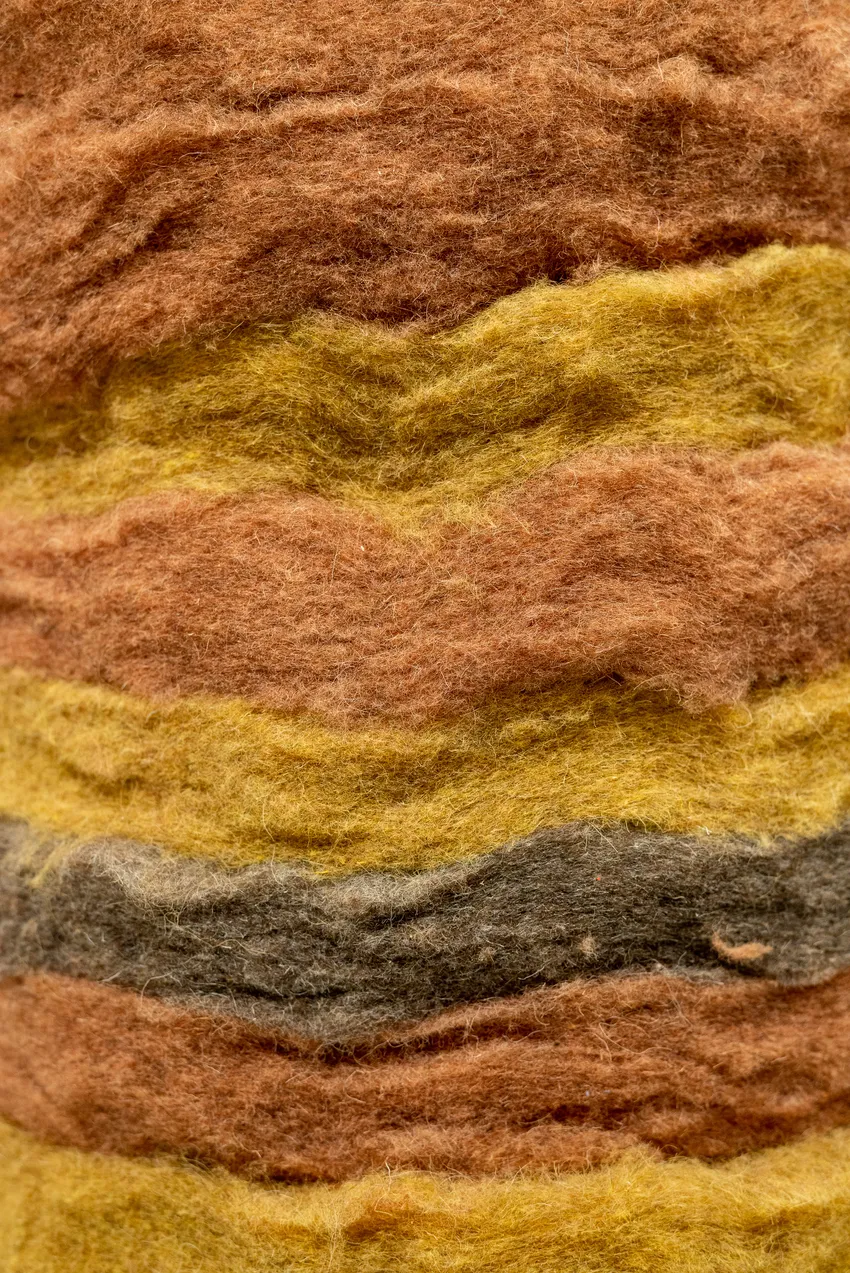
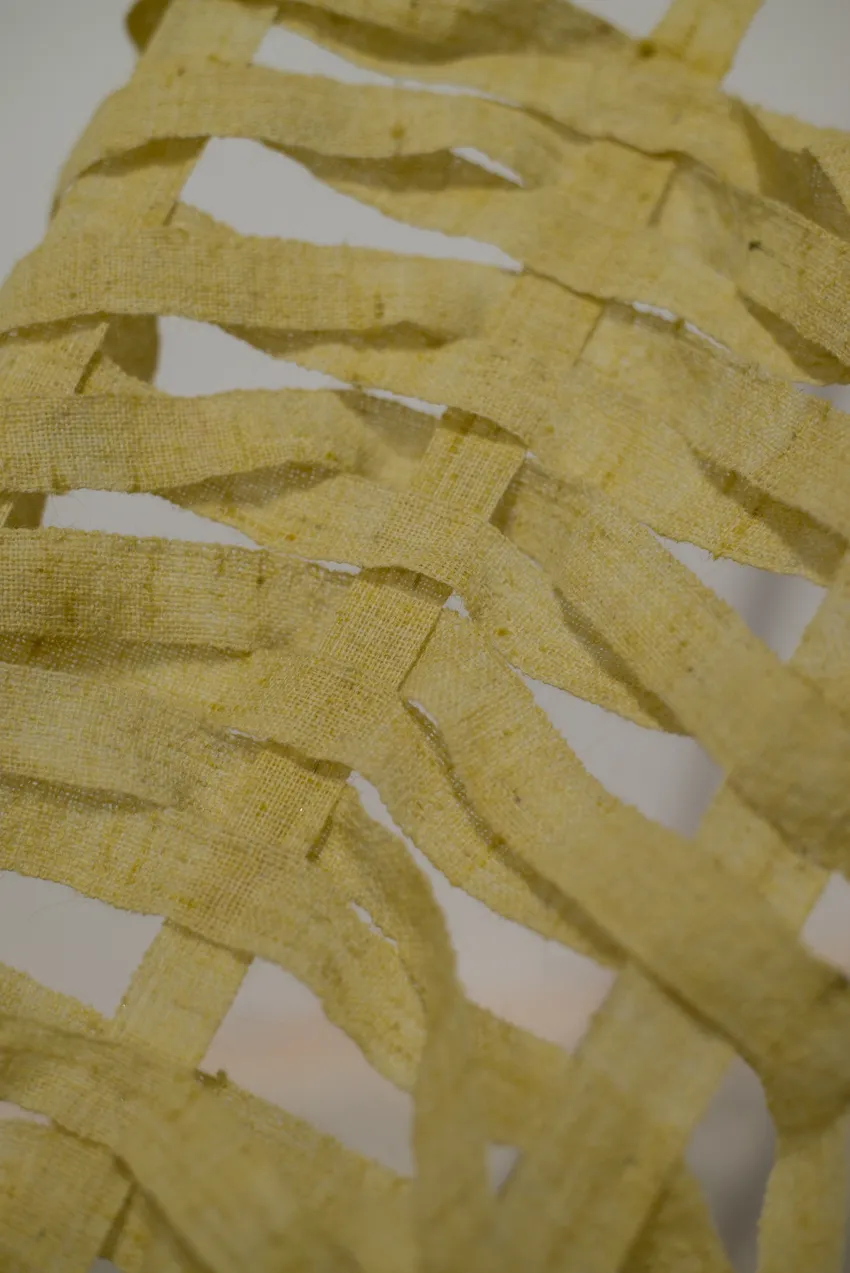
An installation of blocks of LanaTerm insulation felt emphasises wool’s contemporary use in the construction industry as thermal and sound insulation./
Credits
Wool-Insulation Manufacturer LanaTerm, Oradea
Colored by Nalba Studio, Brasov
1/4
2/4
3/4
4/4
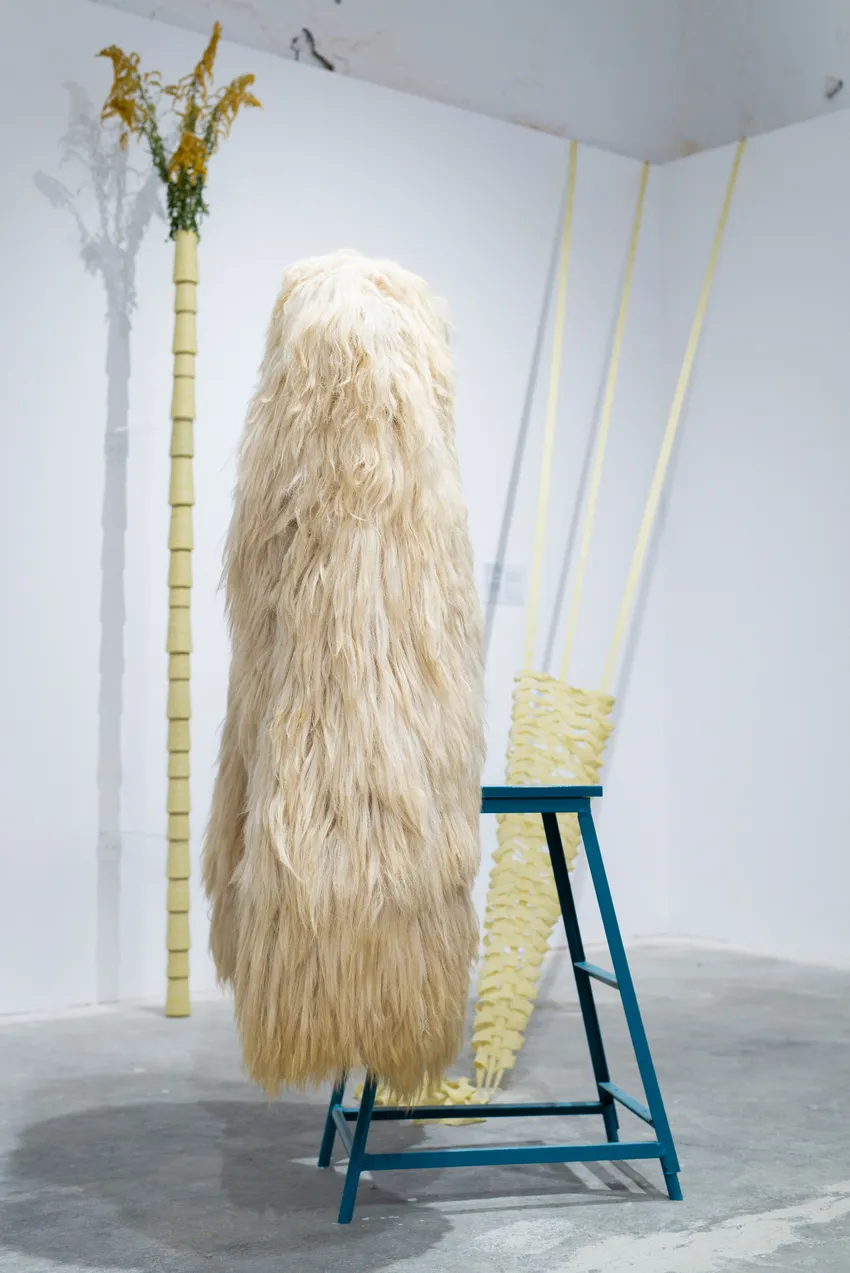
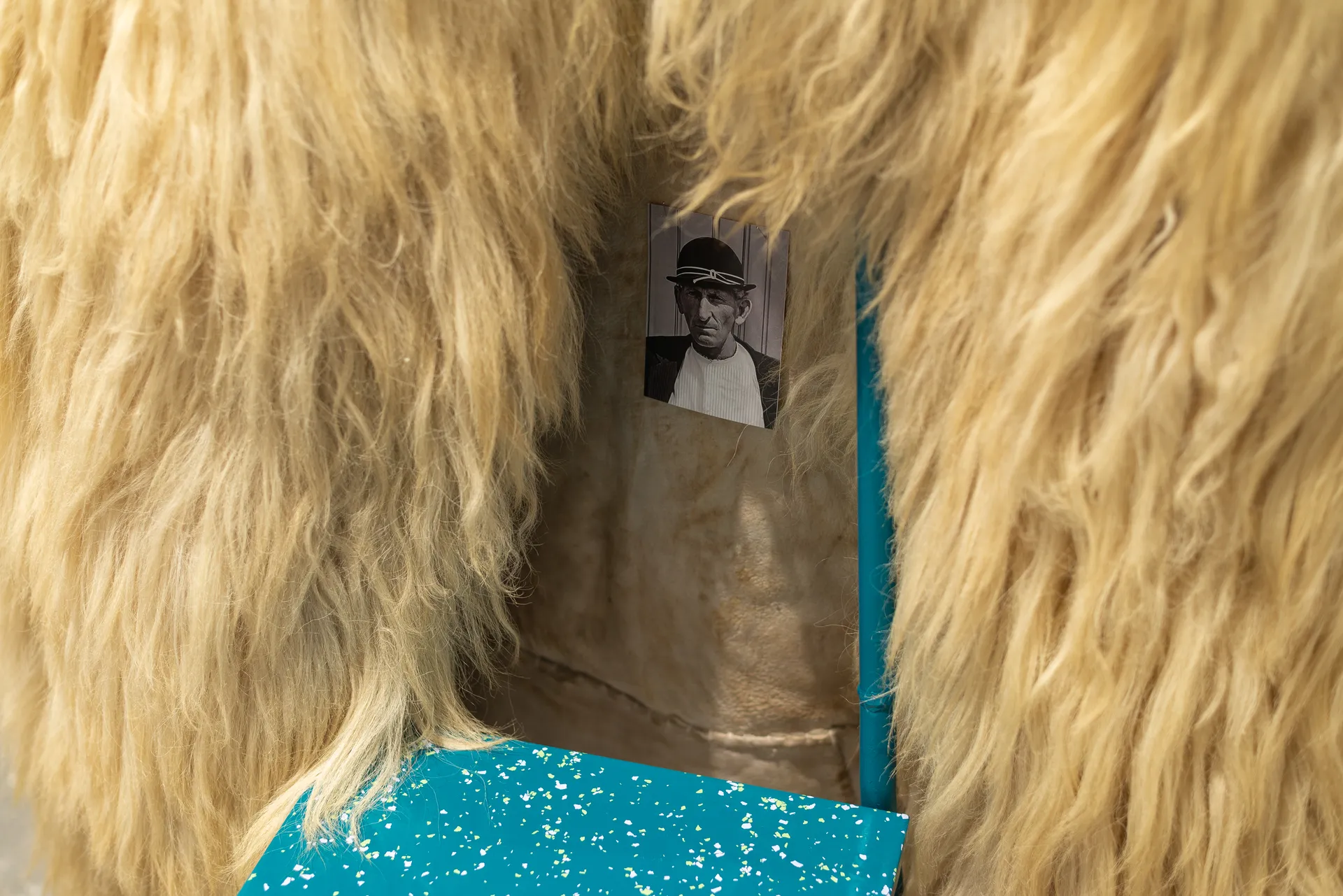
Shepherd’s coat
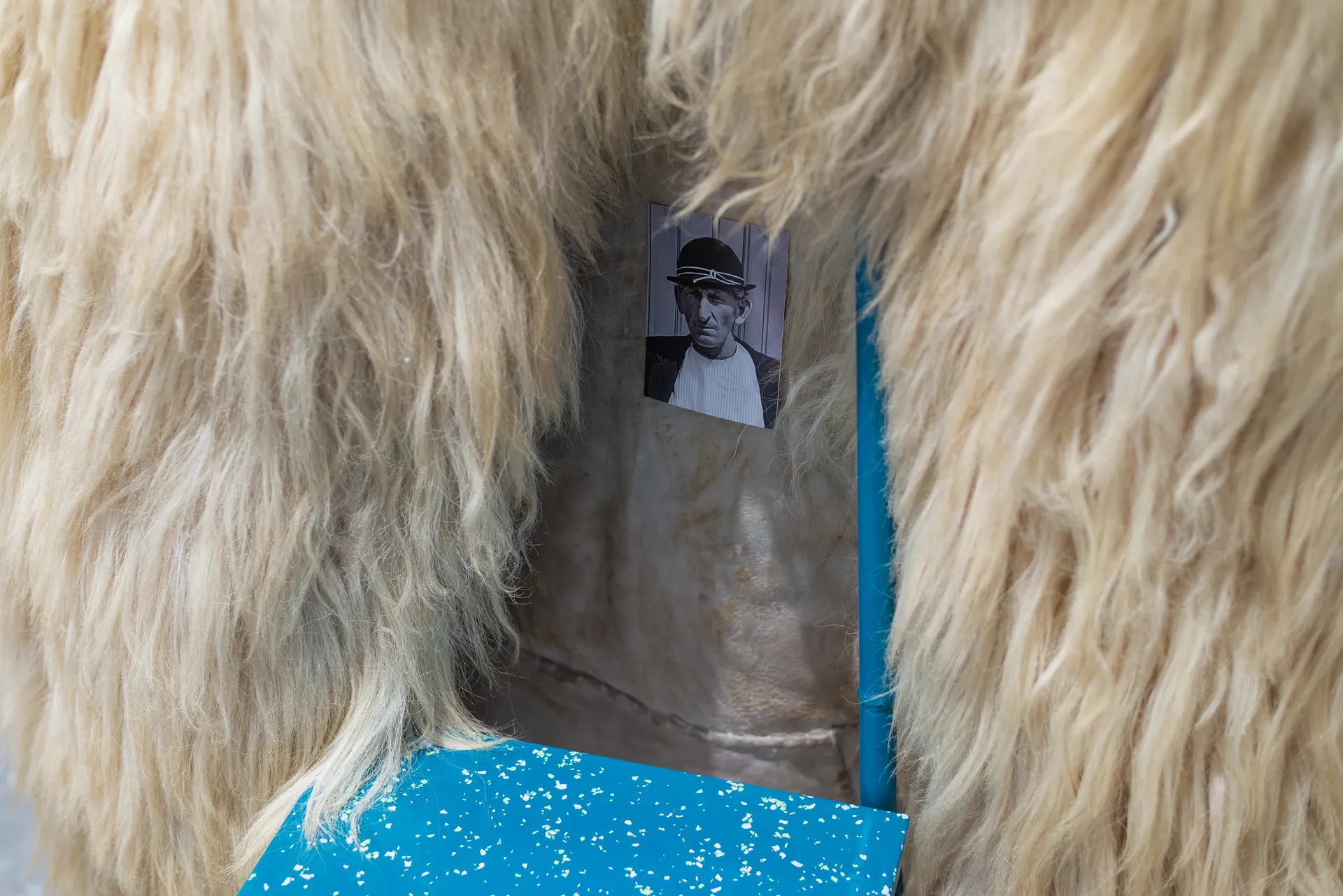
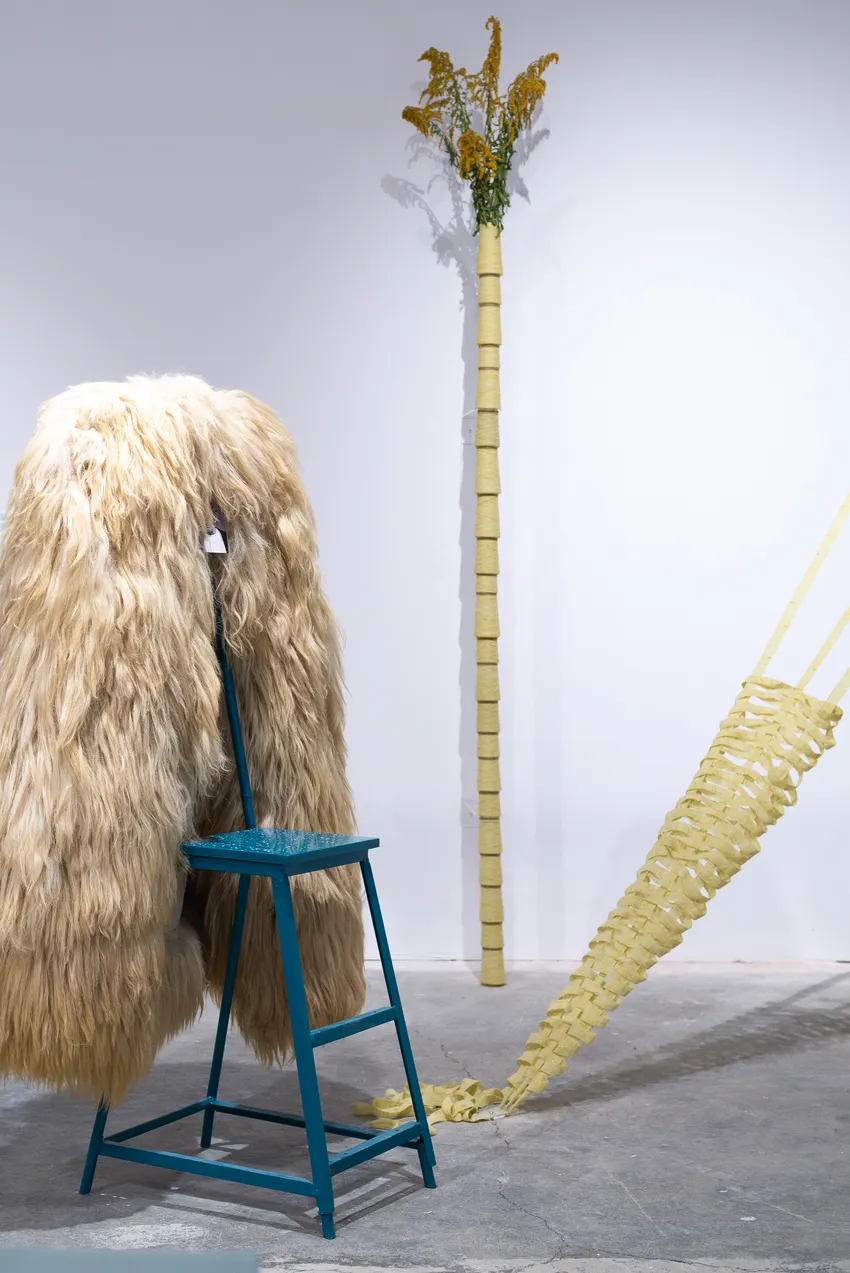
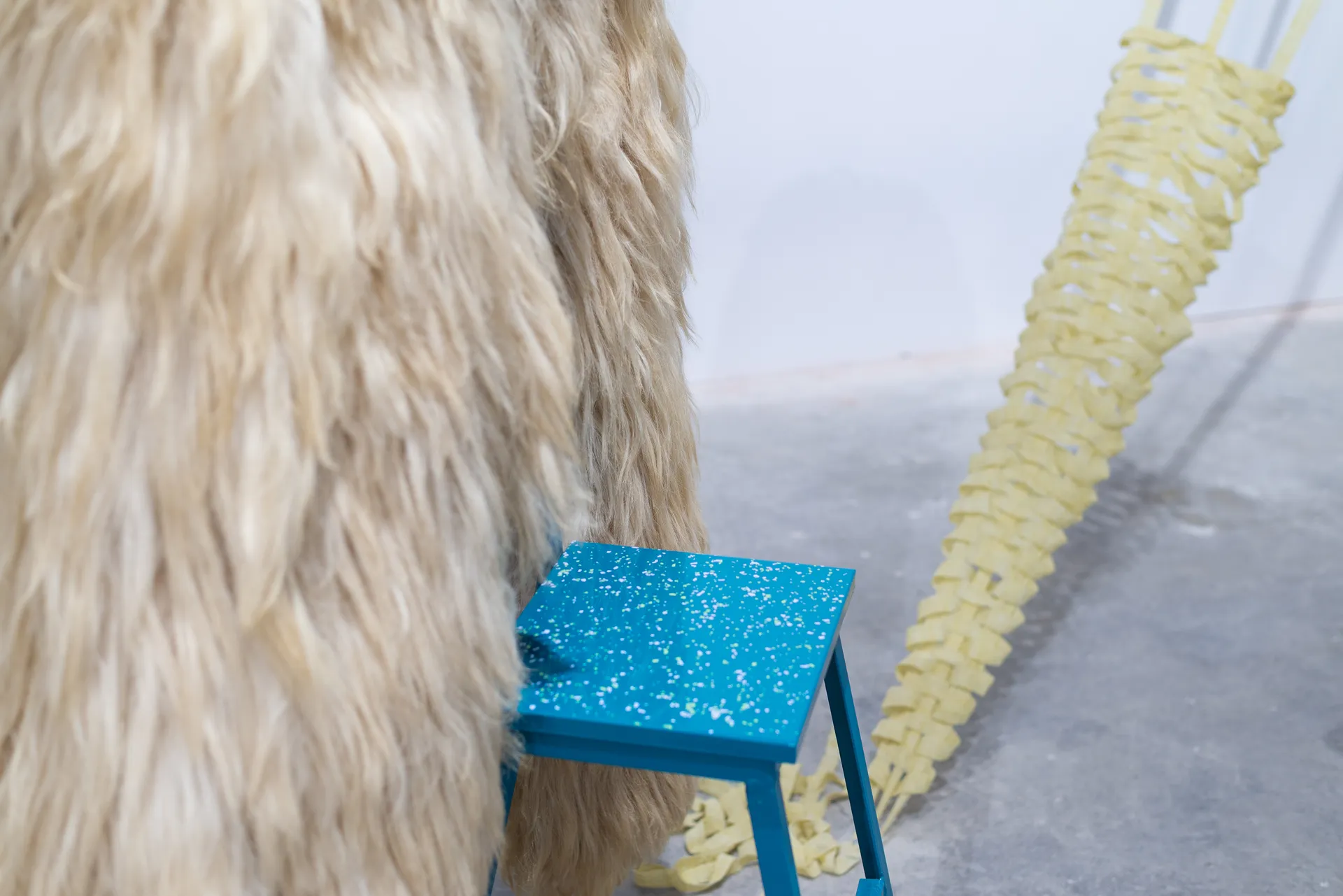
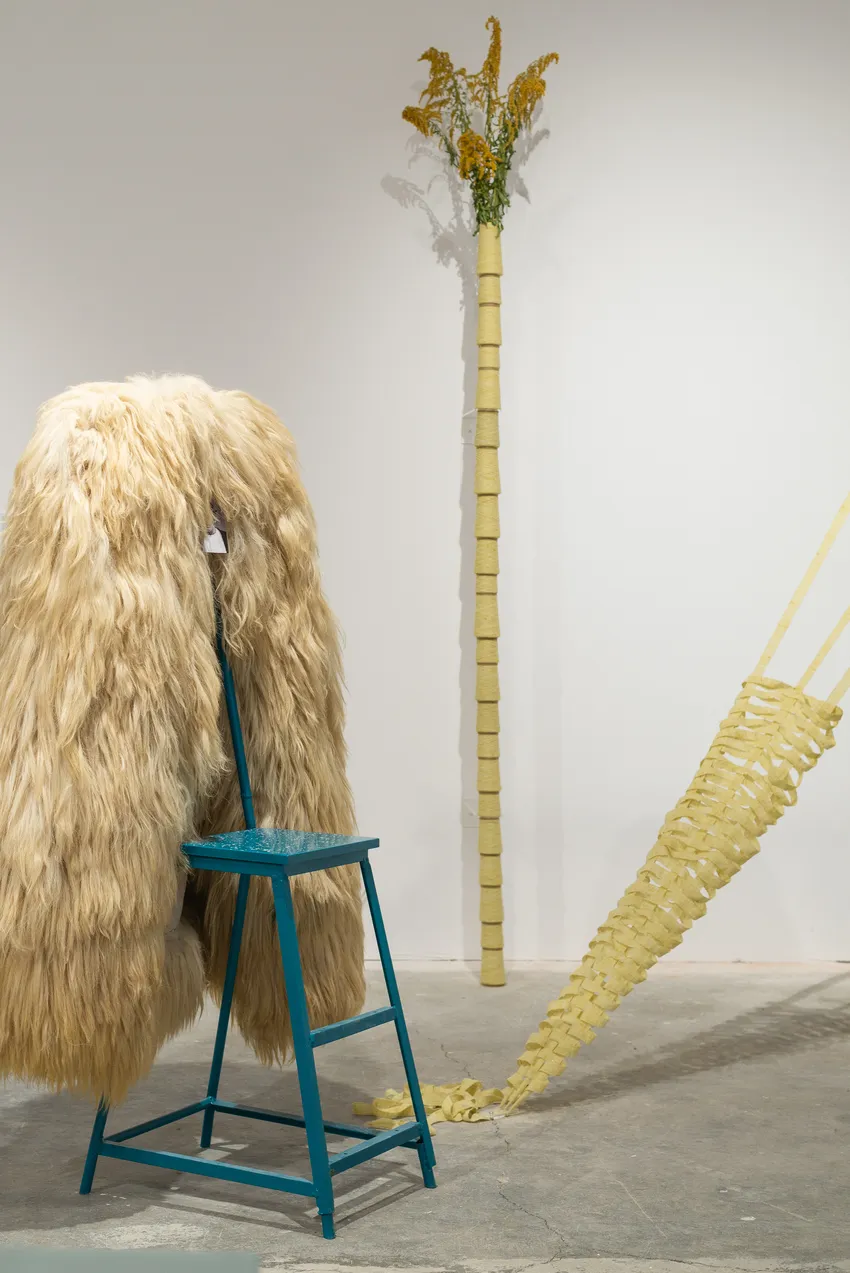
Fifteen years ago, in Ticușul Nou, Făgăraș, Lavinia Ghimbășan’s grandfather sewed this shepherd’s coat from Țurcană sheep’s skin. It serves here as a reminder of Romania’s forgotten pastoral practices and crafts.
Credits
Oile / Familia mea / Capucine Robert - Lyon, Fr / Tudor Cioroiu - București, Ro / Ciprian Marin- Brașov, Ro / Ferma Rusu - Cincu, Ro / Marlene Herberth - Cincu, Ro / Aurelie Morillas - Agnita, Ro / Laura Bec - Ariege, Fr / Gaby Bouvier - Tarn, Fr / La Vâltori- Lisa, Brașov, Ro / Greavu Maria Viorica - Lisa, Brașov, Ro / Studio Nalba - Brașov/ Ro - Lyon/ Fr / Ana Bucuraș - Brașov, Ro / Cosea Wool - Cluj-Napoca, Ro/ Andreea Onaca, Cluj-Napoca, Ro / Uniunea Tehnologiilor Textile (UTT) - Timișoara, Ro / Constantin Dinca - Timișoara, Ro / Pasmatex - Timișoara, Ro / LanaTerm - Oradea, Ro / George Lupou, Oradea, Ro / Ana Ursescu - București, Ro