
Susanna Tomassini
Designer
Marian Ignat, Patricia Cîrtog, Susanna Tomassini
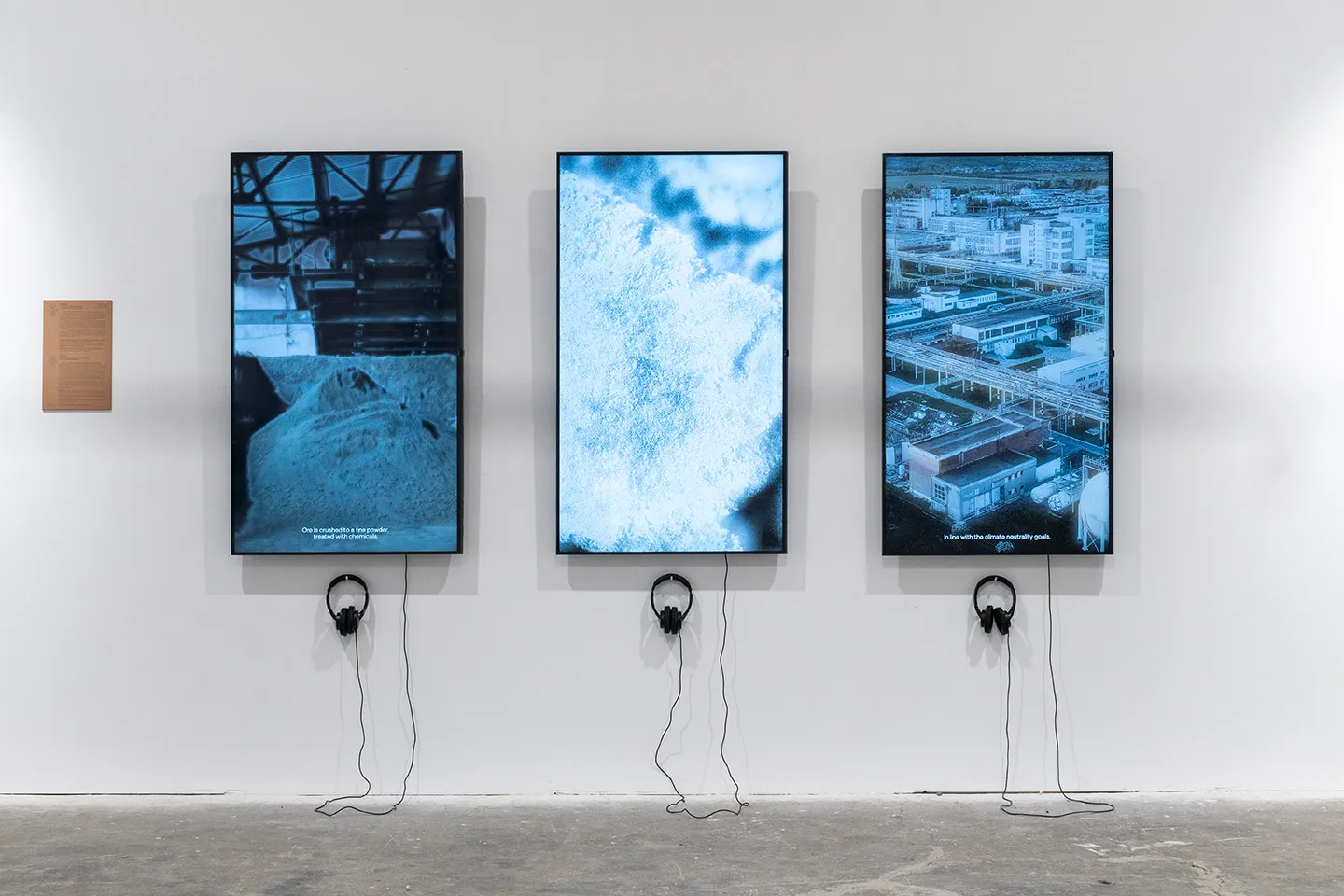
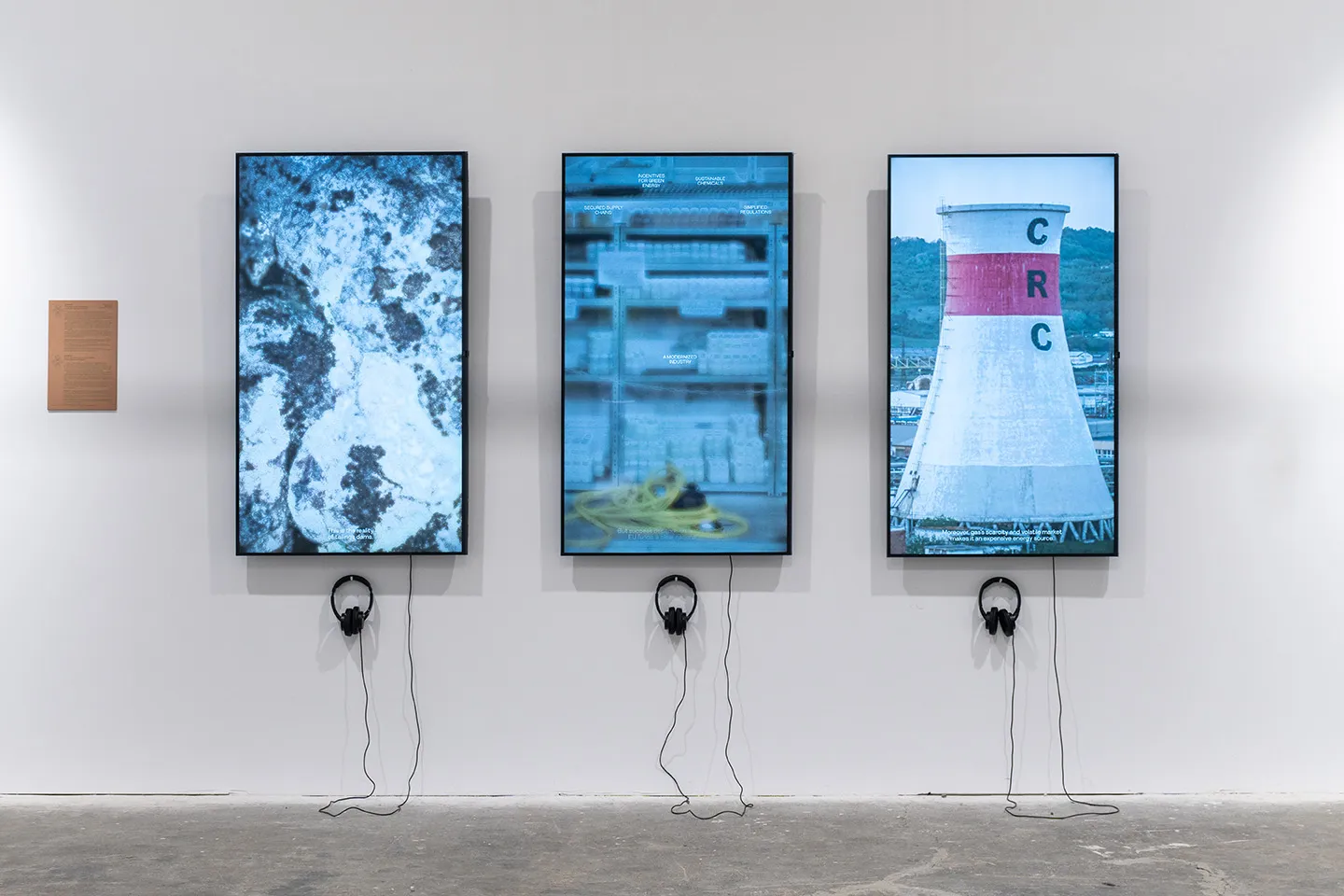
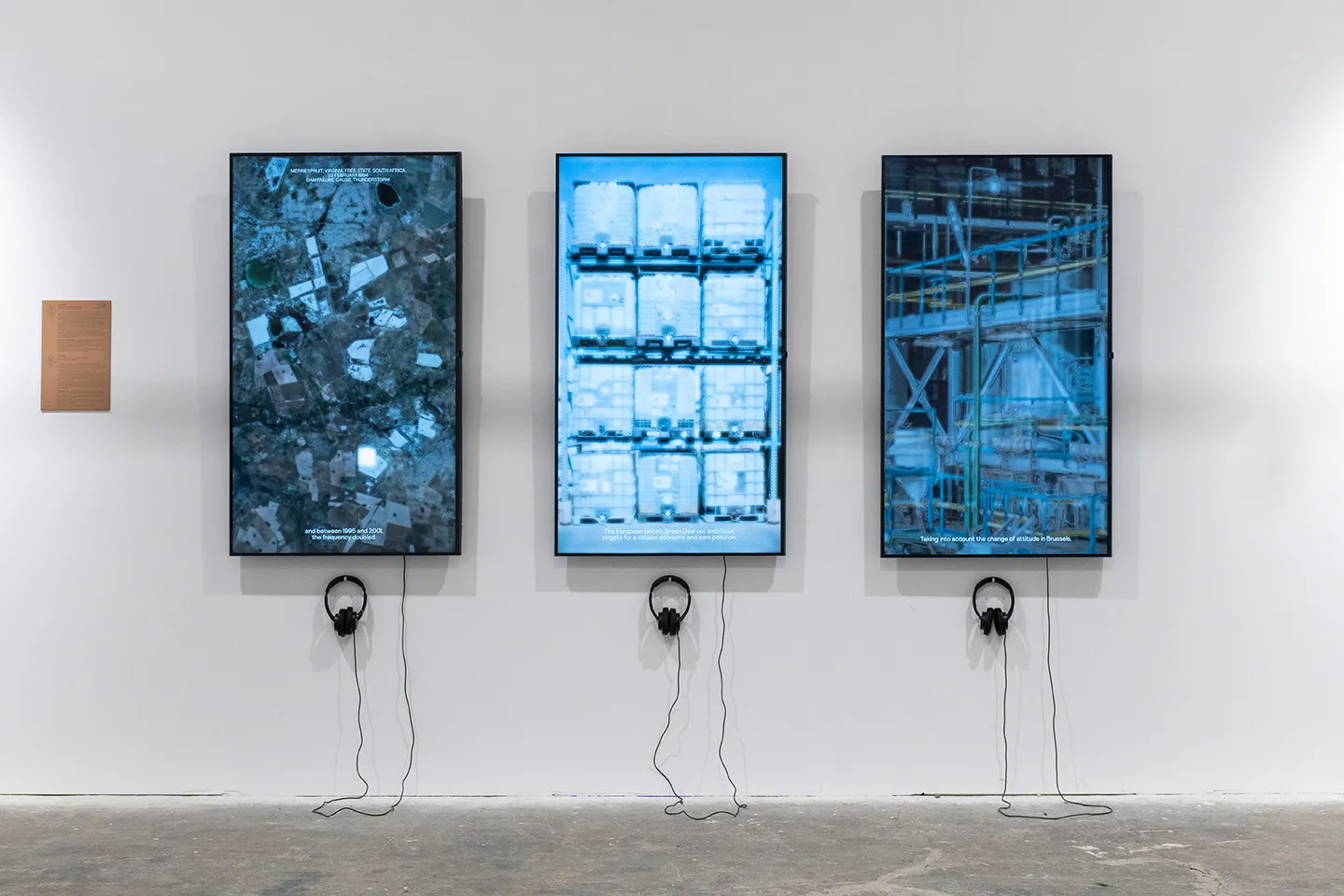
Zoom In: Green Transition and local realities in the chemical industry offers a journalistic inquiry into the complex landscape of environmental transformation in Romania’s chemical industry, developed by journalists Patricia Cîrtog and Marian Ignat with the visual designer Susanna Tomassini. The project presents three video essays that merge investigative text with visual narratives, using found footage, archival material, and original photography to dissect the tensions between policy, industry, and ecology.
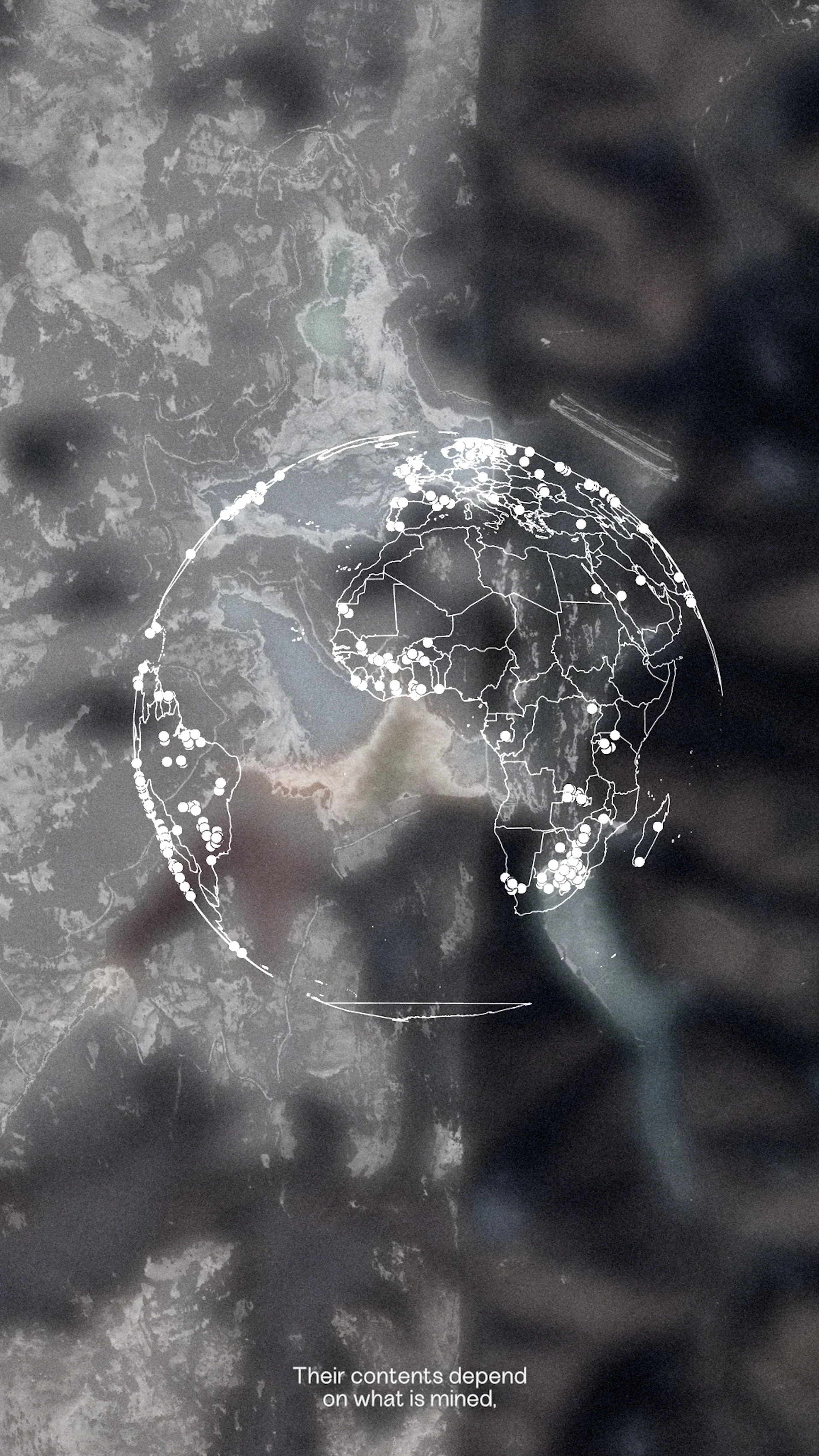
Each case study examines a pivotal chemical actor: Brenntag, a distributor navigating the gap between EU sustainability goals and local market realities; CupruMin, a state-owned mine whose expansion highlights the environmental cost of strategic raw material extraction; and Chimcomplex, a petrochemical giant balancing their need to remain competitive in an age of modernization with their responsibility to radically reduce emissions.
These visual essays move beyond simple reportage to question the very materiality of transition—documenting the infrastructural delays, economic pressures, and regulatory ambiguities that define the pace of industrial change. The work exposes the contested ground where global climate ambitions and the deepening need for climate justice meets local chemical realities.
1/2
2/2
Brenntag SA
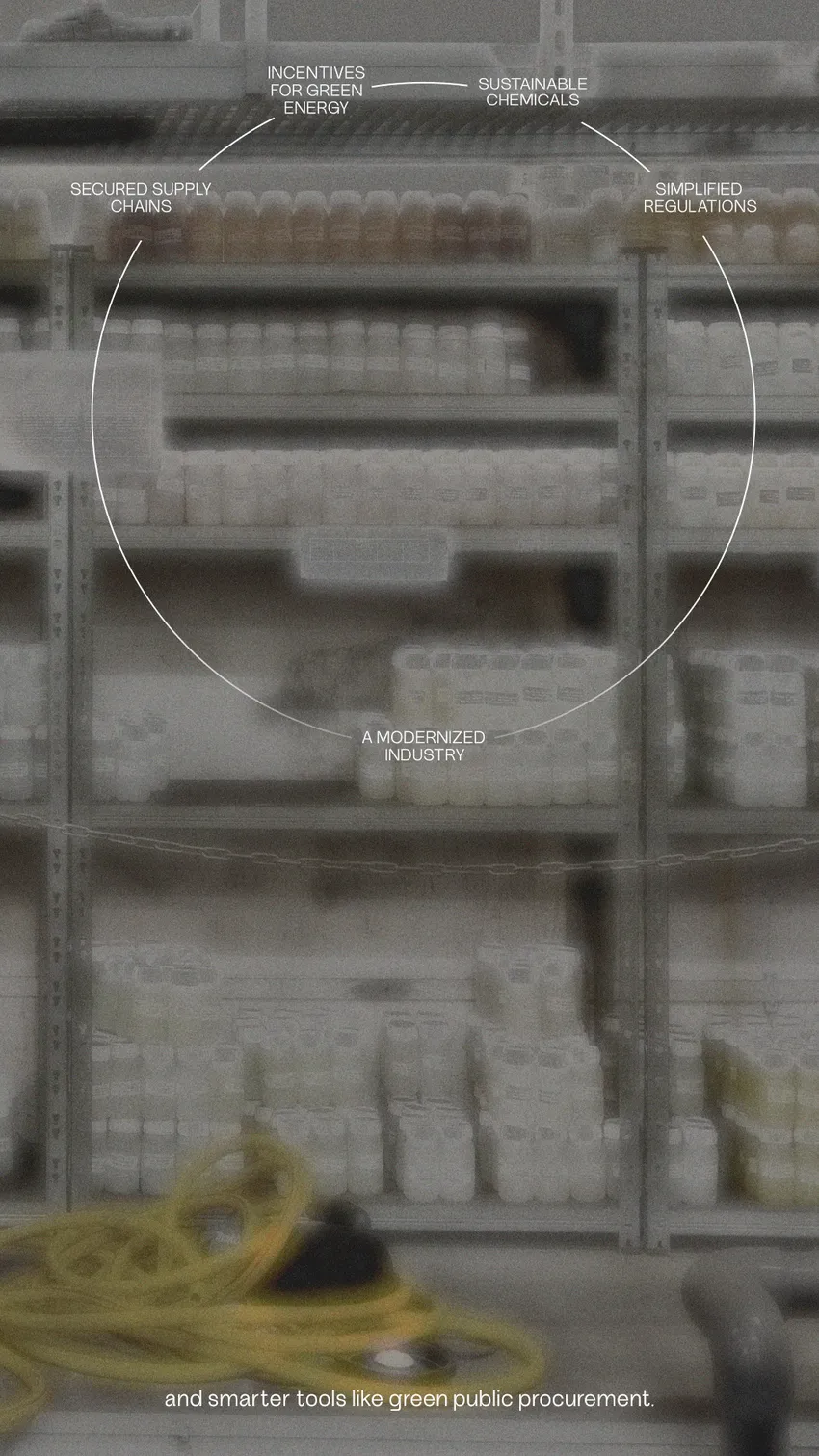
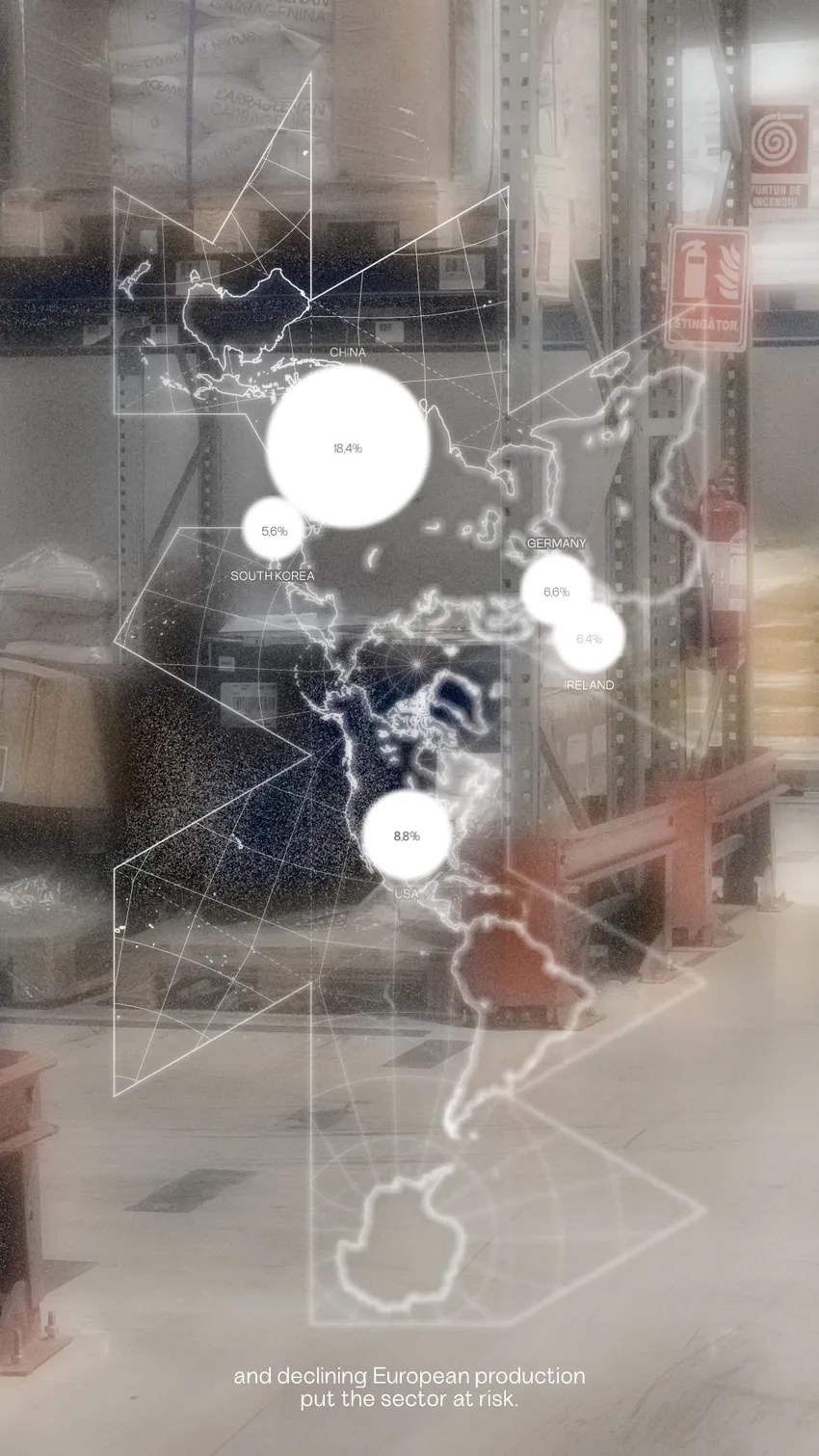
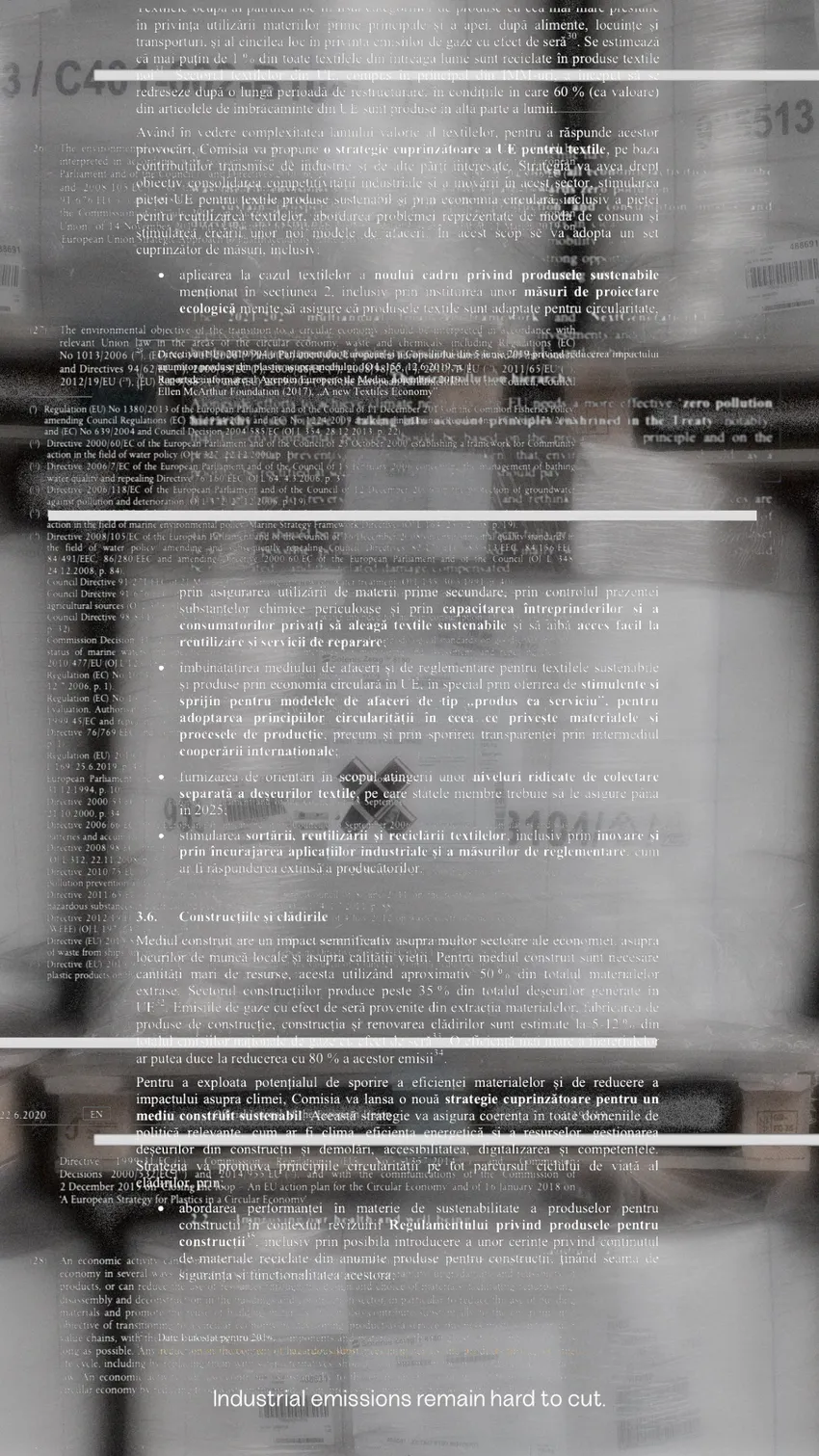
Brenntag sits at the crossroads of Europe’s green ambitions and local hurdles. It is a chemical distribution company with 25 years of experience in Romania and over 150 years of existence. The European Union’s Green Deal has set environmental targets for the chemical industry, one of the biggest polluters worldwide. But Romania’s price-driven market, weak infrastructure, and patchy enforcement of regulations slow down progress. At its Chiajna site near Bucharest, Brenntag pushes sustainability through returnable packaging, carbon-tracking tools, and community projects. Yet, convincing clients to pay more for greener products remains a major challenge. Broader systemic issues – outdated railways, “lowest price” public procurement, and limited state incentives – make decarbonisation even harder. EU funds could help, but their impact depends on how Romania uses them. A new EU plan launched in 2025 aims to rescue the struggling chemical sector with cheaper green energy, innovation incentives, and lighter regulations. Brenntag’s story highlights the gap between Europe’s climate vision and the reality on the ground.
1/2
2/2
Cuprumin SA
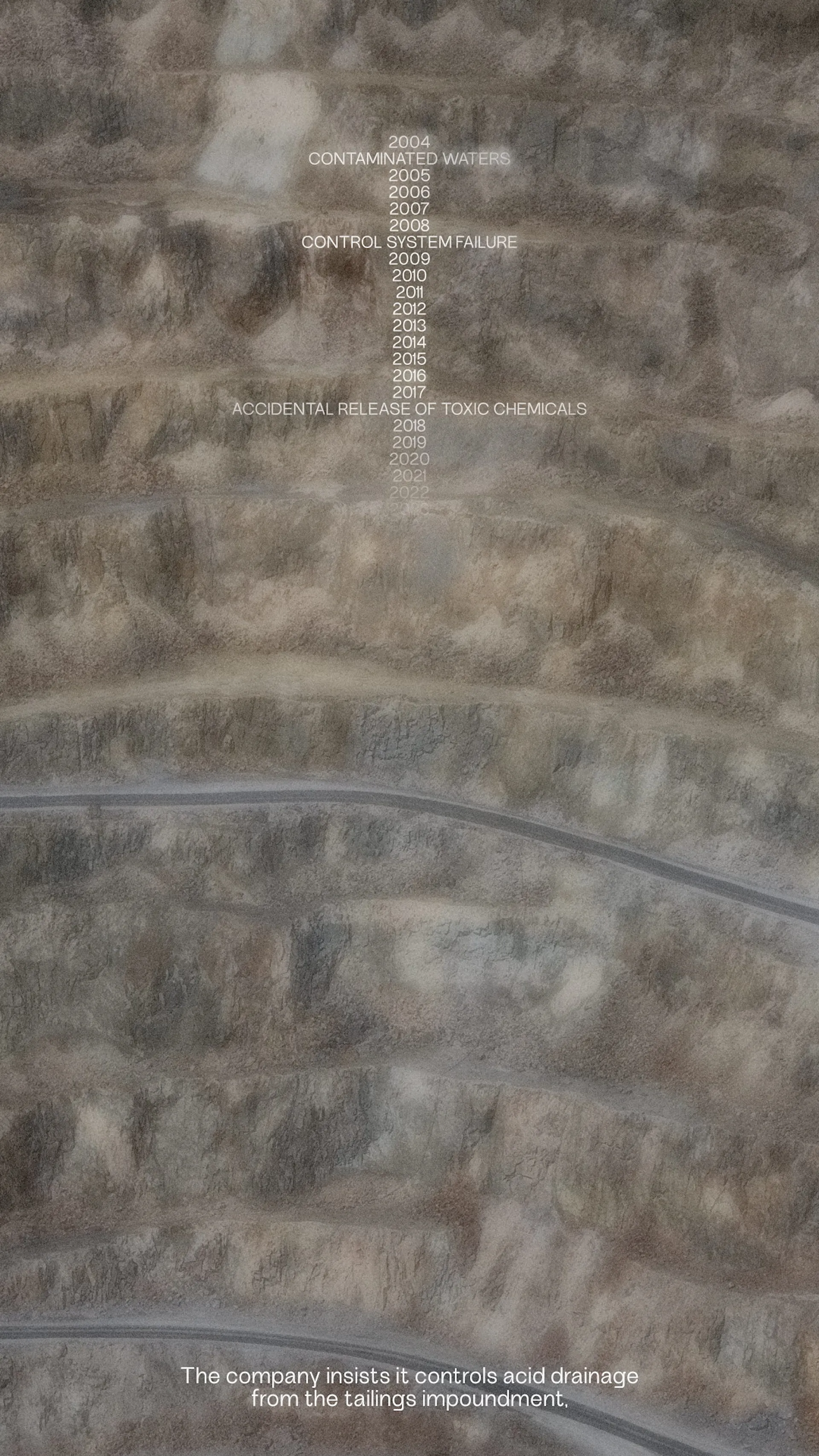
Roșia Poieni symbolizes the clash between resource demand and environmental costs. It is Europe’s second-largest copper mine, managed by state-owned CupruMin. The open-pit mine in Romania’s Apuseni Mountains blasts 14,000 tonnes of rock daily, shipping copper concentrates mainly to China while leaving toxic waste behind. Entire villages like Geamăna were submerged under tailings, and repeated spills have poisoned rivers, killing fish as far as 80 kilometers downstream. Despite evidence of land instability and long-term ecological decline, accidents have brought only token fines. With the EU labeling copper a “strategic raw material” for the green transition, pressure to expand domestic mining grows – but Romania lacks smelting capacity, exporting value while retaining pollution. Roșia Poieni is both a cautionary story and a test of whether mining can ever align with environmental justice.
1/2

2/2
Chimcomplex SA
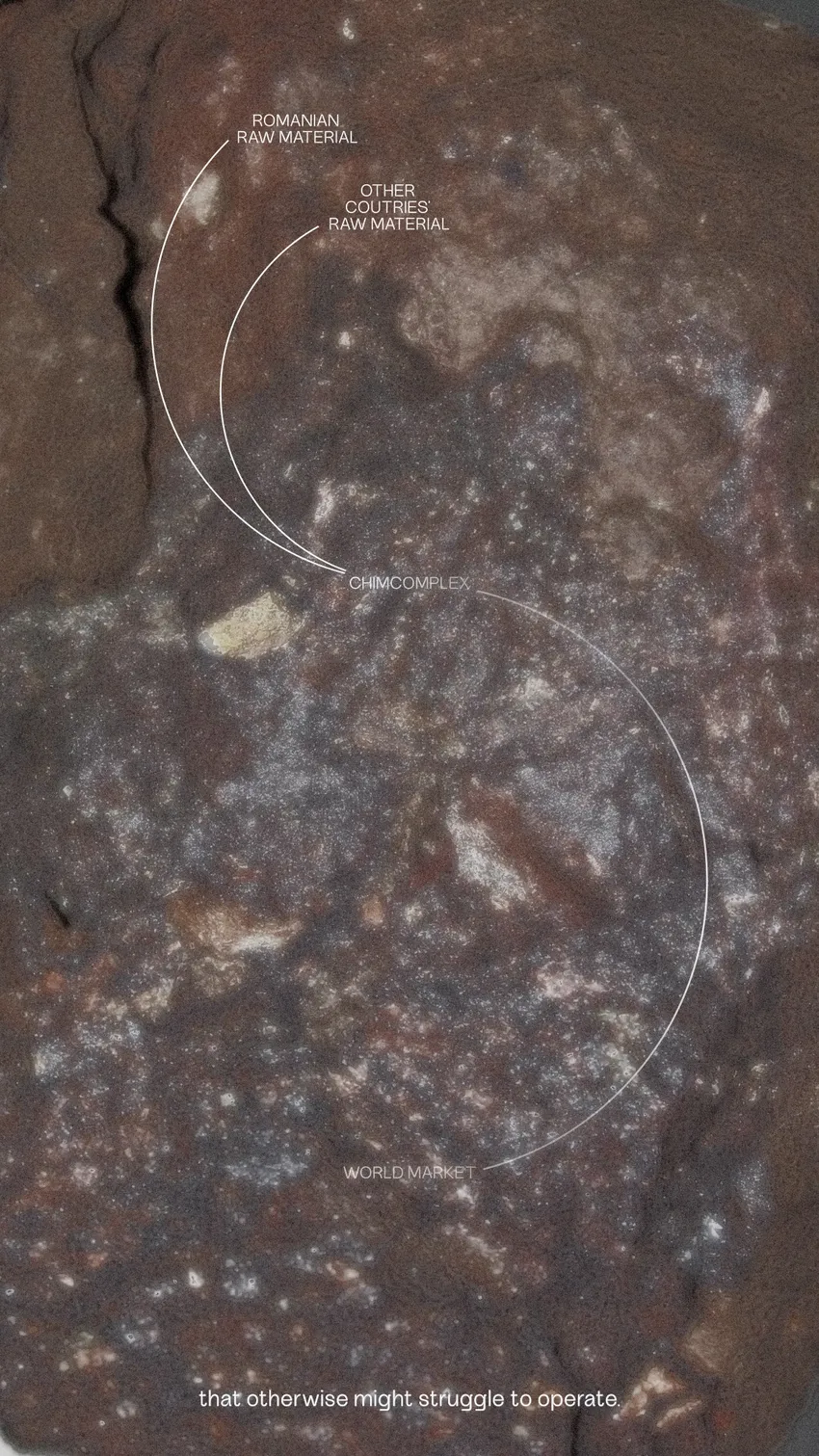
Chimcomplex has resisted regime change and proved its success. Can it hold up during the green transition too? Built during the communist regime in ‘the citadel of Romanian petrochemistry’, in Onești, Chimcomplex has survived the transition years and maintained its status as one of the largest chemical plants in Romania up to this day. Hundreds of millions of euros have flown into privatisation, modernisation and expansion, most recently by acquiring Oltchim. But with market power comes environmental and social responsibility. Chimcomplex’s activities are equivalent to one of a medium-sized city in Romania in terms of emissions. Transforming how they power their chemical plant was one of the main measures to bring down emissions and improve efficiency. But the green transition clock is ticking. In a constantly changing political environment, where regulations are followed by simplifications, and the race to net zero increasingly more competitive and hostile, this story reflects the broader challenges of industrial transformation during the climate crisis.
Credits
Voiceover: Christine Cizmaș
With contributions by: Raluca Pintea (HSE Manager, Brenntag România)